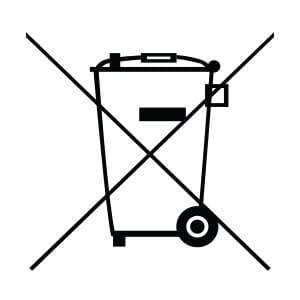
 Household batteries, or residential batteries, are single-use batteries commonly used for toys, flashlights, and TV remotes. They must be separated from the trash and recycling to either be collected by your waste hauler (depending on where you live), or dropped off at participating locations. They are typically labeled 9V, AA, AAA, C, D, and button or hearing aid batteries. Some of these batteries may contain lithium, as it is now a common replacement for alkaline, but they are still single-use and different than lithium-ion (rechargeable).
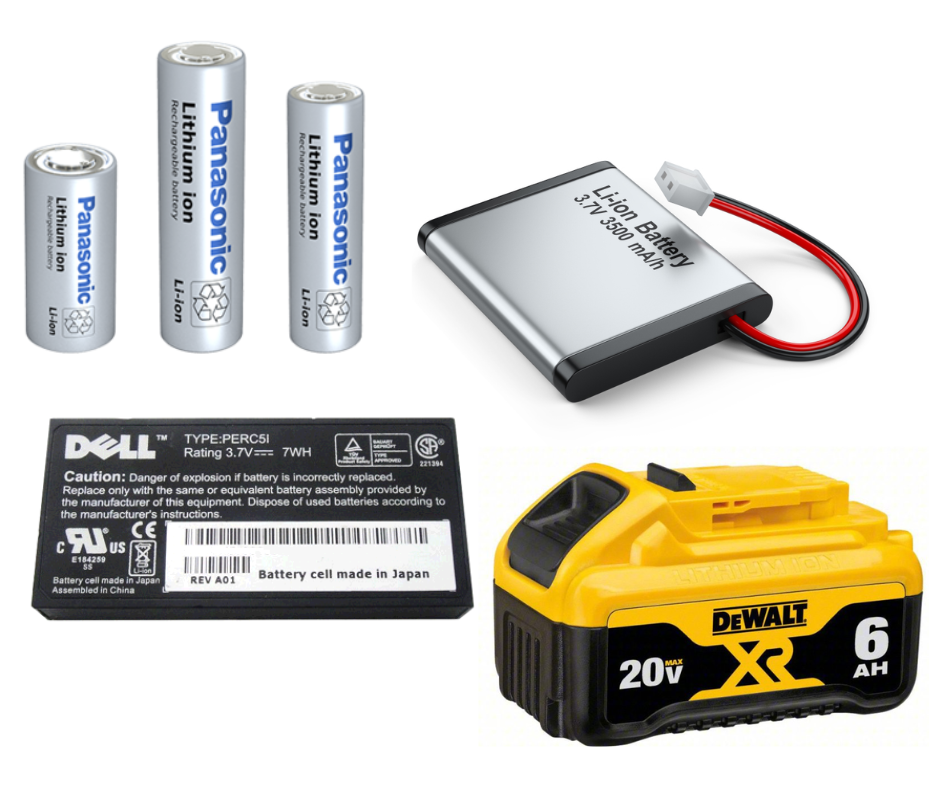 Commonly found in rechargeable devices such as power tools, smart watches, tablet devices, cell phones, Bluetooth devices, smoke detectors, game controllers, TV remotes, laptops or computers, e-bikes, e-scooters, electric toothbrushes, hoverboards & scooters.
Lithium Ion batteries and other larger e-batteries are not accepted for curbside pick-up nor at most drop-off locations, and must be brought to our Household Hazardous Waste facility on 1104 Madison Lane or participating retailers like Home Depot or Best Buy.
*Vaping devices are not accepted curbside (in the trash, recycling or in curbside battery collection programs) or at our HHW facility. Please contact the manufacture for disposal options.
Recycling used lithium-ion batteries (Li) and the devices that contain them is crucial for addressing issues related to the clean energy transition and preventing problems caused by improper battery disposal. End-of-life lithium-ion batteries contain valuable critical minerals needed to produce new batteries. Clean energy technologies, such as renewable energy storage systems and electric vehicle batteries, will require large amounts of these minerals, and recycling used lithium-ion batteries can help meet that demand.
Lithium-ion batteries from your home or workplace, such as those in cell phones and laptops, constitute a significant portion of the batteries sent for recycling. Ensuring these smaller lithium-ion batteries are collected and recycled supports the growing battery recycling industry in the U.S.
When lithium-ion batteries are crushed or smashed in garbage or recycling trucks, they can explode and cause fires. Recycling these batteries keeps them out of household garbage and recycling systems, preventing them from endangering workers and local communities.
Learn more at EPA: Lithium-Ion Battery Recycling
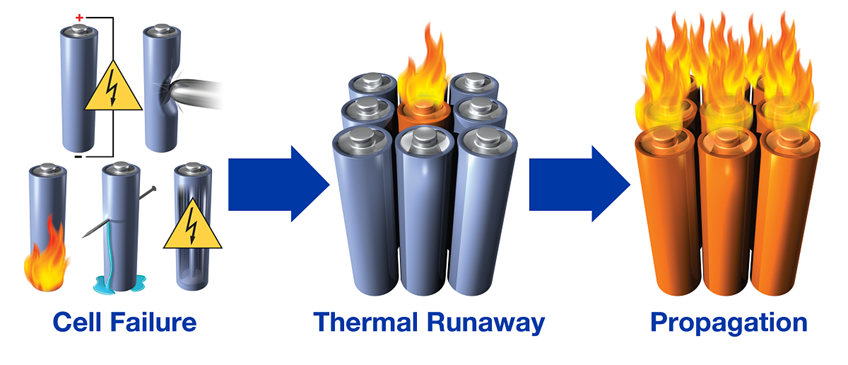
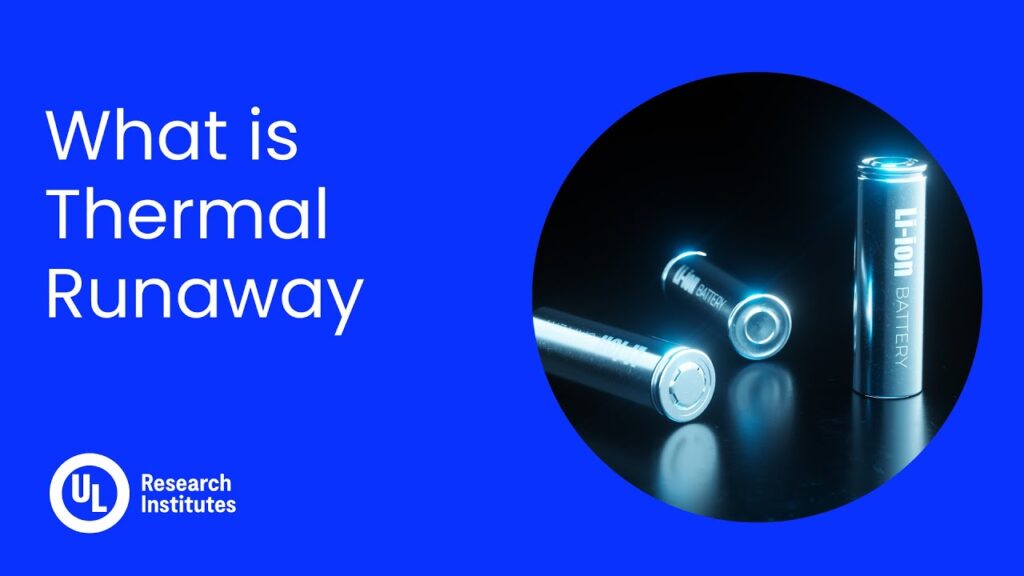
Lithium-ion batteries are dangerous when damaged because they contain chemicals and materials that can react violently if they’re exposed to air or water. When the battery casing gets punctured or crushed, these reactive materials can come into contact with each other, causing a rapid increase in temperature, known as thermal runaway. This can lead to overheating, fires, or even explosions. Additionally, lithium-ion batteries may release toxic gases when damaged, posing health risks to anyone nearby. So, even though they power many of our devices, mishandling or damaging lithium-ion batteries can be really dangerous.
Thermal runaway happens when something gets too hot, and this extra heat makes it heat up even more. It’s like a snowball effect, where the heat keeps increasing until something breaks or catches fire.
What thermal runaway looks like in a group of battery cells:
Click here to watch a simple video on thermal runaway.


1) Place 9V, AA, AAA, C, D, and button or hearing aid batteries in a clear zip-top plastic bag
2) Place the bag ON TOP of the lid of your BLUE mixed recycling cart on your regular trash collection day
3) Our driver will pick up the bag and deliver it to a collection facility for recycling.
Do NOT include any other type/size of battery (these can be recycled at our annual cleanup events or at drop off locations below)
Do NOT place bag inside of the recycling cart (this is very dangerous and can be hazardous to our recycling staff!)
Do NOT include any other type of item in the bag