Recycle and Compost Right in Salinas Valley
Learn what belongs in your recycling and green carts — and why certain items do not belong. Following these simple guidelines helps keep our community clean, reduces contamination, and ensures more materials are properly recycled or composted.
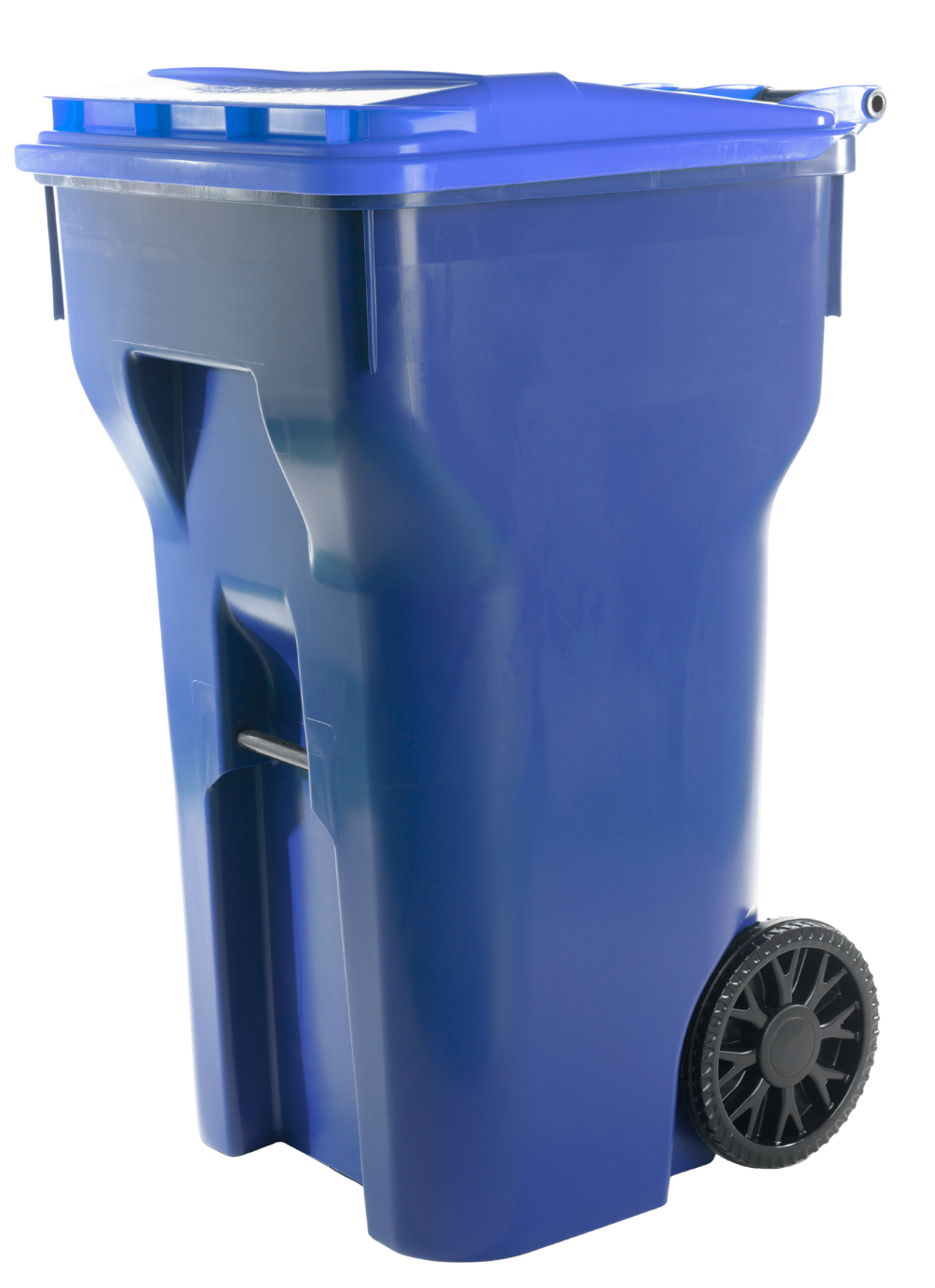
Blue Cart Guidelines: Recycling
Accepted Items
Put these in your Blue Cart
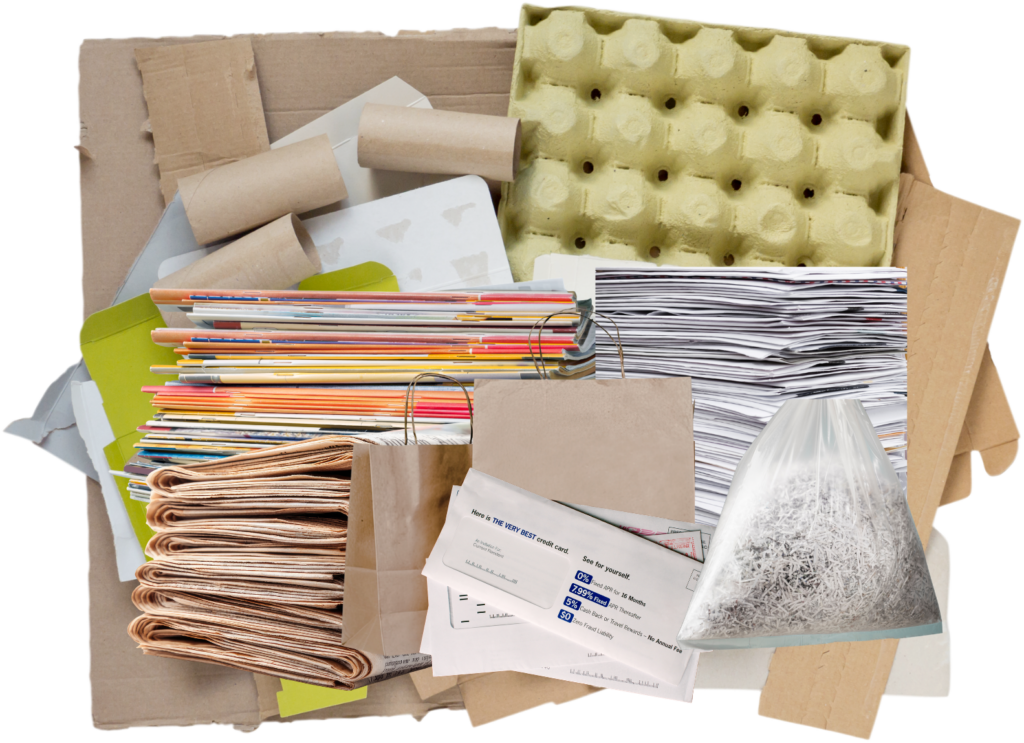
Dry Paper & Dry Cardboard
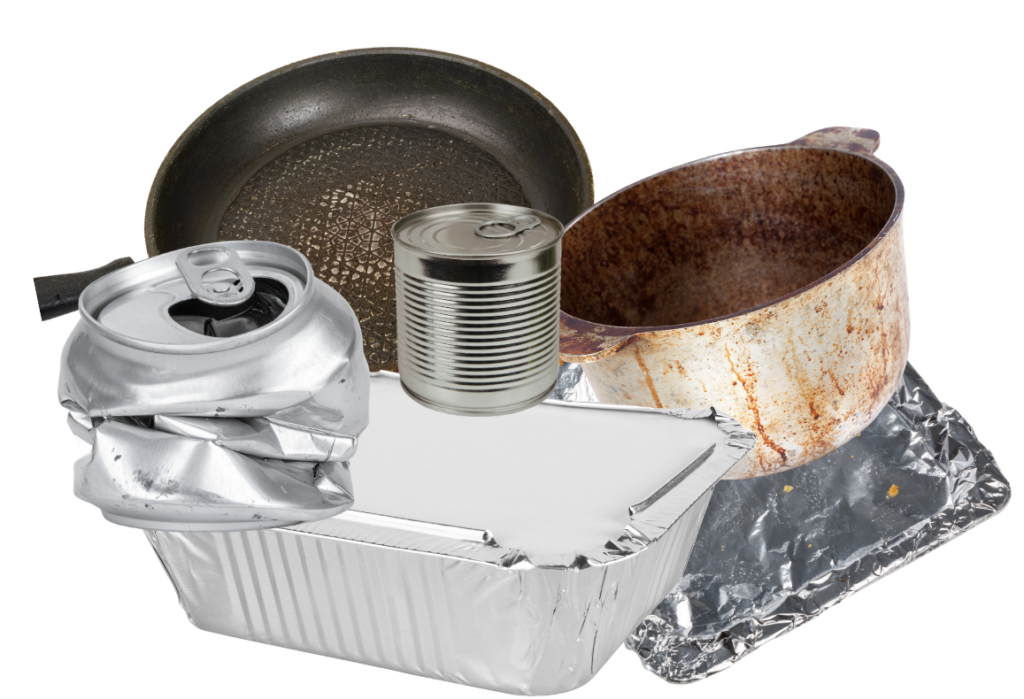
Metal
Metal
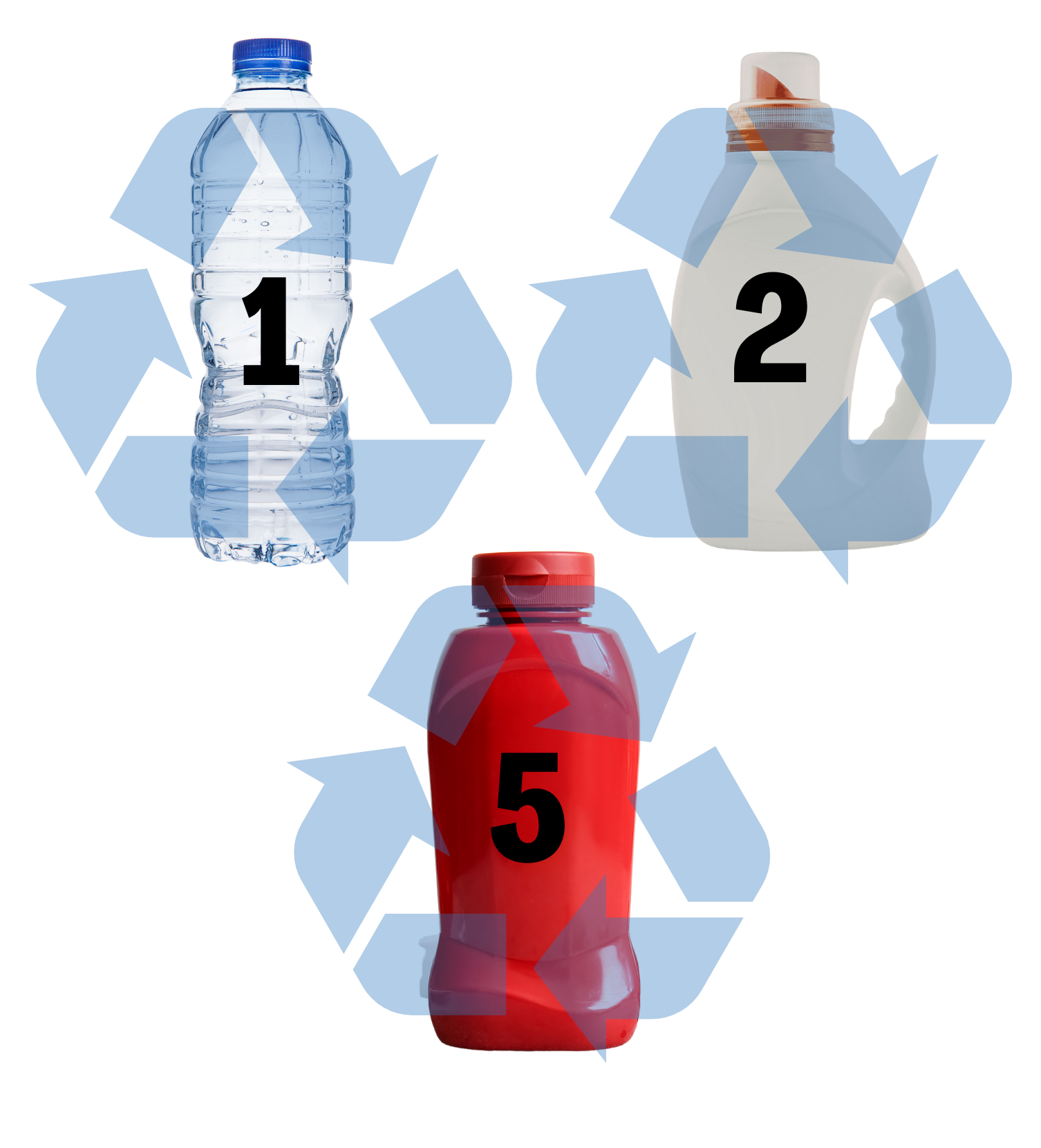
Plastics
Plastics
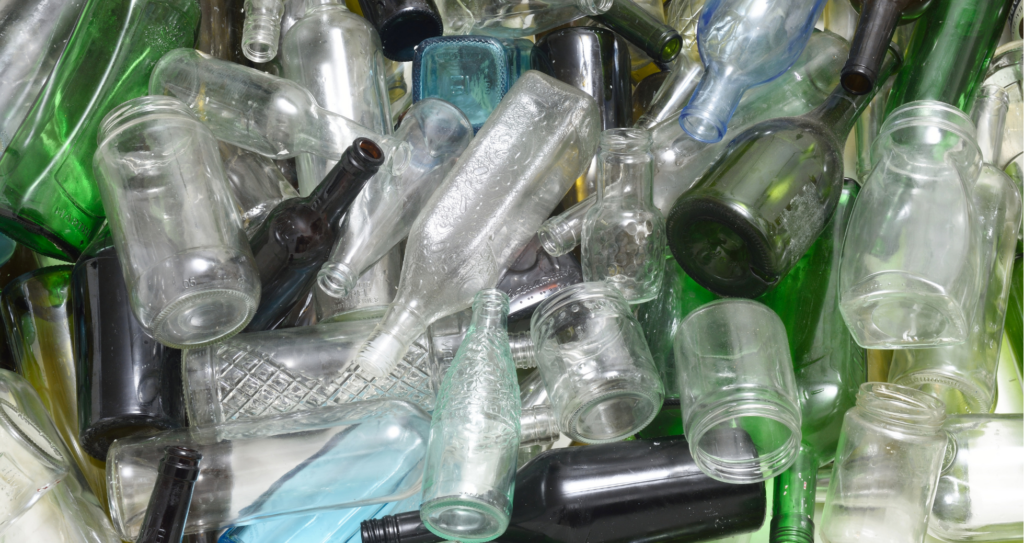
Glass
Glass
Tips:
- Keep materials loose — do not bag recyclables.
- Flatten cardboard boxes.
- Empty food and beverage containers (spatula clean or wiped clean – washing not required).
- Recycle shredded paper in a clear, sealed bag.
- Keep lids on bottles and containers.
Avoid “Wish-Cycling”
“Wish-cycling” means putting items in the recycling (blue) cart hoping they’re recyclable—even when they’re not. This can contaminate good recyclables, damage equipment, and create safety risks.
Keep these OUT of your blue cart:
- Small loose items (caps, straws, pens) — too small to be sorted; they fall through the equipment
- Contaminated paper (excessively greasy pizza boxes, paper plates, napkins) — food-soiled paper can ruin entire batches
- Non-recyclable plastics (plastic bags, Styrofoam, compostable plastics) — can jam machinery and aren’t accepted in recycling markets
- Liquids & food residue — contaminate otherwise recyclable materials
- Non-recyclable glass (ceramics, mirrors, window glass, Pyrex) — melt at different temperatures and contaminate glass recycling streams
- Hazardous items (batteries, electronics, paint) — require special handling and can harm workers and the environment
When in doubt, leave it out of the blue cart.
Green Cart Guidelines: Food Scraps & Yard Waste
Accepted Items
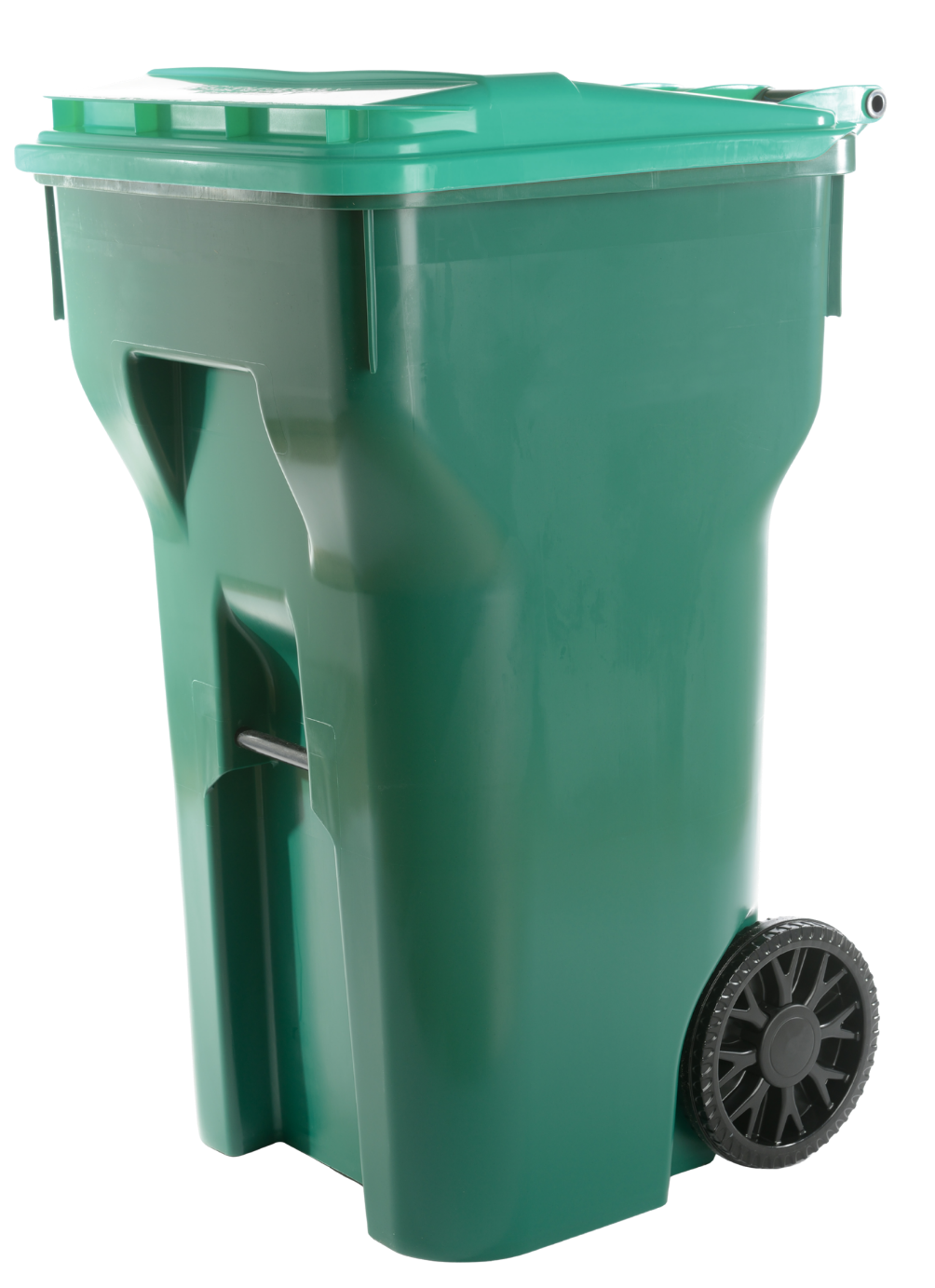
Put these in your Green Cart
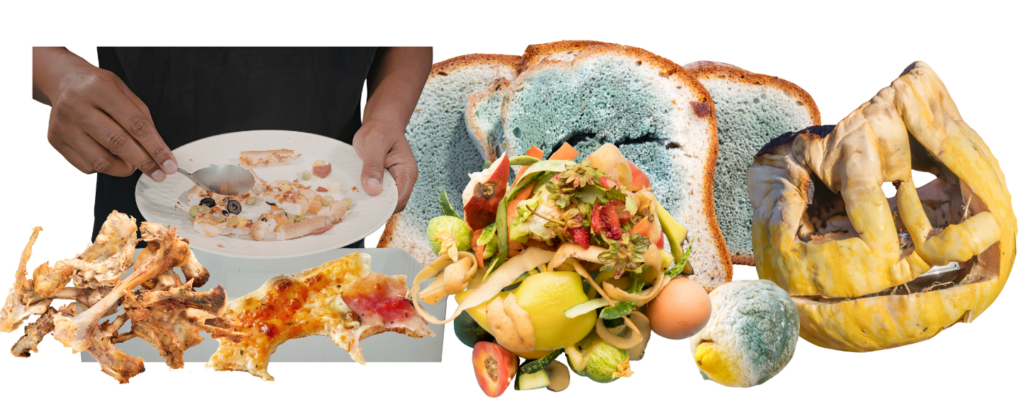
Food scraps
Food scraps
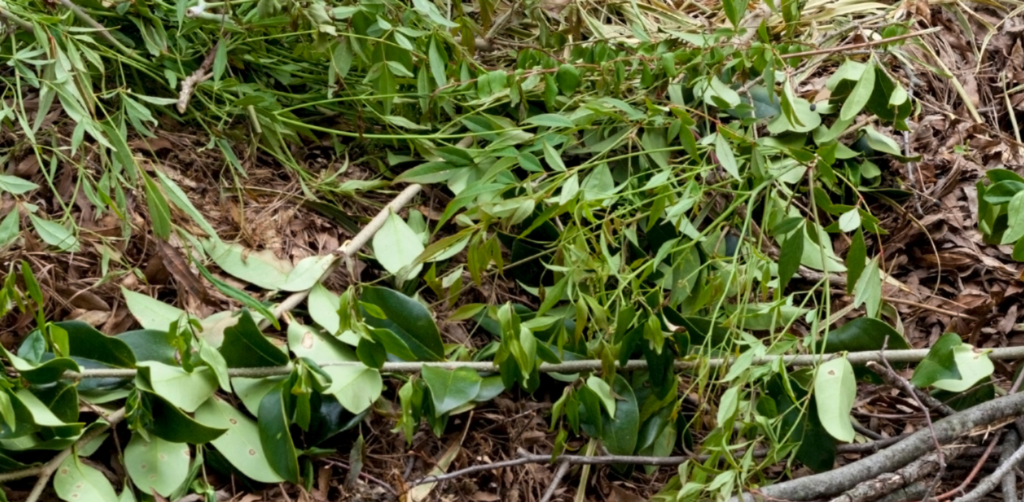
Yard waste
Yard waste
Tips:
- Always put items in loose, not in bags.
- Cover food scraps with yard waste to reduce odors.
- Sprinkle baking soda in the kitchen container and food and yard waste cart to reduce odors.
- Additional Storage. Keep a 5 gallon bucket with tight fitting lid by your green cart. Fill that with food scraps and empty it into the green cart before you wheel it out to the curb. This keeps your food scraps contained and sealed all week and will lessen flies and odor in your cart.
Avoid “Wish-Cycling”
“Wish-cycling” means putting items in the green cart hoping they’ll be composted—even when they don’t belong. This can contaminate finished compost, disrupt operations, and create safety risks.
Keep these OUT of your green cart:
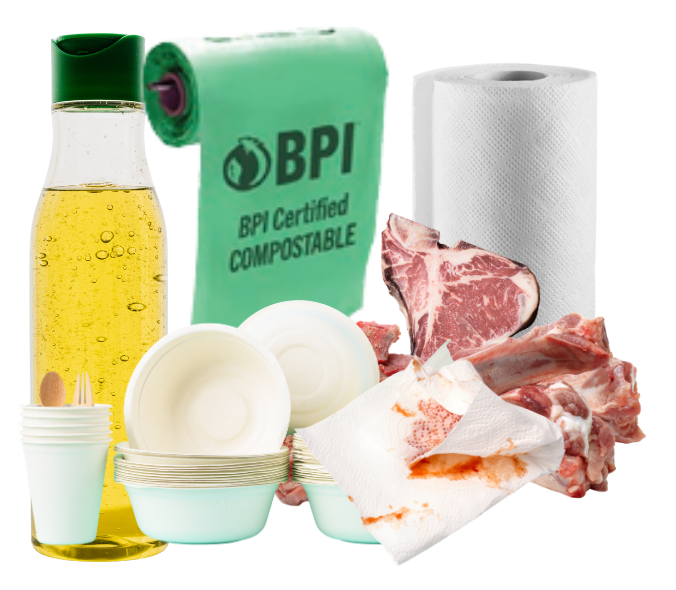
- Raw meat and raw bones — can cause odors, attract pests, and aren’t accepted in this composting process
- Compostable bags and foodware (plates, containers, utensils) — don’t break down fast enough in industrial systems and may have chemical contaminates
- Paper plates and napkins — often contain coatings or addatives that contaminate compost
- Dirty or waxed paper — can contaminate compost and won’t break down properly
- Excessive dirt and soil — adds weight (can break cart or damage trucks), reduces compost quality, and can interfere with processing
- Pet waste, diapers, and hazardous materials — pose health risks and must be disposed of separately
When in doubt, leave it out of the green cart.
Tips for success

Only Plastic # 1, 2, & 5 are recyclable in your Blue cart
Only plastics #1, #2, and #5 are recyclable curbside
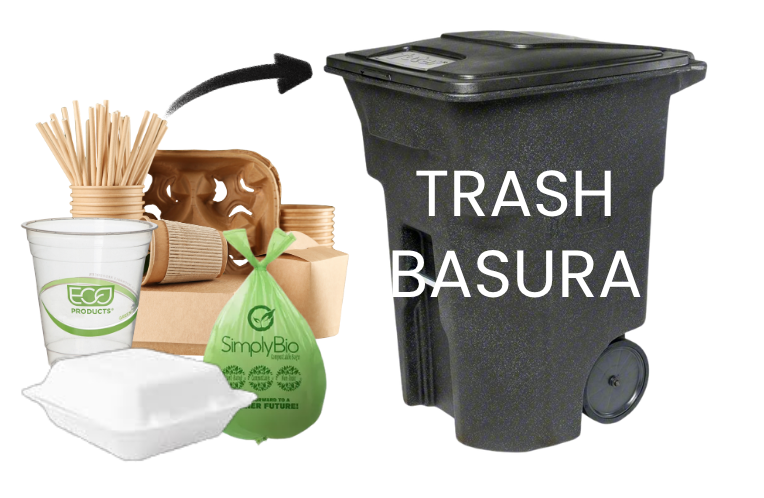
“Compostable” does not mean it can go in curbside organics
“Compostable” bags and containers go in the garbage cart. Click image above to find out more.
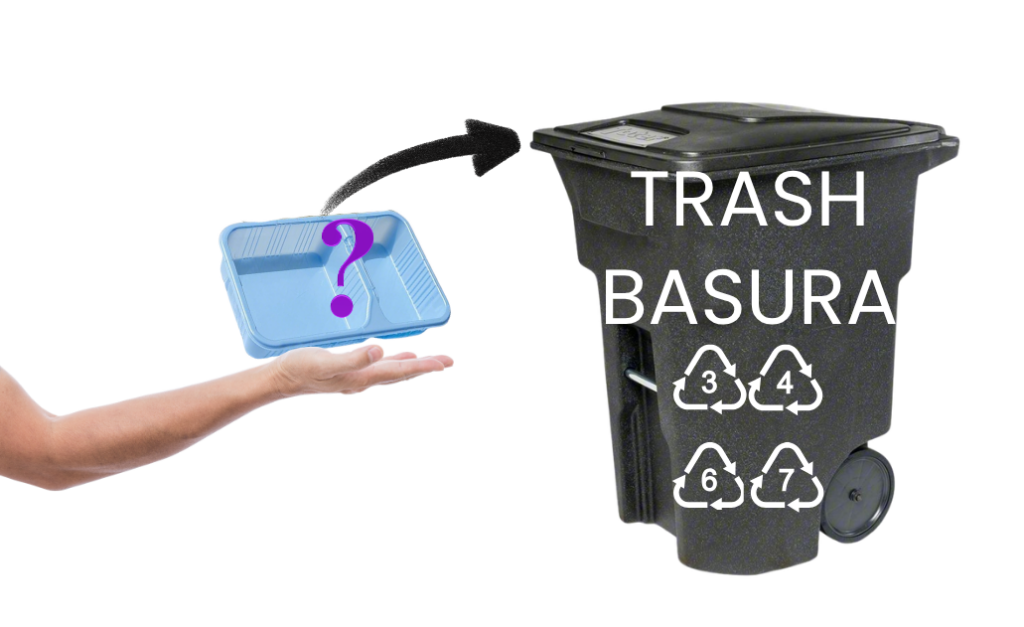
Unsure if it's Recyclable? Place in the Garbage
If you’re unsure, keep it out of the recycling and green carts.
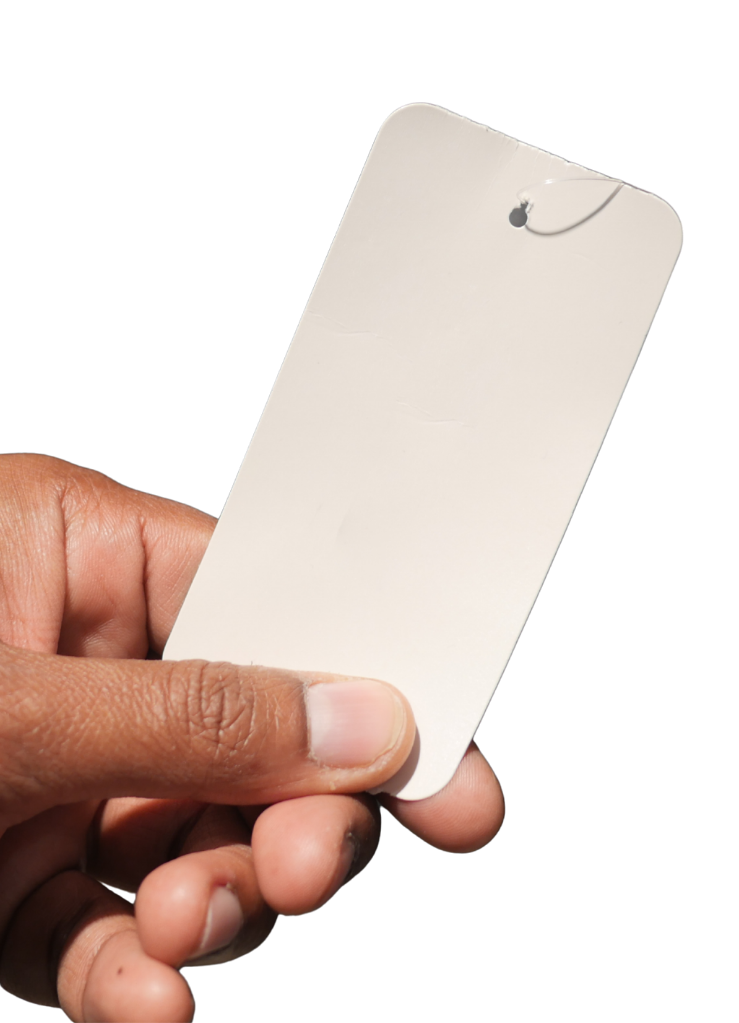
Too Small for Recycling? Place in the Garbage
If the item is smaller than 2"x2" it will likely fall through recycling screens.
Quick Reference Guide
Cart | Accepted (place these in the curbside cart) | Not Accepted |
Recycling | Clean paper, cardboard, metal cans, glass bottles/jars, plastics #1,2,5 *Black plastics- Only accepted by Tri-Cities and Monterey Disposal | Bags, Styrofoam, black plastics, small items, liquids, contaminated materials, hazardous waste |
Green Cart | Food scraps, yard waste | Plastic bags, compostable foodware, dirty paper, pet waste, hazardous waste |
Black/Gray Cart Guidelines: Garbage
These items do not belong in Blue carts (recycling) or Green carts (organics) and should always go in the garbage.
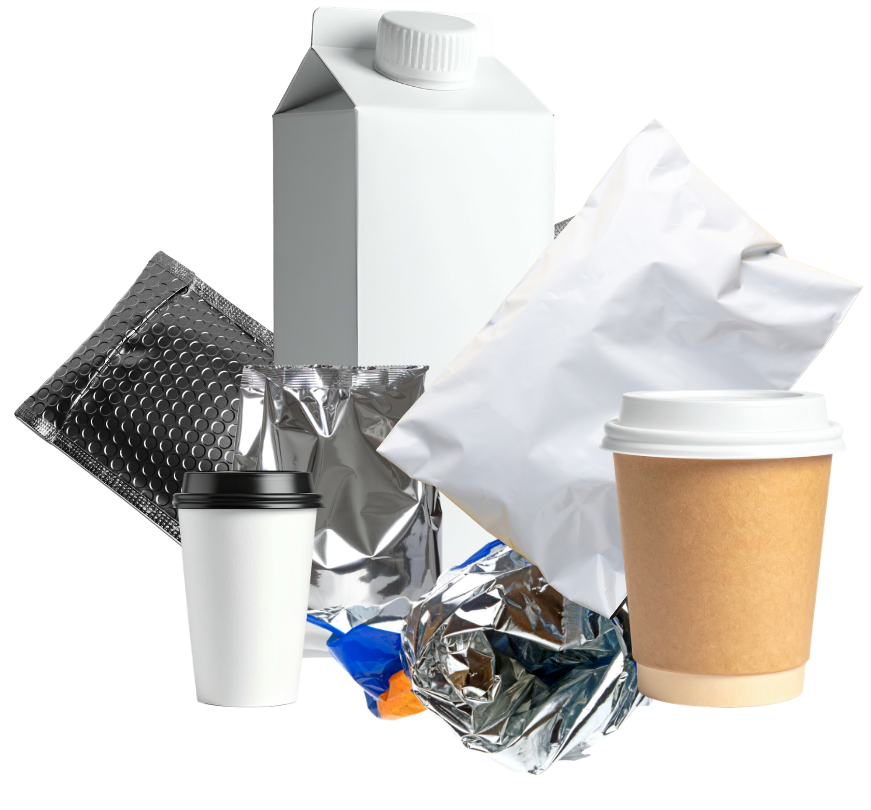
Mixed Materials & Non-Recyclable Packaging
These items use mixed materials or coatings that can’t be separated and contaminate recycling.
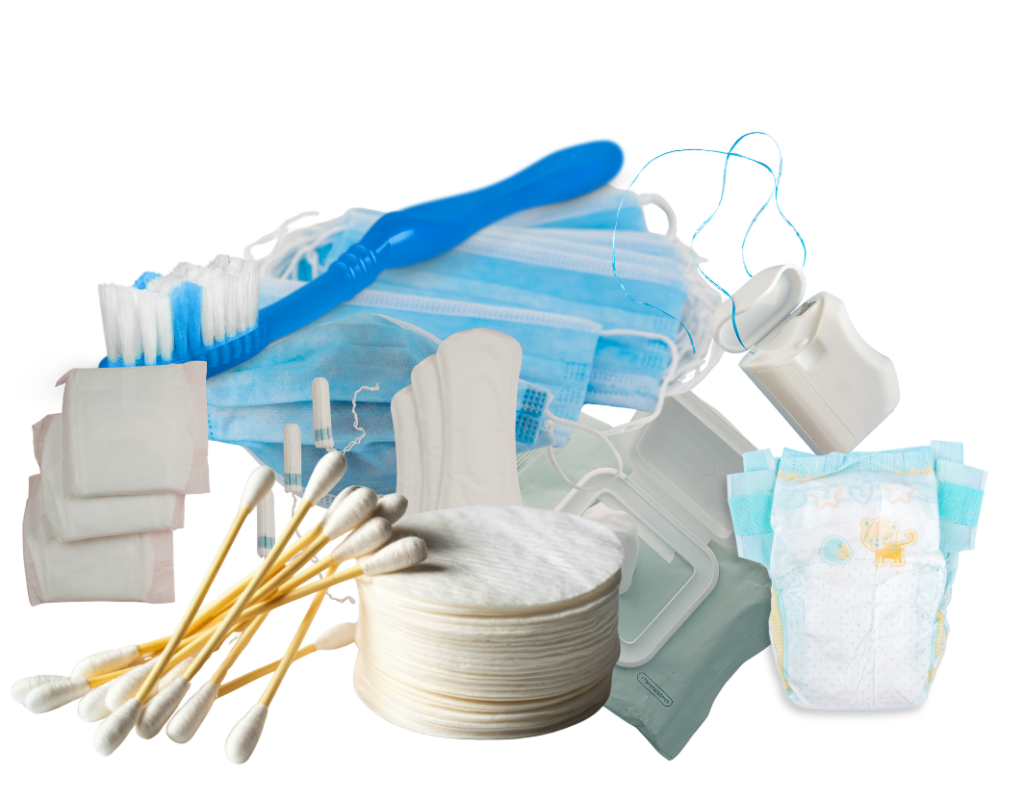
Personal & Hygiene Items
These items are contaminated and must be placed in the garbage.
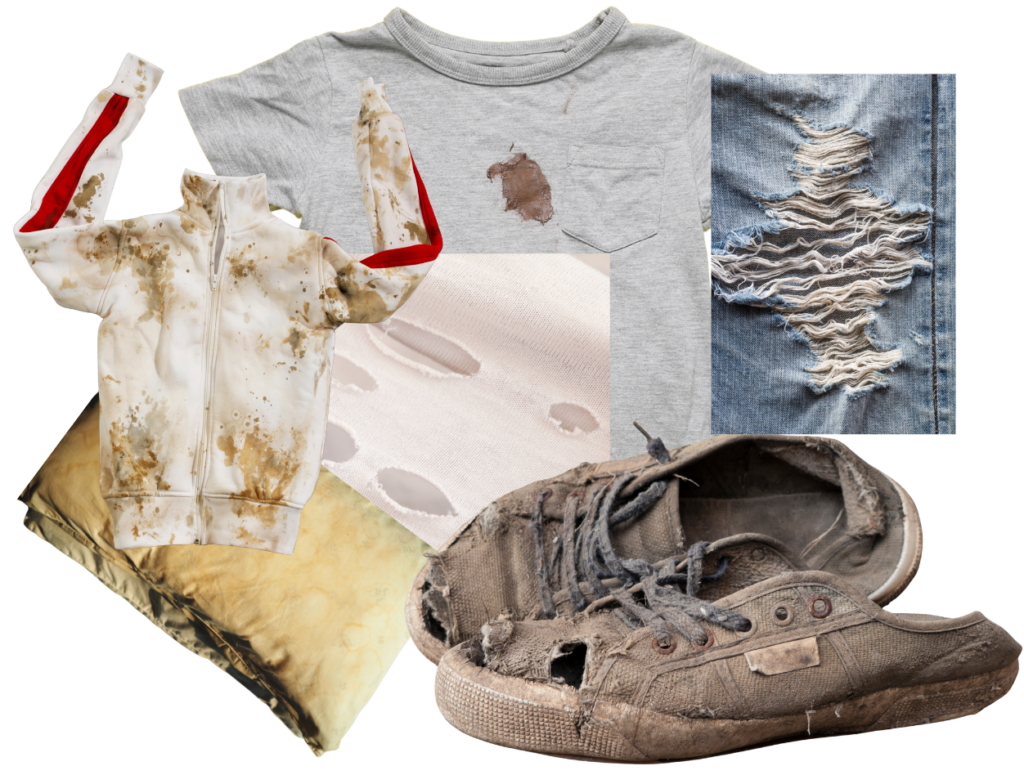
Unusable Textiles
If possible, always Donate first.
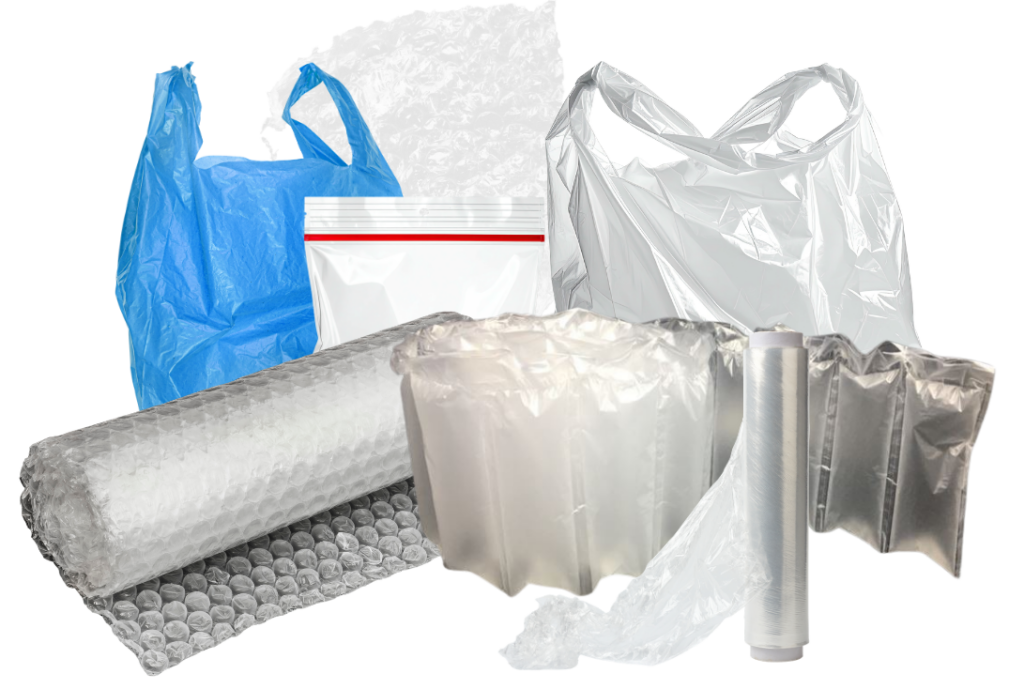
Plastic Bags & Film
Flexible plastics tangle sorting equipment and have limited markets for recycling.
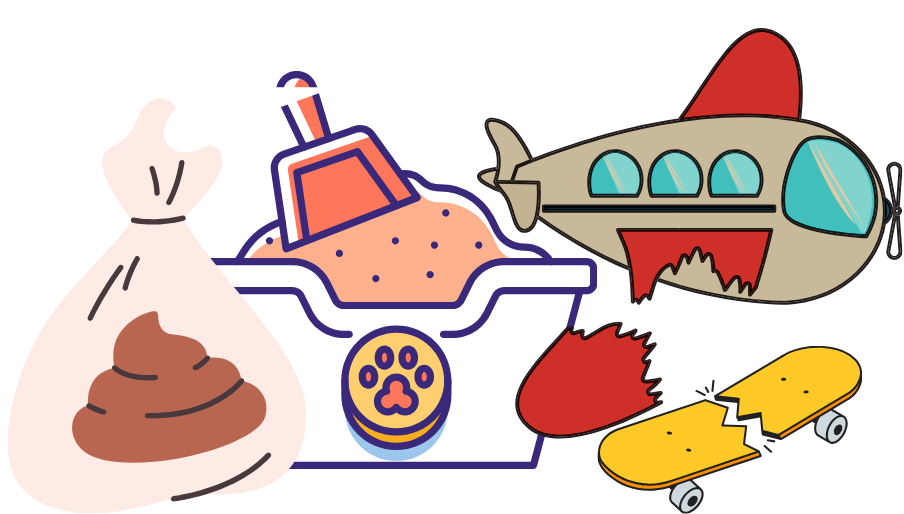
Pet & Household Waste
These contain contaminants, pathogens, or mixed materials that can’t be processed.
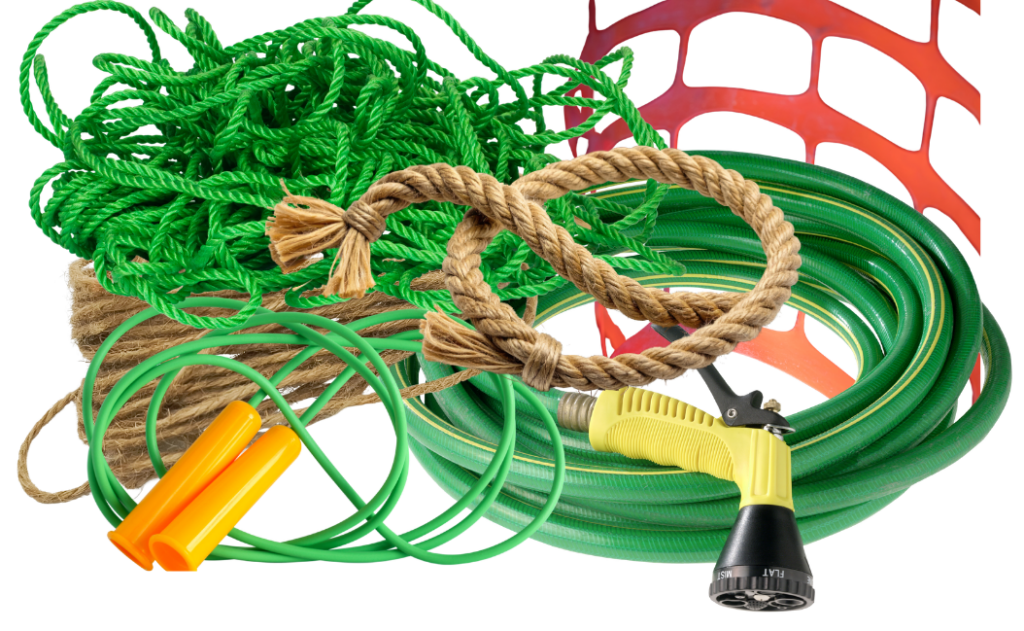
Tanglers
These items tangle recycling equipment and disrupt sorting operations and can't be recycled.
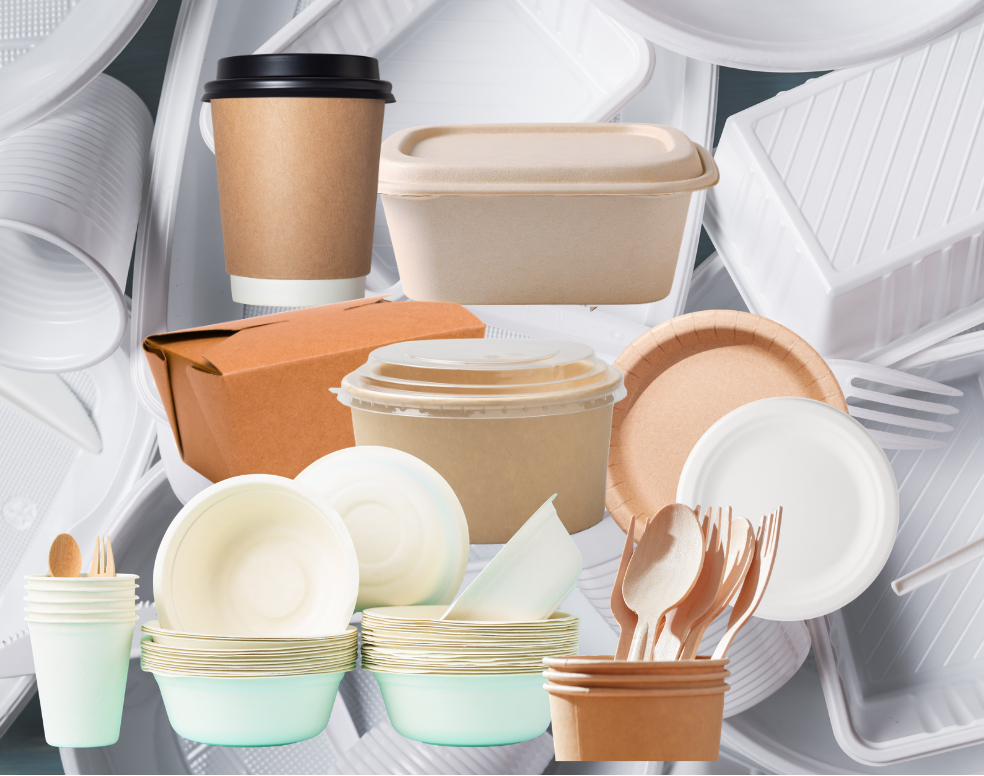
Disposable Foodware
These contaminate recycling and compost and must be placed in the garbage.
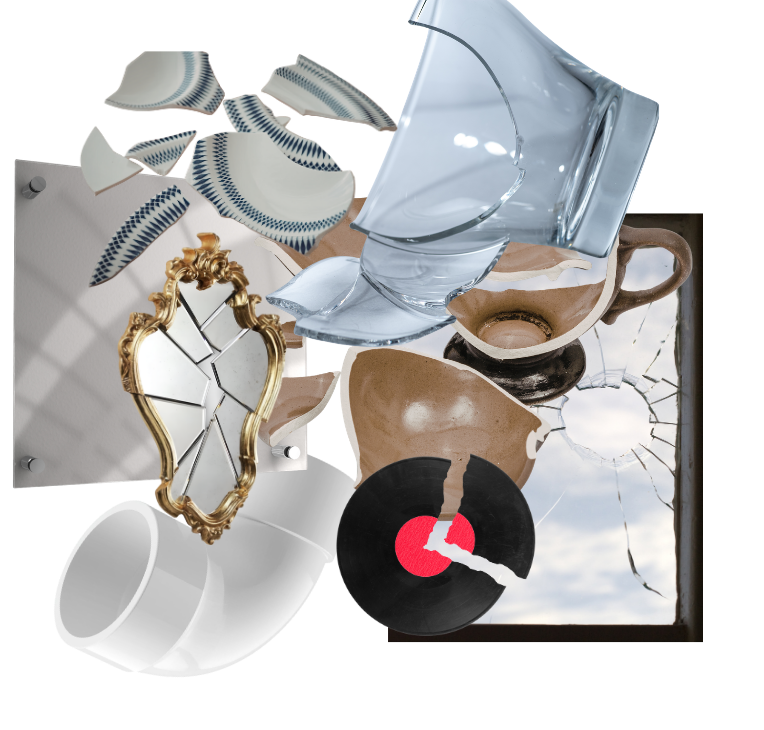
Broken or Non-Recyclable Materials
These materials contaminate recycling or have different properties that prevent processing.