Why can’t I put compostable products in the green cart?

Bioplastics and Fiber Ware are contamination in your green cart.​

Bioplastics and chemicals in fiber ware become contamination in compost.

Bioplastics are a type of plastic made from natural materials instead of the usual petroleum-based sources. These natural materials can include things like corn starch, sugarcane, and even potato starch. Currently, most bio-based plastics are still partially composed of fossil-fuel based plastics. Click here for more info.

Here’s a simple breakdown:

  1. Natural Sources: Unlike traditional, petroleum-based plastics, bioplastics are partially made from plants or other natural resources.

  2. Eco-Friendly Goals: They are designed to be more environmentally friendly. Some bioplastics are biodegradable, meaning they can break down more easily in the environment compared to regular plastics but usually not fully compostable. Most bioplastics still remain in the compost at the end of processing and must be screened out prior to the compost being sold.

In essence, bioplastics are a step in the right direction in replacing single-use-plastics but not the solution.

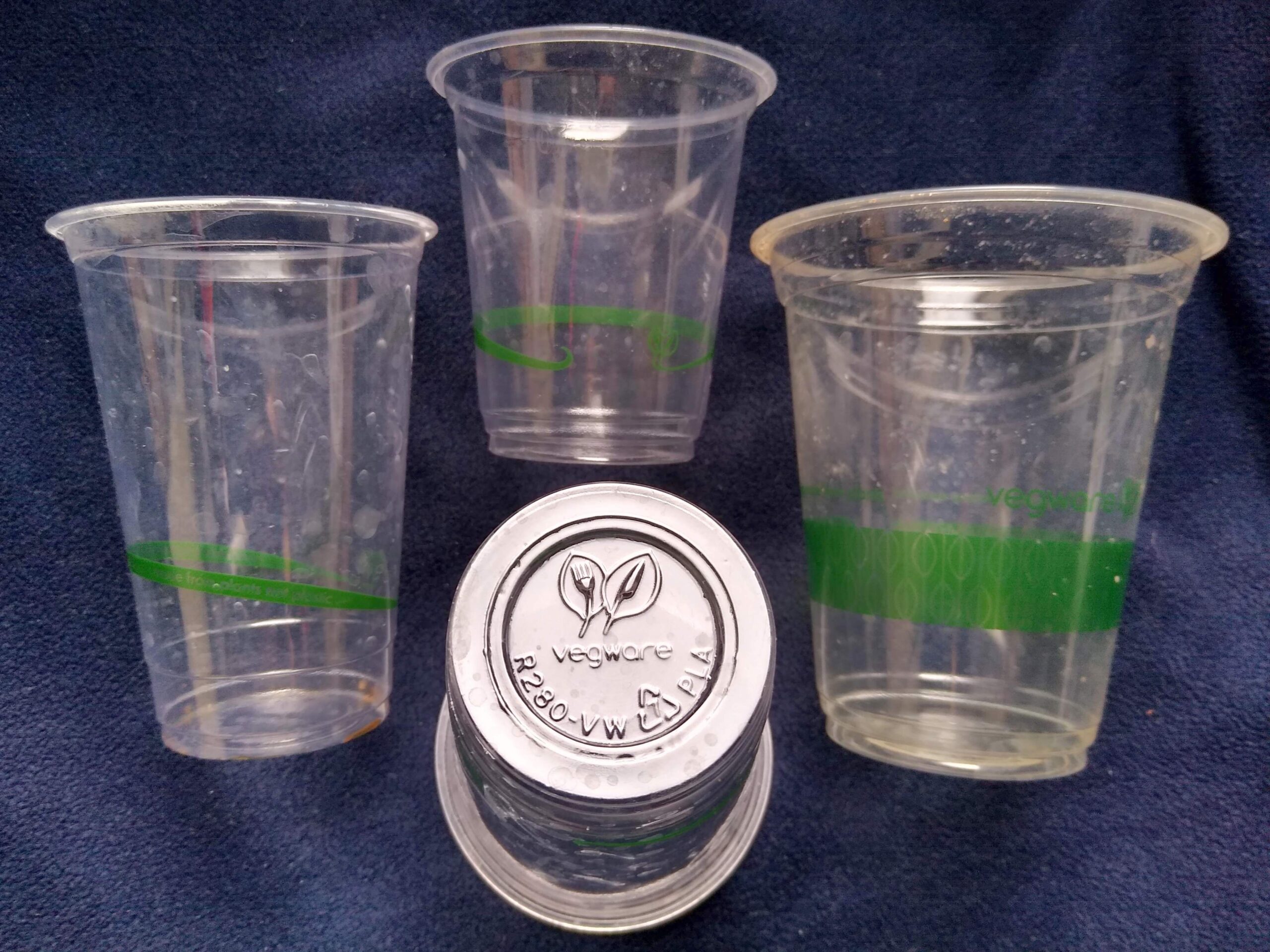
Example of some bioplastic products:
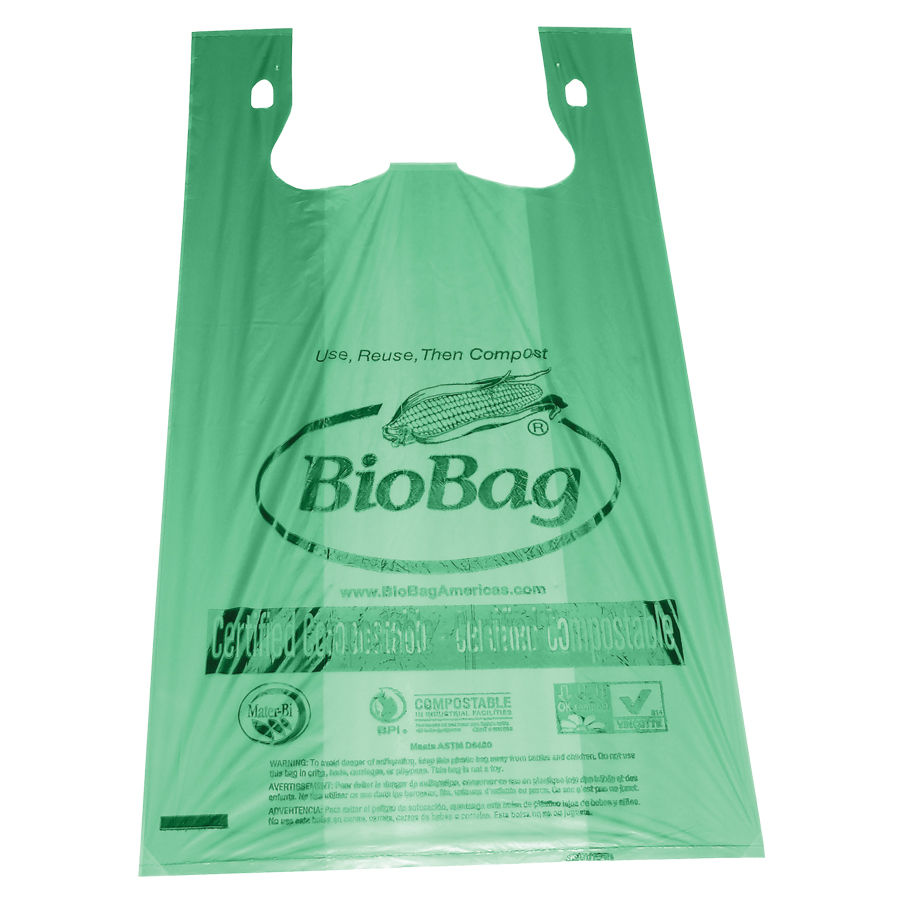

Bag made from bioplastic
Cmglee_PLA_cups

Fiber ware containers are eco-friendly take-out boxes made from natural plant materials like sugarcane, bamboo, or wheat straw. They are popular because they are not created from virgin plastics, making them a better choice for the environment.

How Fiber Ware Containers Are Made Water and Grease Resistant:

To handle oily or moist foods without leaking or getting soggy, fiber ware containers need to be water and grease resistant. This is typically achieved in two ways:

  1. Chemical Coating:

    • Human-made chemicals are used to create a barrier to prevent water and grease from soaking through the container.

    • How It Works: The chemicals are applied to the surface of the fiber ware, making it slick and resistant to liquids and oils.

    • Concerns: These chemicals do not break down easily in the environment and can accumulate over time, potentially causing health and environmental issues.

  2. Plastic Linings:

    • What Are Plastic Linings? A thin layer of plastic is sometimes added to the inside of the fiber ware container.

    • How It Works: The plastic lining provides a waterproof and grease-proof barrier, preventing the container from becoming soggy or leaking.

    • Concerns:While effective, plastic linings can negate some of the environmental benefits of using biodegradable materials because the plastic does not break down easily.

Why Water and Grease Resistance Is Important:

  • Keeps Food Secure: The resistance to water and grease ensures that the container holds up well, even with oily or saucy foods, preventing leaks and spills.

  • Maintains Container Integrity: This helps keep the container sturdy and prevents it from falling apart or becoming soggy when holding moist or greasy food items.

Fiber ware containers offer a sustainable option for food packaging by using natural materials. However, the methods used to make them water and grease resistant, including chemicals and plastic linings, come with their own set of environmental and health concerns.

Contamination in a green cart means non-compostable materials are mixed with compostable organic waste. Green carts are for collecting food scraps and yard waste for composting. When inappropriate items are included, they disrupt the composting process and reduce the quality of the finished compost.

Common Contaminants and Issues:

  • Plastic Bags and Containers: Do not decompose and introduce microplastics.
  • Non-Compostable Food Packaging: May not break down properly.
  • Pet Waste: Contains harmful bacteria and parasites.
  • Household Trash: Includes glass, metal, and non-organic materials, causing contamination and safety hazards.
  • Chemically Treated Wood: Contains toxic chemicals.


Consequences of Contamination:

  • Disrupted Composting: Interferes with organic material breakdown.
  • Lower Quality Compost: Results in poor-quality compost.
  • Health and Safety Risks: Harmful to workers and the environment.
  • Increased Costs: Requires extra sorting and processing.


Preventing Contamination:

  • Proper Sorting: Only place accepted organic waste like food scraps and yard trimmings in the green cart.
  • No Bags: Put food scraps and yard waste directly into the green cart without any bags.
  • Education and Awareness: Follow guidelines and educate others on proper sorting.


In Summary
Contamination in a green cart mixes non-compostable materials with compostable waste, disrupting composting, reducing quality, and posing health risks. Proper sorting and following guidelines ensure efficient composting and high-quality compost.
Composting Overview

Our mission is to produce high-quality compost and promote sustainable waste management. To maintain the integrity of our Aerated Static Pile (ASP) composting system, it’s crucial to understand why we cannot accept compostable bioplastics and fiber ware.

Our composting system is designed to manage organic waste efficiently through a controlled aerobic decomposition process. Key features of the system include:

  • Controlled Aeration: Air is pumped into the piles of compost to optimize oxygen levels to ensure rapid and thorough decomposition.
  • Temperature Management: Maintaining high temperatures to destroy pathogens and weed seeds, ensuring safe, nutrient-rich compost.
    • Compost must reach 131deg f (or 55 deg c) for 72 consecutive hrs. Sustaining the compost at higher temps (over 165 deg f) can cause fires and kill off the beneficial microbes, reducing the quality of the compost. Space & Time-Efficient Processing: The ASP system allows us to compost more material in a smaller area, without having to turn piles and in less time; typically completing the composting process after approximately 24-29-days (vs. 45-60 days with traditional windrow composting process).

Only Food Scraps and Yard Waste goes in!

Clean Compost Comes Out!

The Challenge with Composting Bioplastics

Image of bioplastics
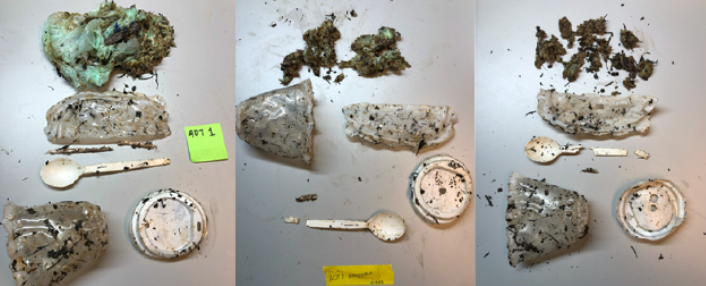
Engineered Compost Systems’ (ECS) lab tested compostability of one of the most common bioplastics, polylactic acid (PLA), under controlled conditions.

While bioplastics are marketed as compostable and eco-friendly alternatives to traditional plastics, they pose several challenges for our composting system:

  1. Decomposition Rate:
    • Bioplastics often require specific conditions to break down, such as higher temperatures and longer timeframes than those accommodated by our system.
    • Our process is optimized for organic waste like food scraps, yard trimmings, and other biodegradable materials that decompose more readily.
  2. Temperature Requirements:
    • While our system does reach high temperatures, bioplastics often need sustained temperatures that are difficult to maintain consistently throughout the pile.
    • Inconsistent temperatures can lead to incomplete decomposition, resulting in plastic fragments contaminating the finished compost.
  3. Material Integrity:
    • Even under ideal conditions, some bioplastics may not fully break down, leaving behind residues that compromise the quality and purity of our compost.
    • Ensuring that our compost is free from contamination is crucial for maintaining its quality and usability.
  4. Process Efficiency:
    • Incorporating bioplastics can disrupt the balance of our carefully managed system, potentially slowing down the composting process and affecting overall efficiency.
    • The presence of bioplastics can complicate our routine monitoring and maintenance, diverting resources from optimal composting practices.

Read more about the study in the above photo here.

The Issue with Fiber Ware

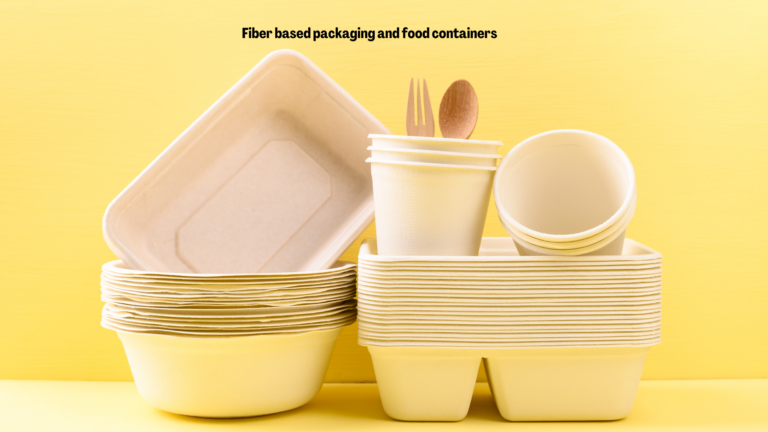
Image of Fiber based packaging and food containers

Fiber ware products, such as plates, bowls, and cups, are often lined with plastic or other chemicals to make them water and grease-resistant. These materials present significant challenges for composting:

  1. Chemical Contamination:
    • Plastic Linings: Plastics do not decompose in our ASP system, leading to microplastic contamination in the finished compost.  Often the plastic lining is so thin you may assume there is no plastic on it (think of well-known coffee chain cups). 
    • Unknown: Once any fiber ware is mixed in your green cart, it’s almost impossible to determine if it’s lined with plastic or other chemicals to make it grease-resistant. This makes accepting these materials tricky as both you, the customer and our staff removing any contamination from the incoming materials can’t easily tell what will be a contamination in the compost and what won’t. 
  2. Health and Environmental Risks:
    • Plastic Linings: Microplastics can persist in the soil, potentially entering the food chain and harming wildlife.
    • Unknown chemicals: some harmful chemicals have been removed from these packaging standards. However there has not yet been a proven grease-resistant chemical that is both helpful for the container and a proven to be safe in compost. 
  3. Quality Assurance:
    • To produce high-quality, contaminant-free compost, we must avoid materials that do not fully break down or that introduce harmful chemicals into the composting process.
 

Our Commitment to Quality and Sustainability

Salinas Valley Recycles and Atlas Organics prioritize producing the highest quality compost, free from contaminants and rich in nutrients. By excluding bioplastics and fiber ware with grease-resistant chemicals or plastic linings from our composting system, we can ensure:

  • Consistency: Delivering reliable, high-quality compost that meets the needs of our customers and supports healthy soil.
  • Sustainability: Maintaining a streamlined process that reduces waste, conserves resources, and promotes environmental stewardship.
  • Transparency: Providing clear guidelines and education on what materials can and cannot be composted, helping our community make informed and sustainable choices.

What You Can Do

Green Cart

We encourage our customers to continue placing food scraps and yard waste in the green cart while being mindful of the materials you include. 

Yes: loose food scraps and loose yard trimmings!

No: bioplastics, compostable bags and other fiber products such as paper plates and to-go containers.

Thank you for supporting our mission to create a greener, more sustainable future. Together, we can make a significant impact by adhering to best practices and promoting responsible waste management.

Wally Birthday Image

Wally's Birthday Party!

 Join us Saturday, November 15th for a free fun event at Wally Waste-Not’s Education Center!

What are you looking for?