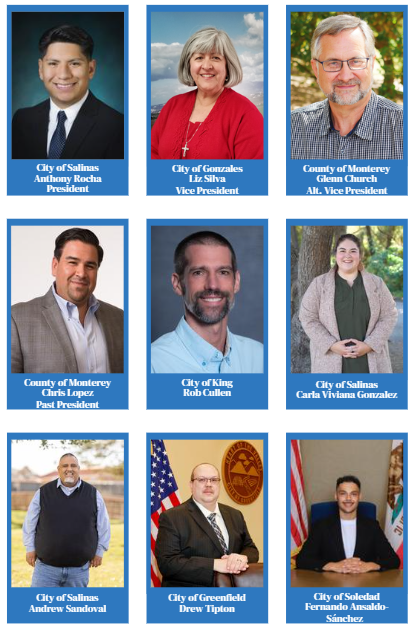
 SVR is governed by a nine-member board consisting of two Monterey County Board of Supervisors, three Salinas City Council members, and one City Council member each from the cities of Gonzales, Soledad, Greenfield, and King.
The Board meets every 3rd Thursday of the month at 6:00 p.m., unless otherwise noted, in the City of Gonzales Council Chambers, 117 Fourth Street, Gonzales, CA 93926.
The Executive Committee is an advisory committee to the Board of Directors and oversees issues related to finances, personnel, and agency policies. Composed of the SVR Board: President; Vice President, Alternate Vice President; and Immediate Past President (discretional).
The Executive Committee meets, unless otherwise noted, the Wednesday two weeks before the regular Board of Directors meeting at 2:30 p.m. in SVR’s Conference Room, 126 Sun Street, in Salinas.
Board Alternates: Luis Alejo, County of Monterey; Orlando Osornio, City of Salinas; Scott Funk, City of Gonzales; Maria Corralejo, City of Soledad; Rachel Ortiz, City of Greenfield; Oscar Avalos, City of King
Landfill Gas Project: 10/19/2023
The Board approved a lease and Landfill Gas purchase agreement with Vespene Energy Inc. for a project utilizing landfill gas from Crazy Horse Landfill to generate electricity for portable data centers, providing royalty payments to SVR.
Heavenly Valley Ranch Renewable Energy Project: 04/18/2024
A partnership proposal on a new project idea to convert agricultural waste and landfill gas to Renewable Natural Gas. A collaboration between the TAP Agricultural Partners, LLC, Ameresco, Inc., Taylor Fresh Foods, Inc., Machado & Sons Construction, and SVR. SVR’s role and responsibilities would be as the lead agency for Phase One.
North Monterey County Transfer Station: 8/17/2023, 02/15/2024
The idea of establishing a public service transfer station in the North Monterey County area was brought forward by a Board member this year. J.R. Miller and Associates was hired to prepare the conceptual design and cost estimates for the construction a transfer station at the closed Crazy Horse Landfill. Two conceptual drawings were presented to the Board for their evaluation. The support to begin the California Environmental Quality Act (CEQA) process for the larger facility was given by the Board.
See Board Meeting Agendas and Highlights here.
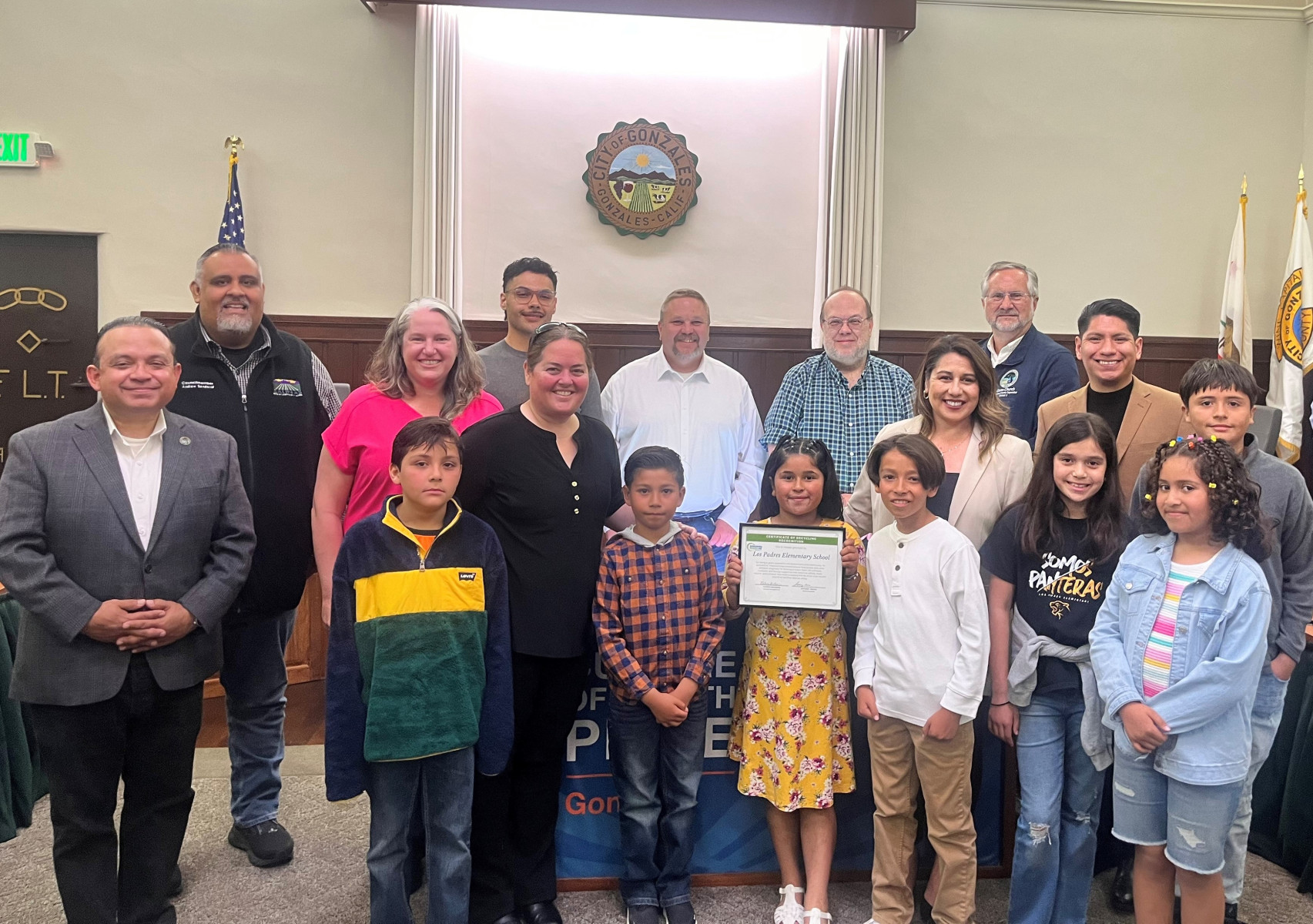
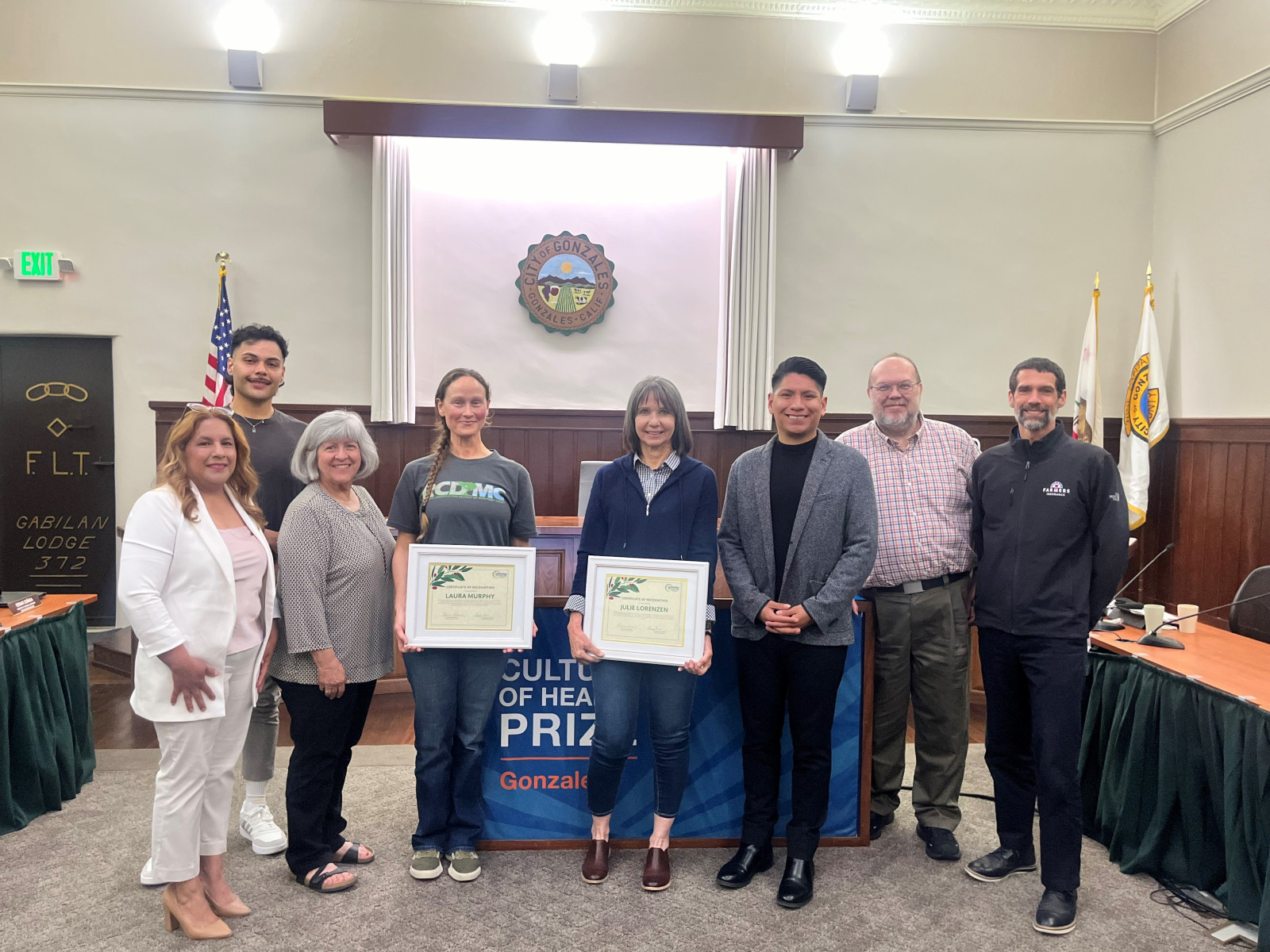
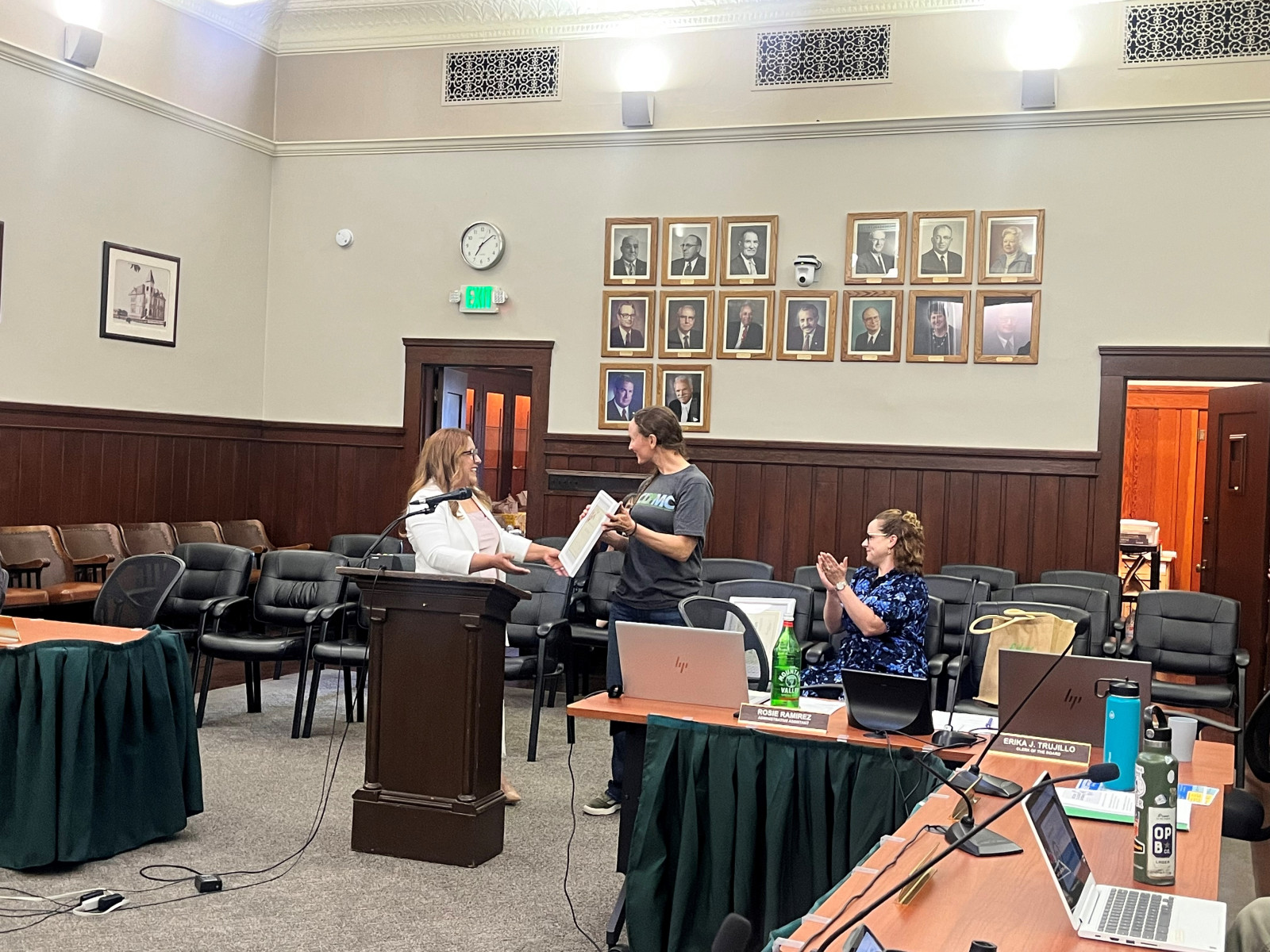
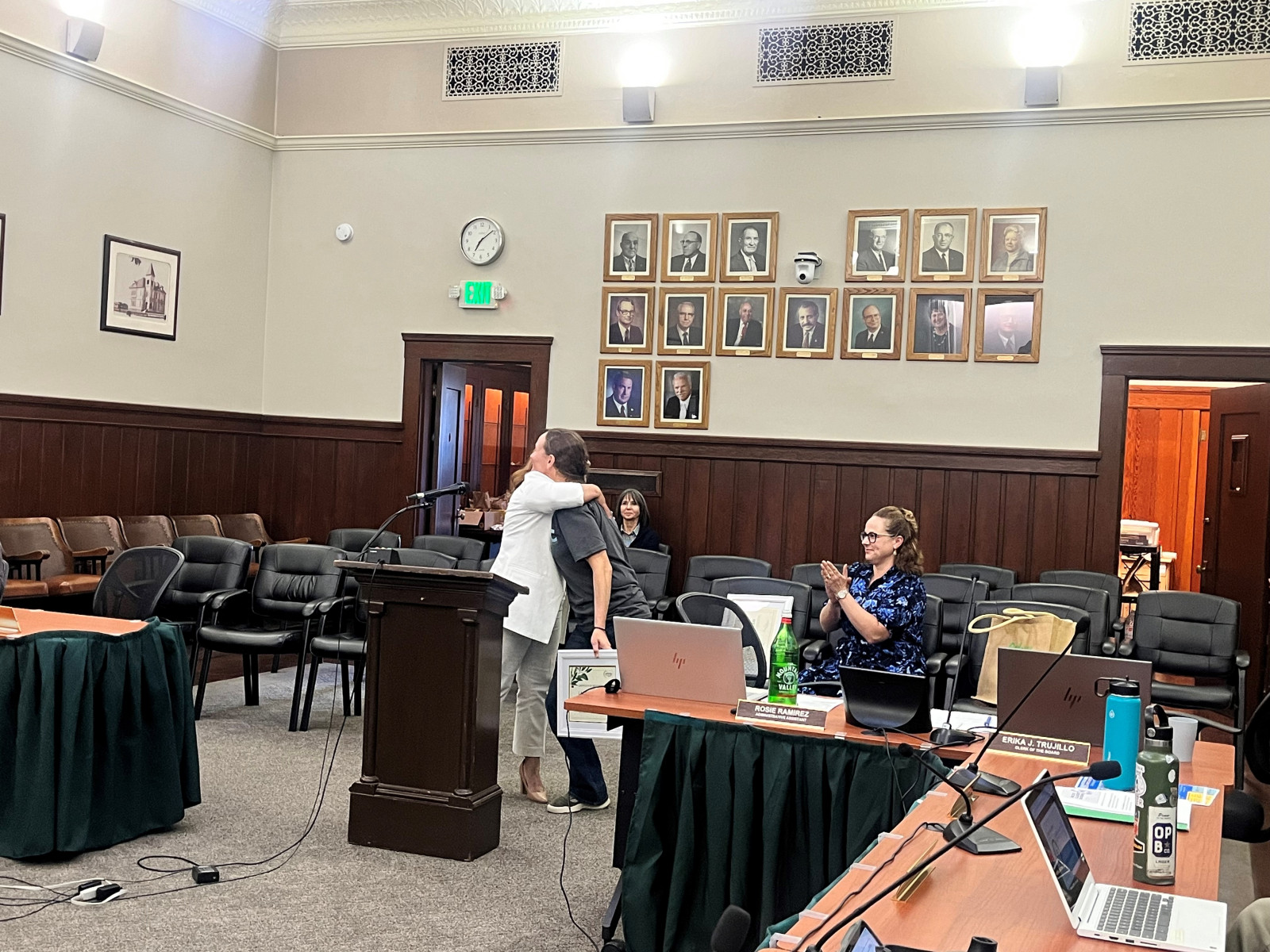
Awards
The Authority remains dedicated to its community, celebrating those who go above and beyond in our shared goal of a future without landfill.
- Edible Food Recovery Grants: Third cycle of funding awarded to enhance food recovery network.
- Recycling Recognition Awards: Local businesses and multi-family properties in Salinas were honored for SB 1383 implementation.
- Earth Day Awards: Recognized community leaders for environmental stewardship.
- School Grants: Thirteen schools received funds for student-led Green Teams.
- SB 1383 Compliance: Two schools were acknowledged for outstanding work in meeting SB 1383 requirements.
These initiatives highlight the Authority’s ongoing commitment to fostering a sustainable future through community involvement and recognition.
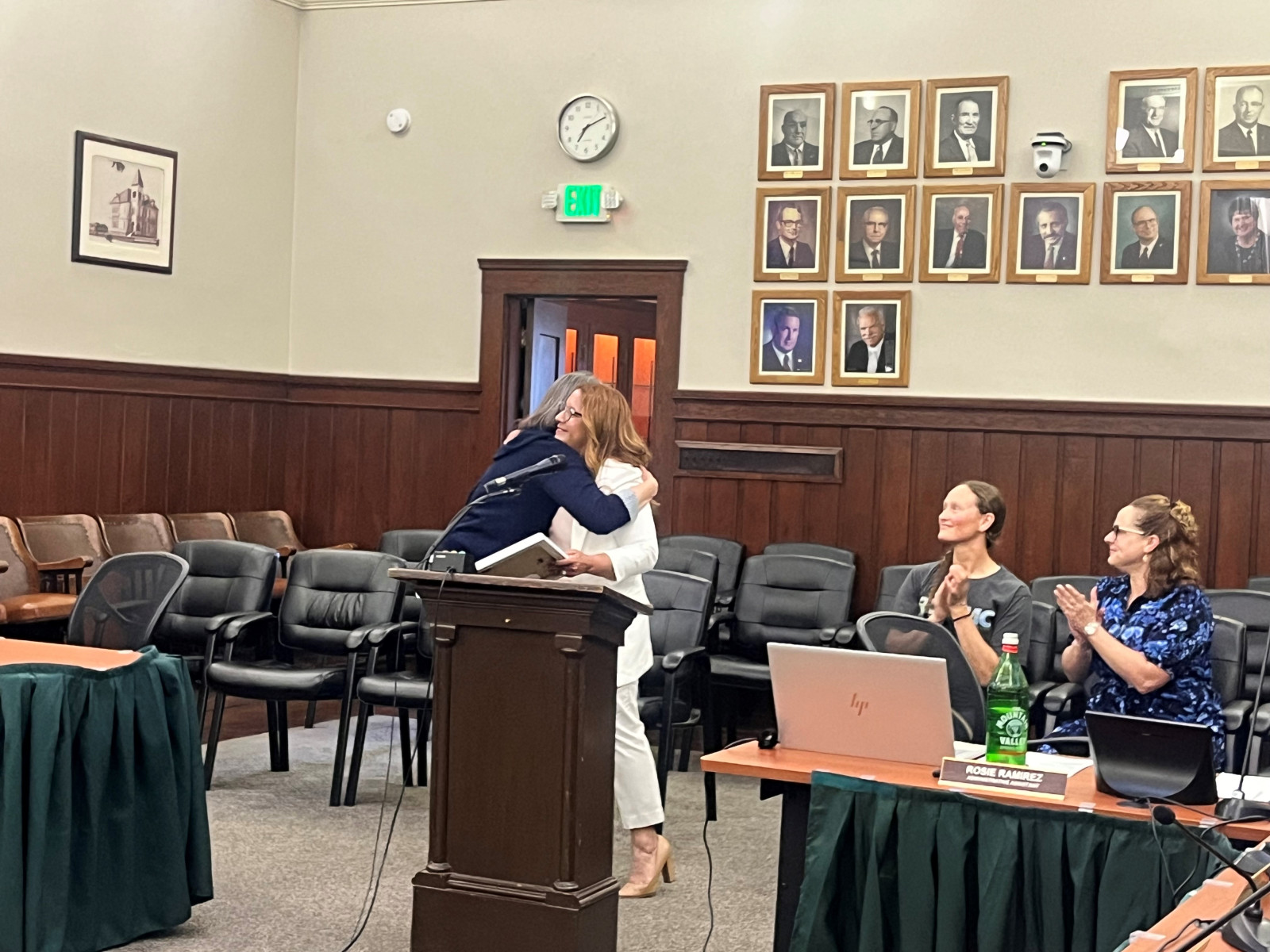
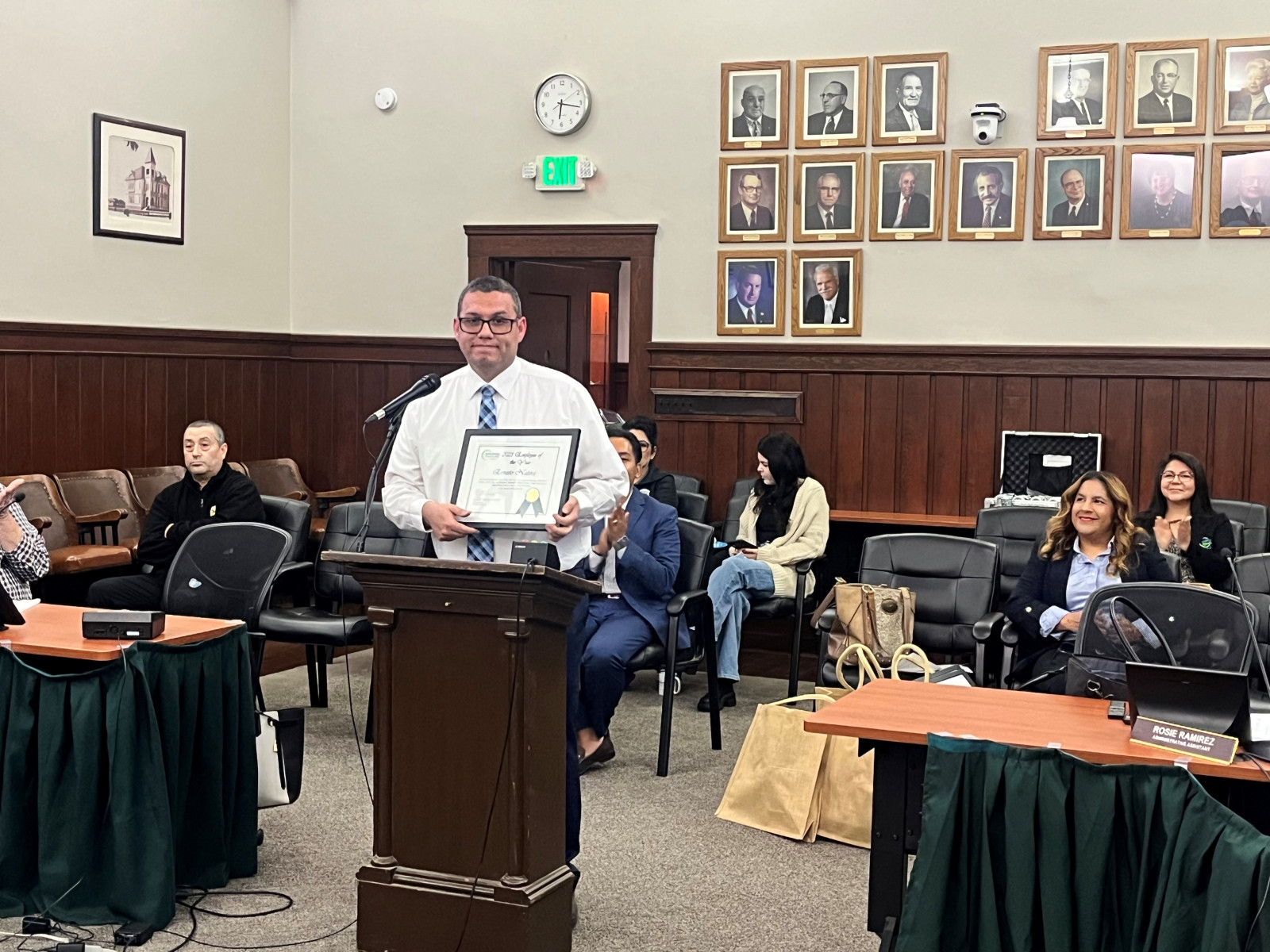
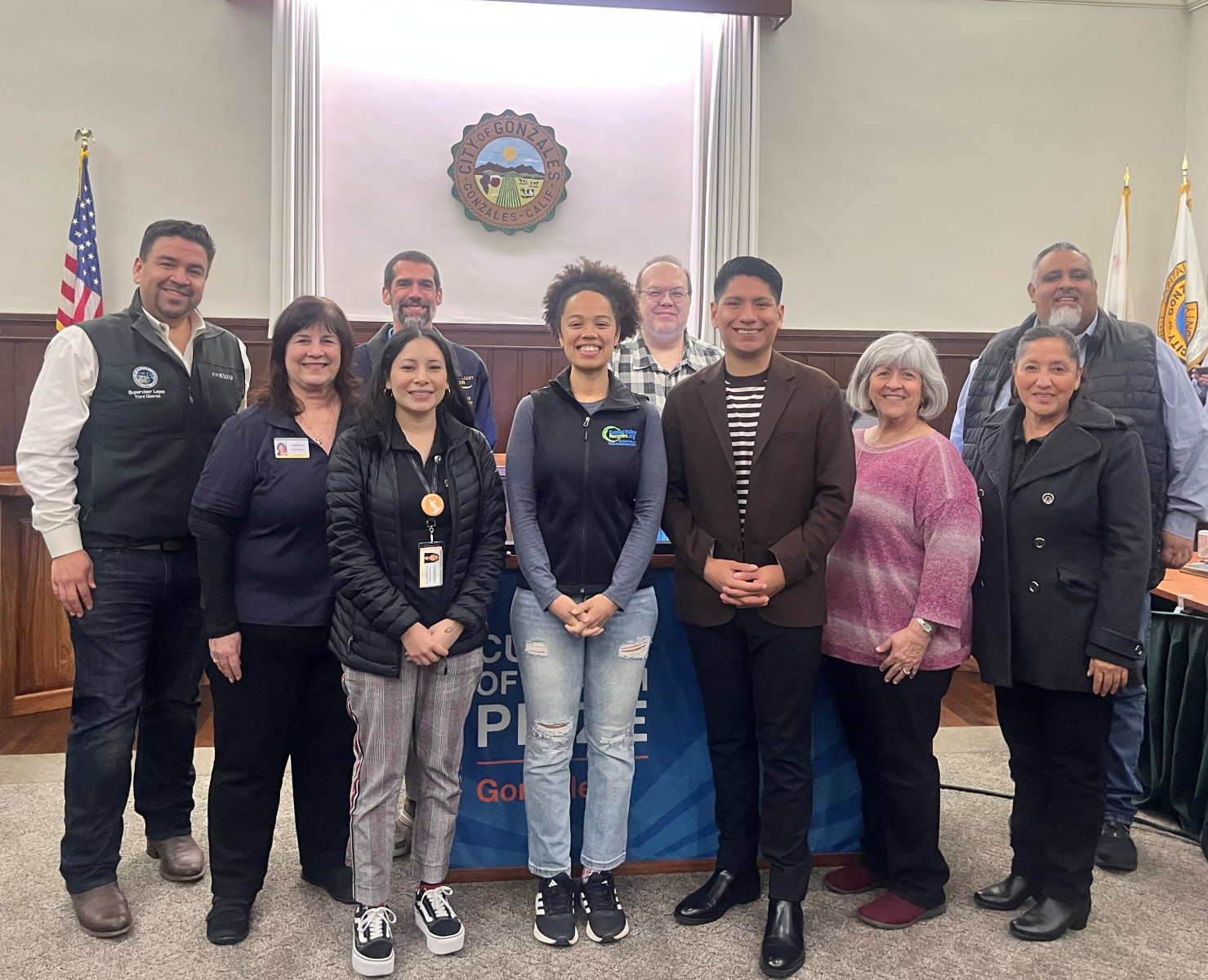
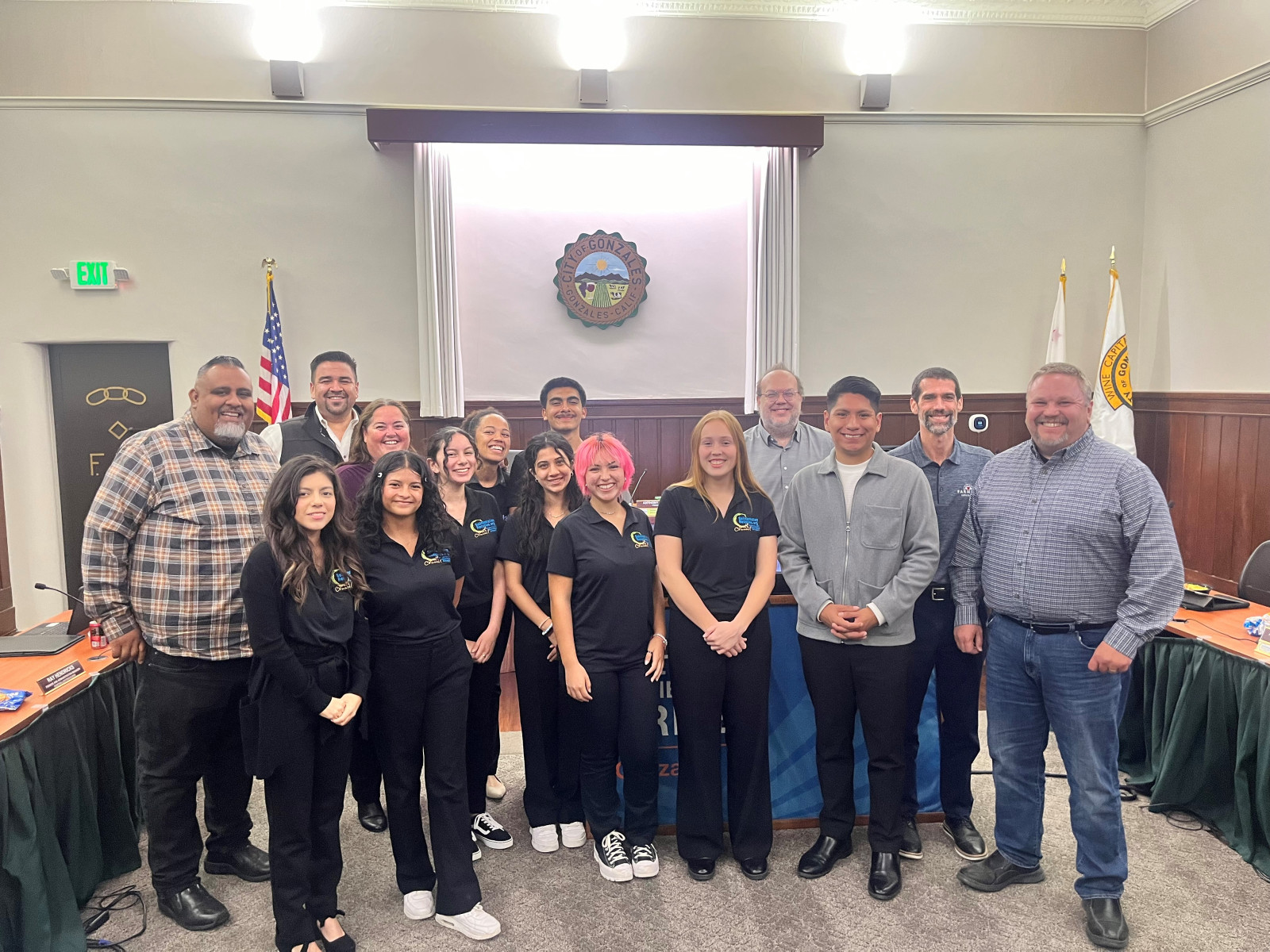
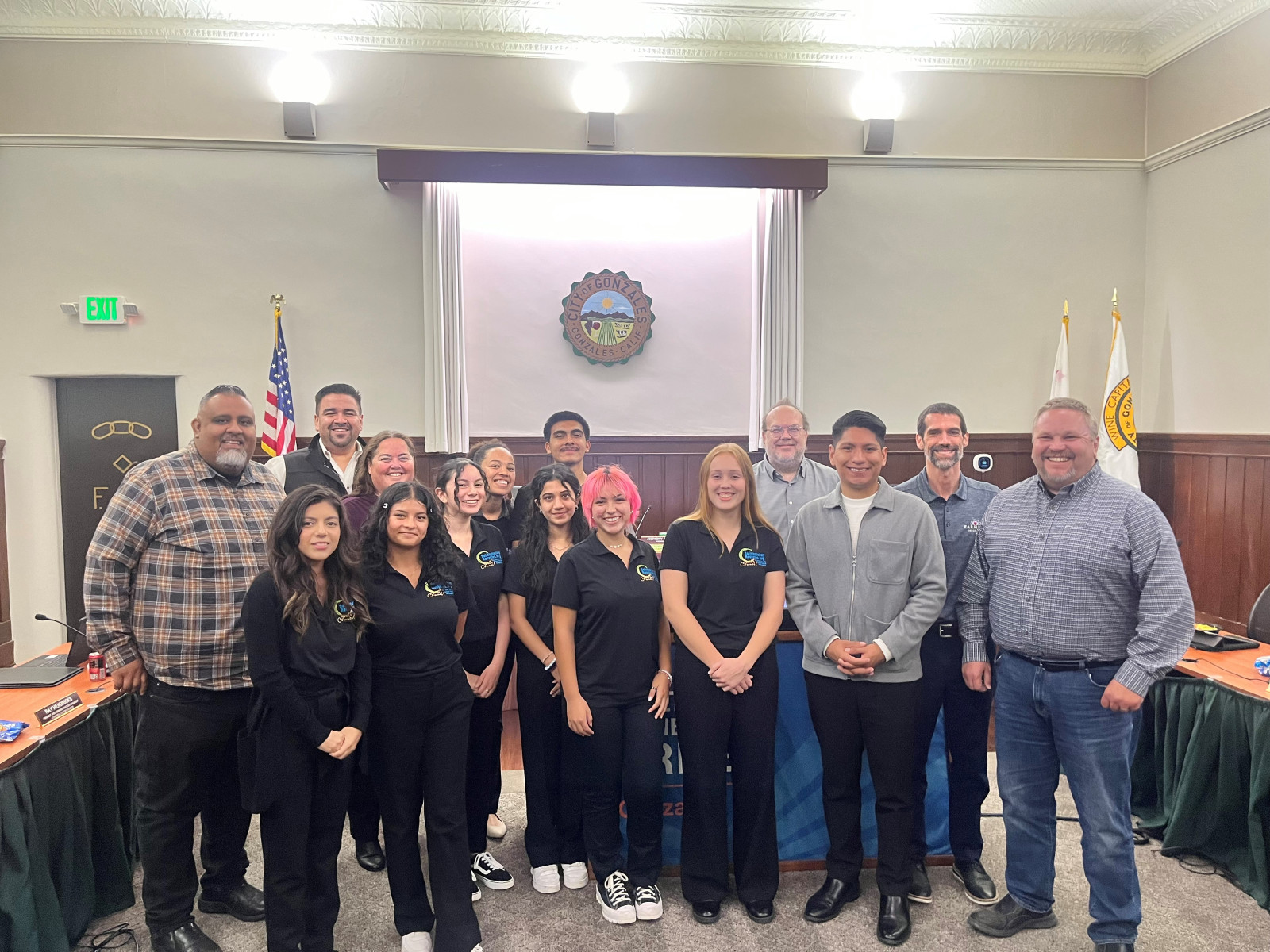
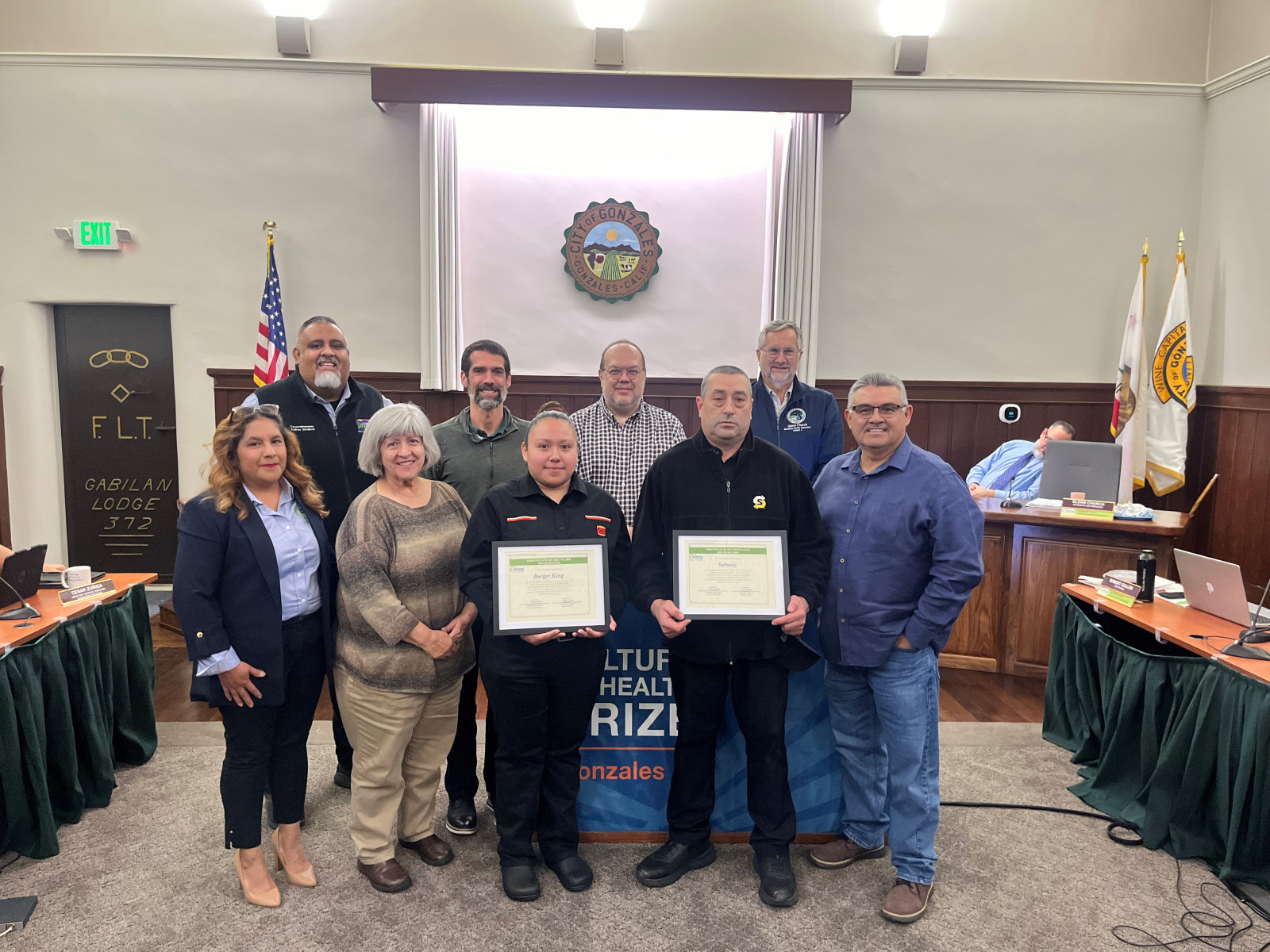
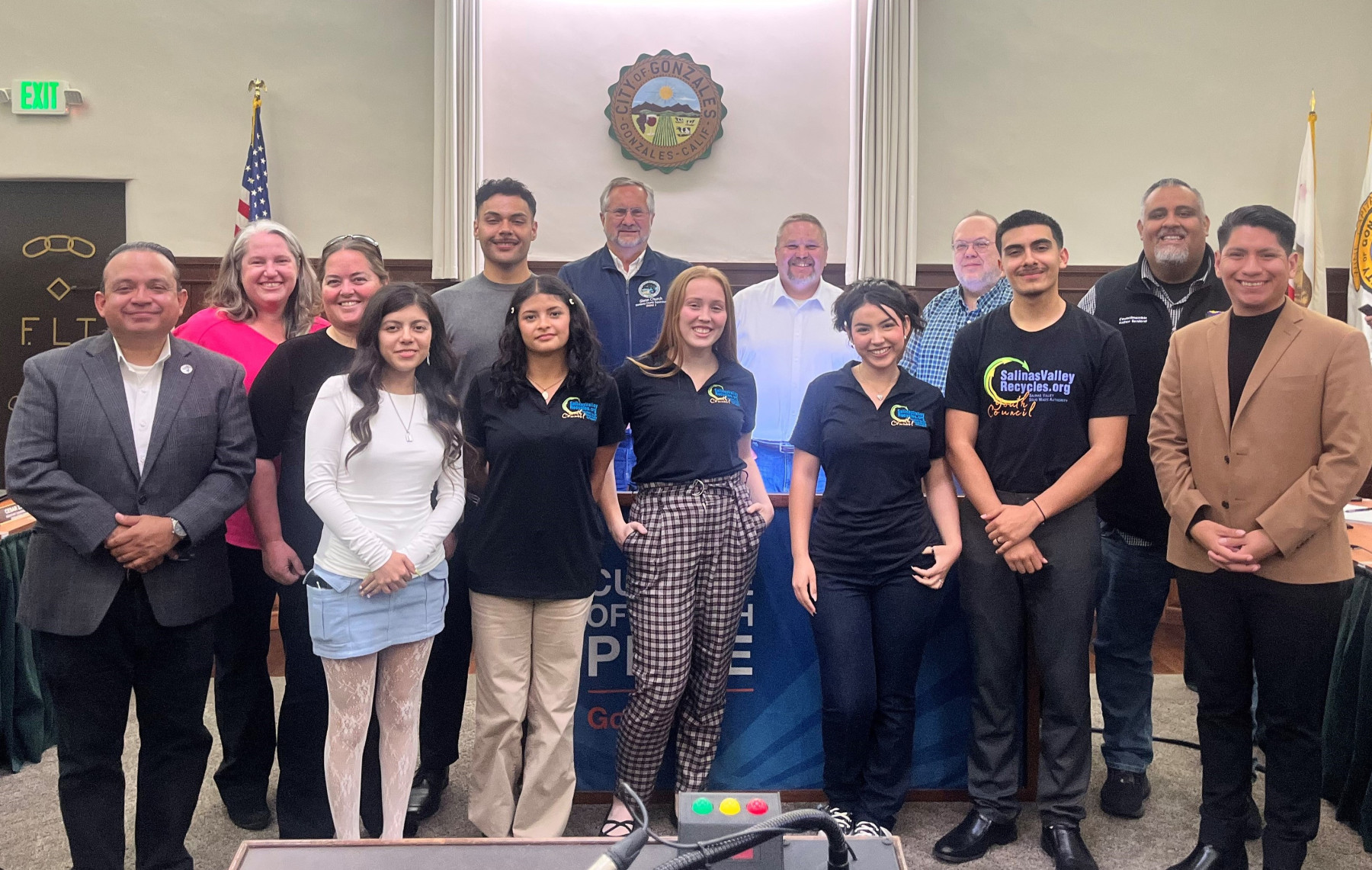
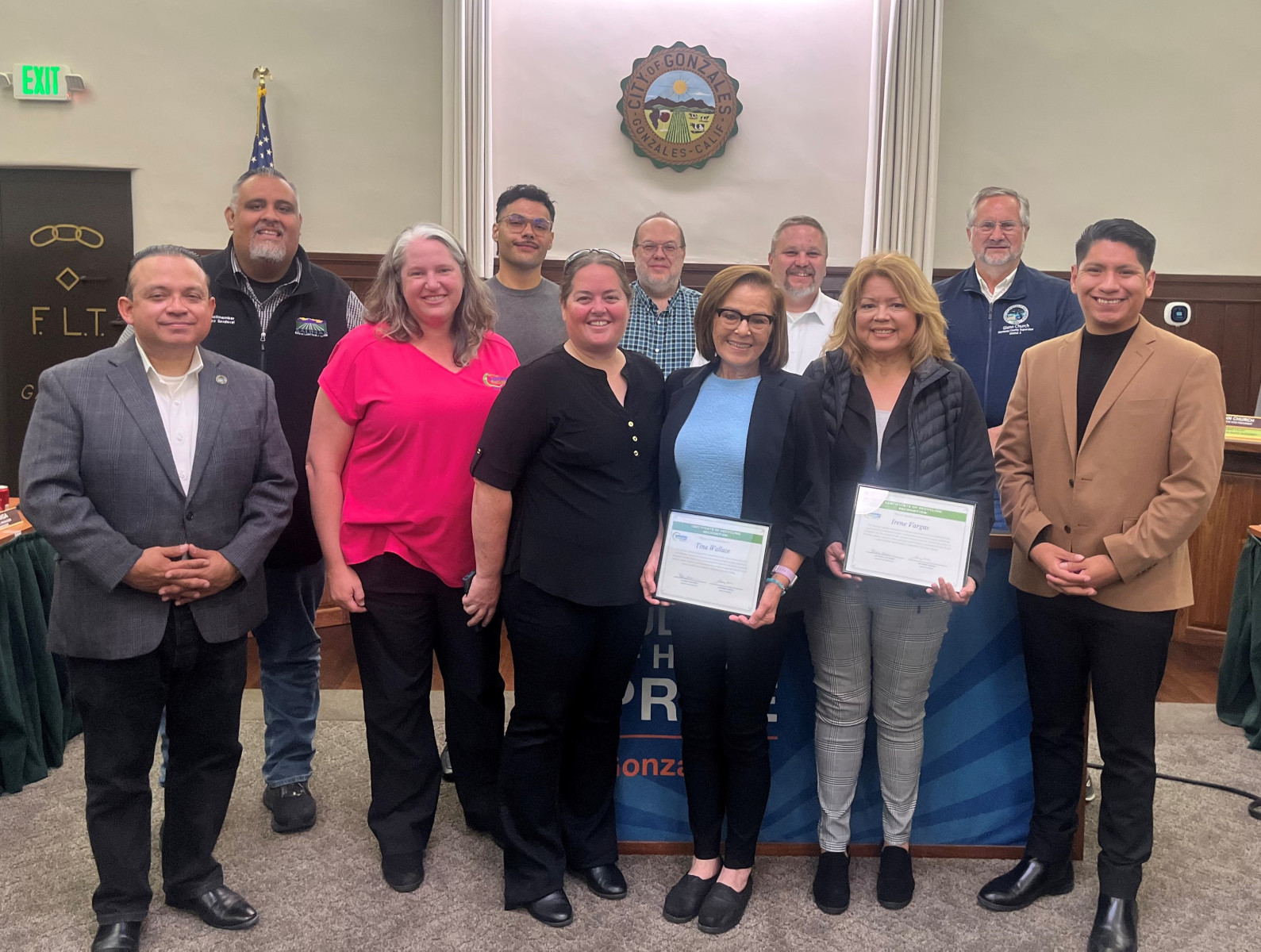
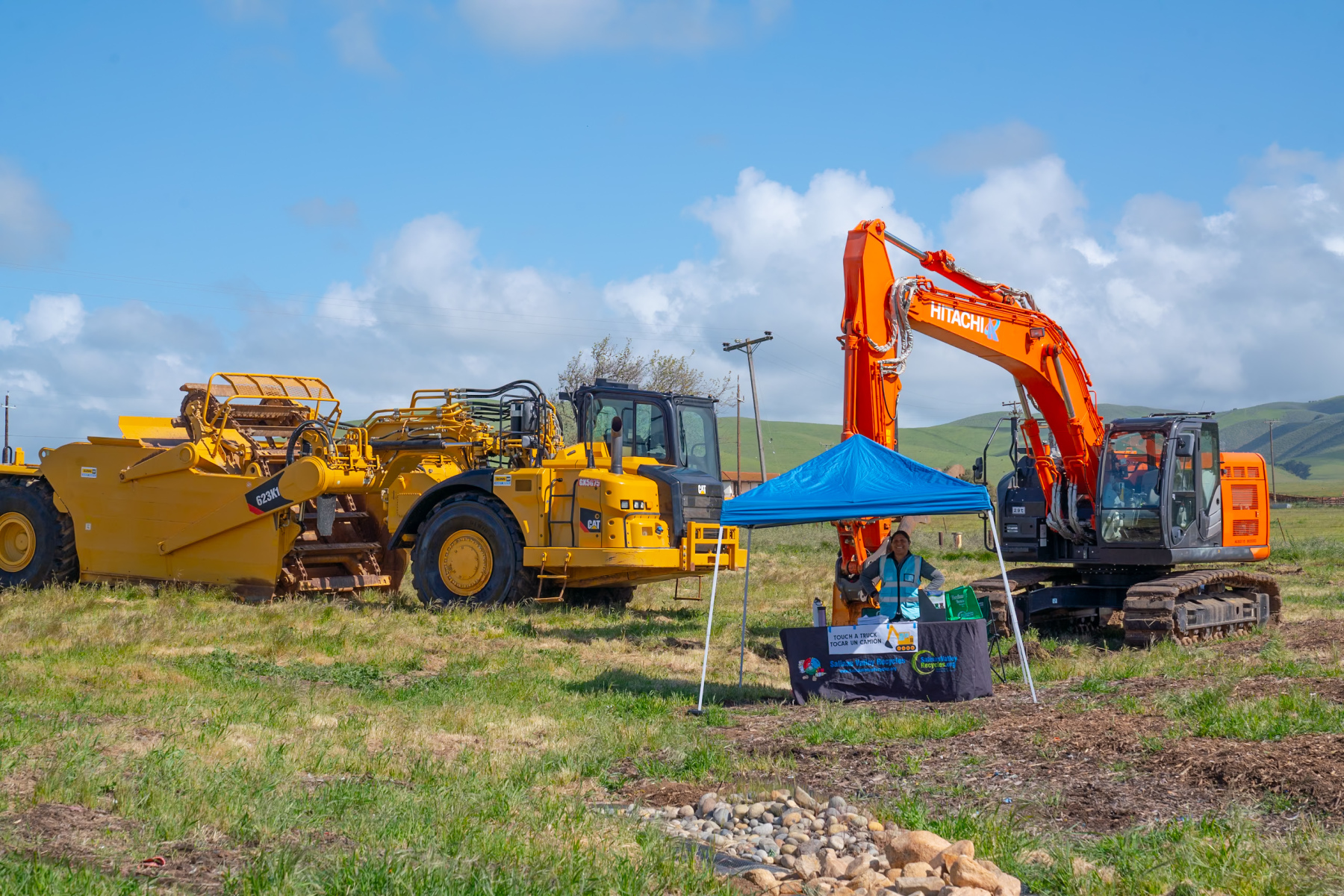
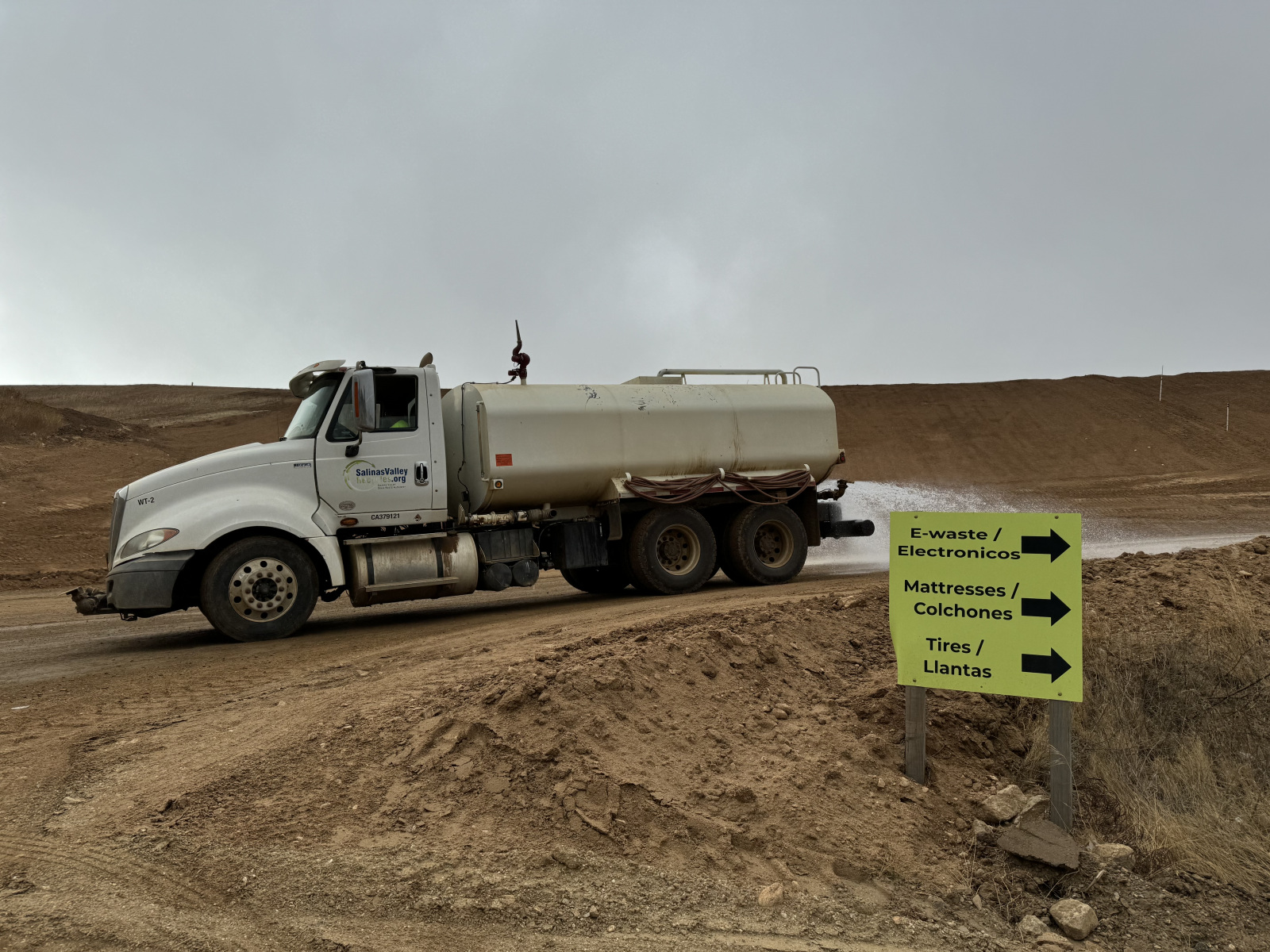
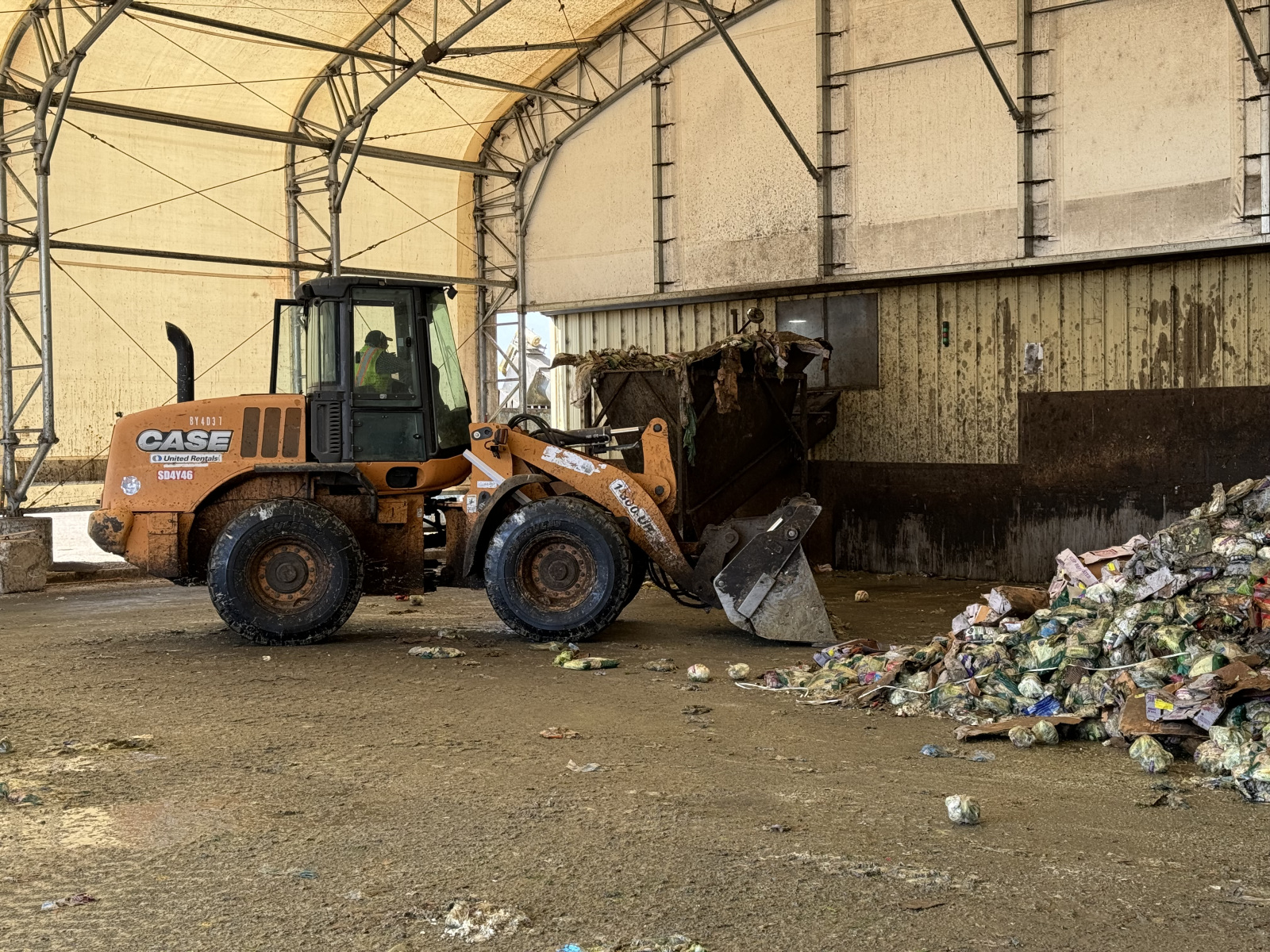
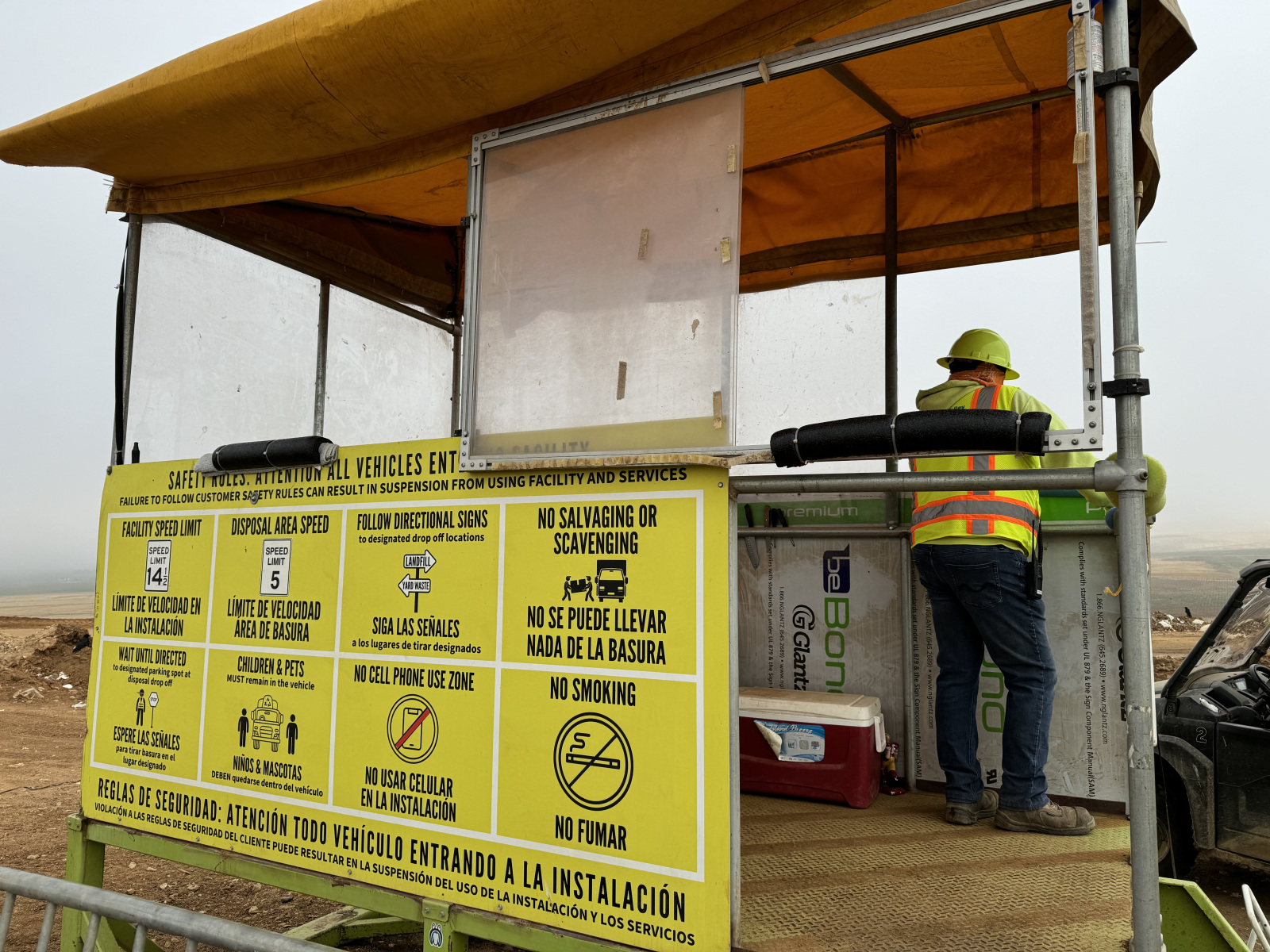
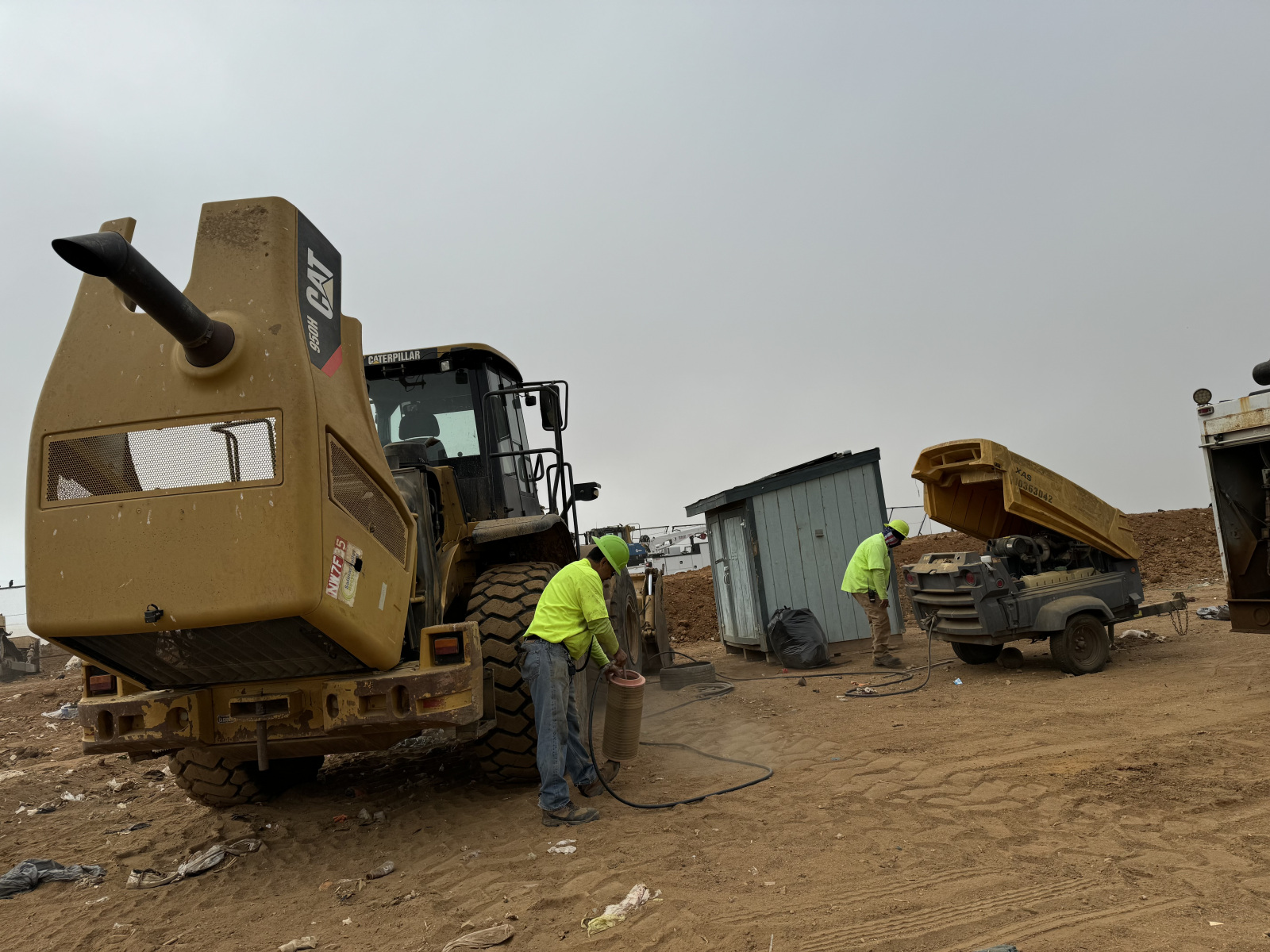
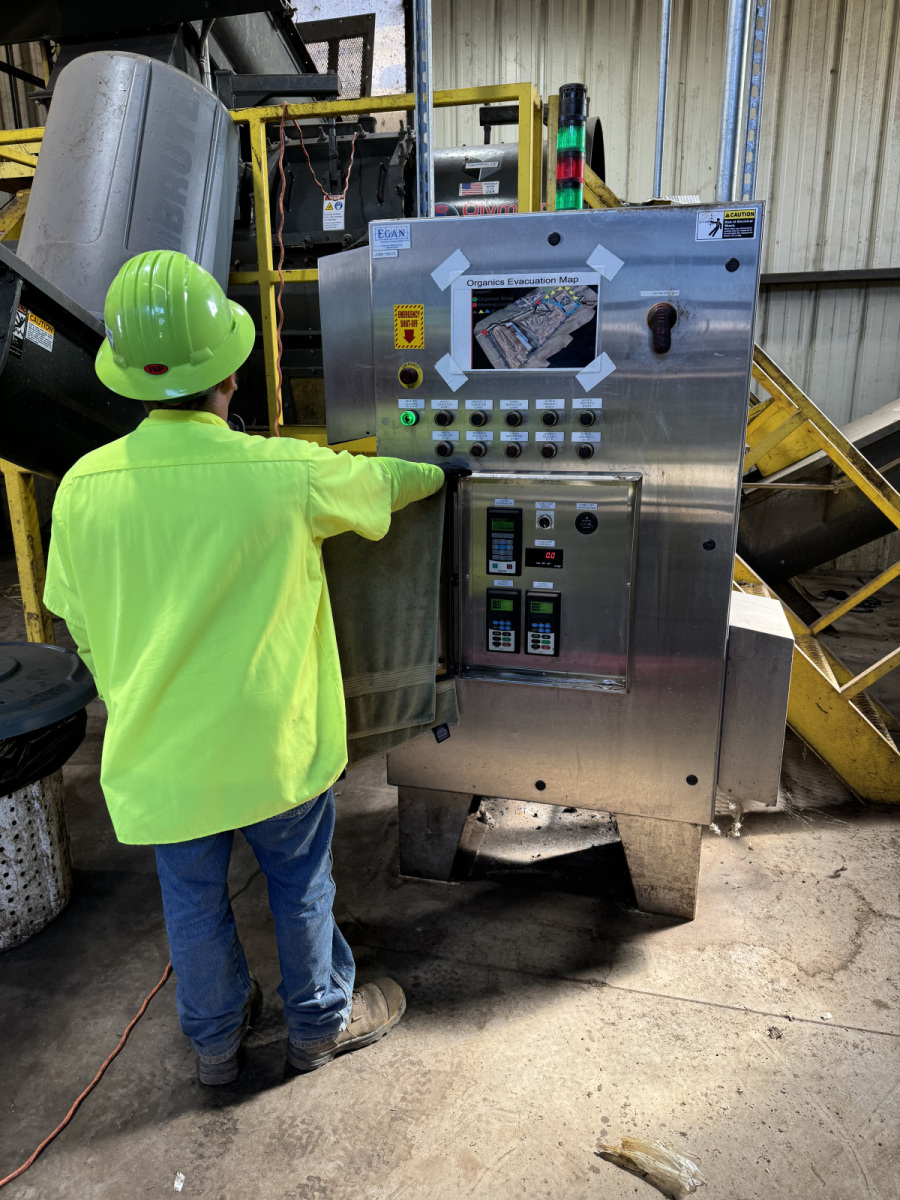
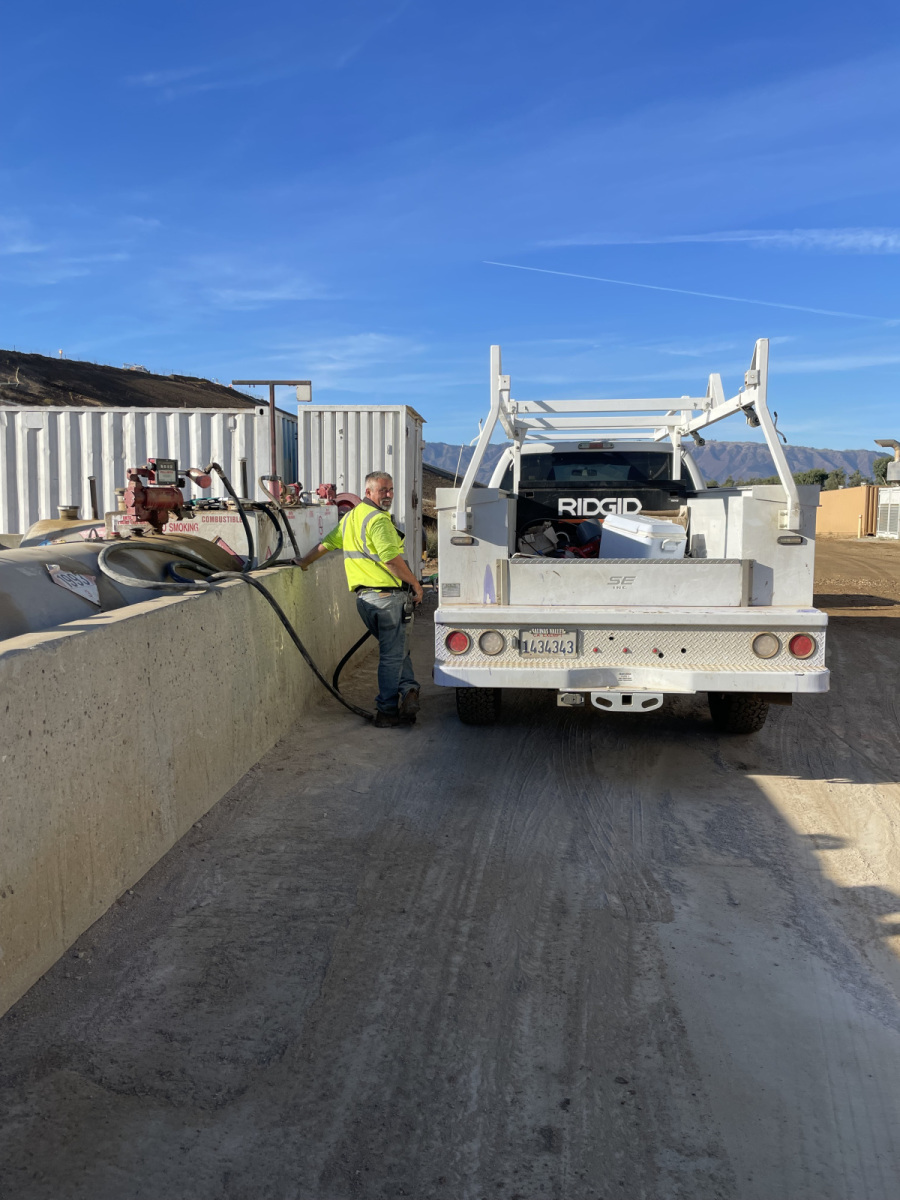
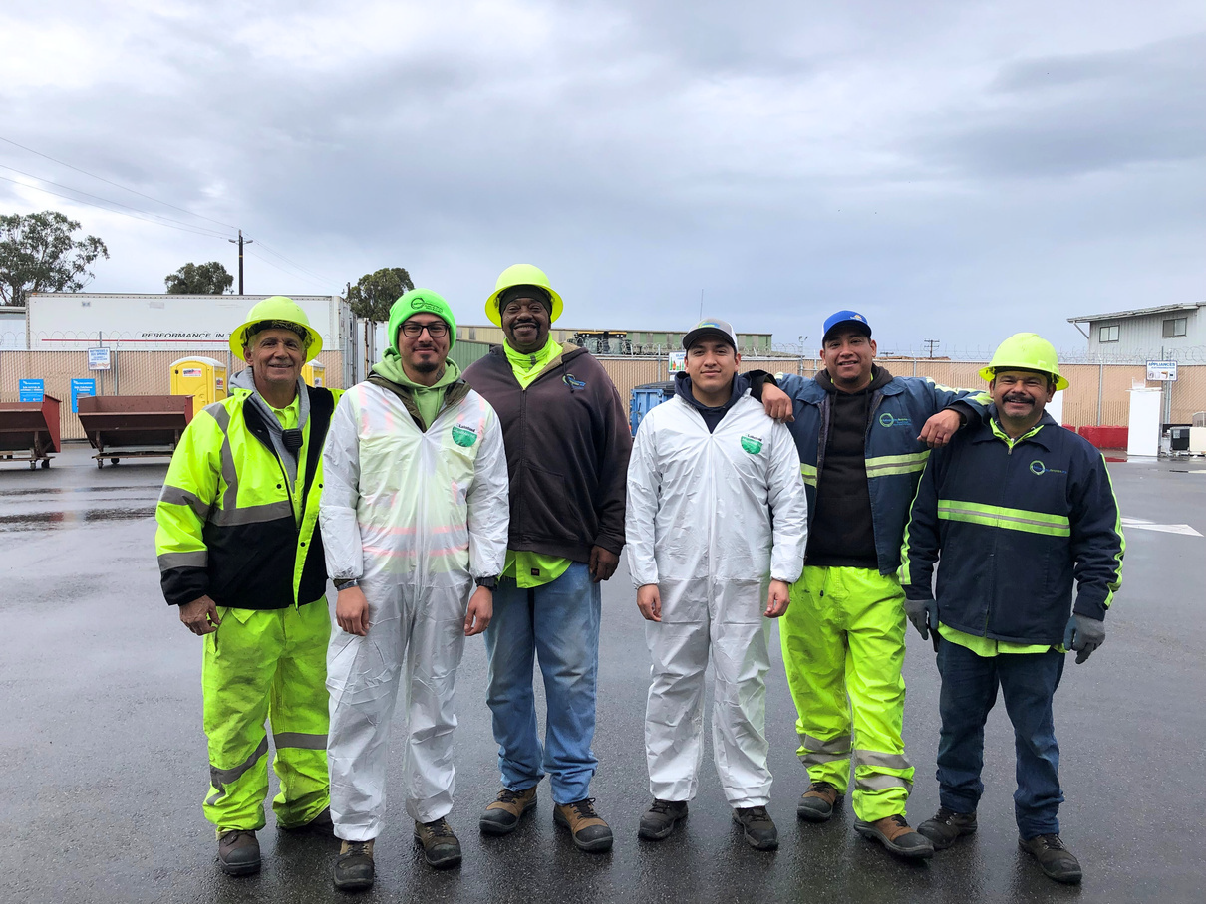
It takes an extraordinary team to keep every part of our operation running smoothly. These photos offer a glimpse into the many roles our talented staff play in making it all happen. Your dedication and hard work are truly what keep us thriving!
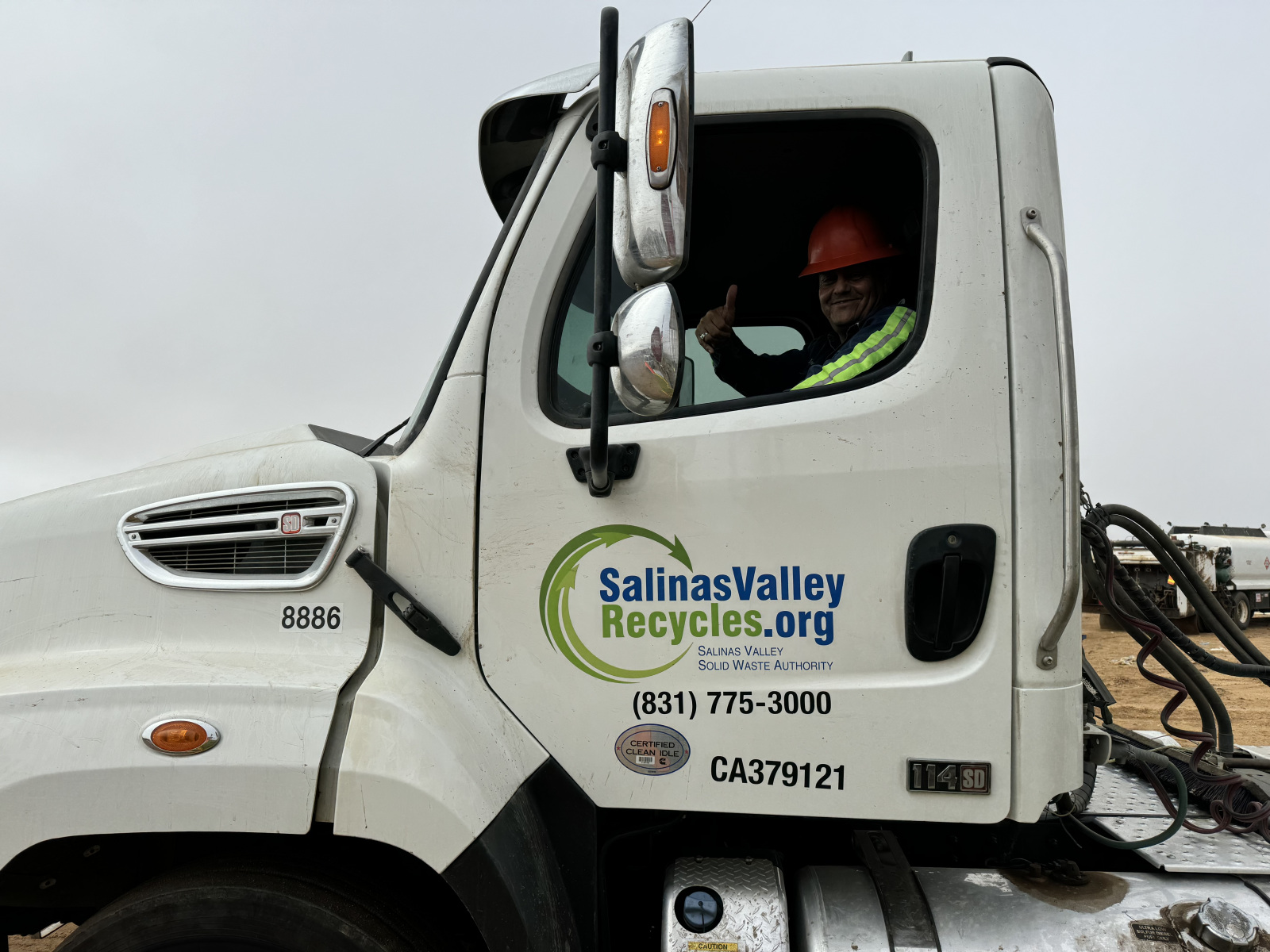

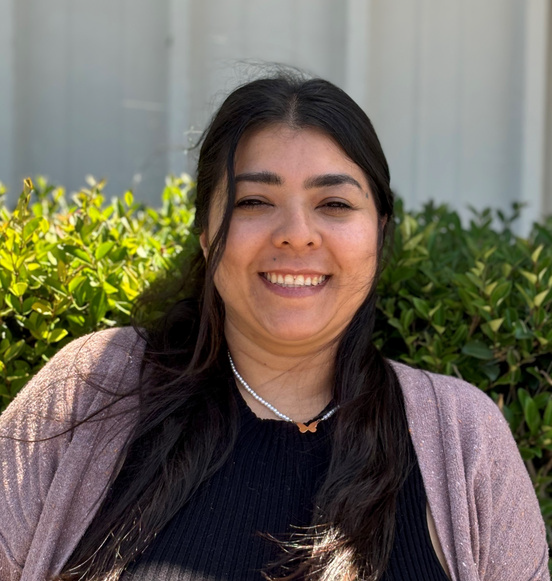
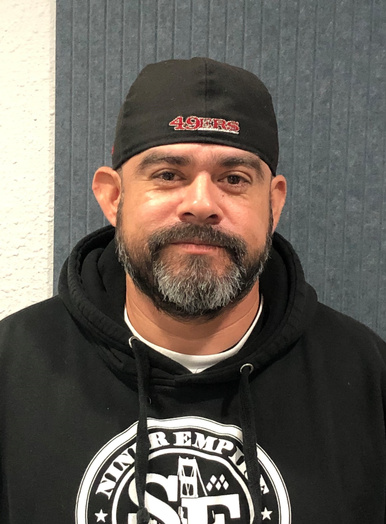

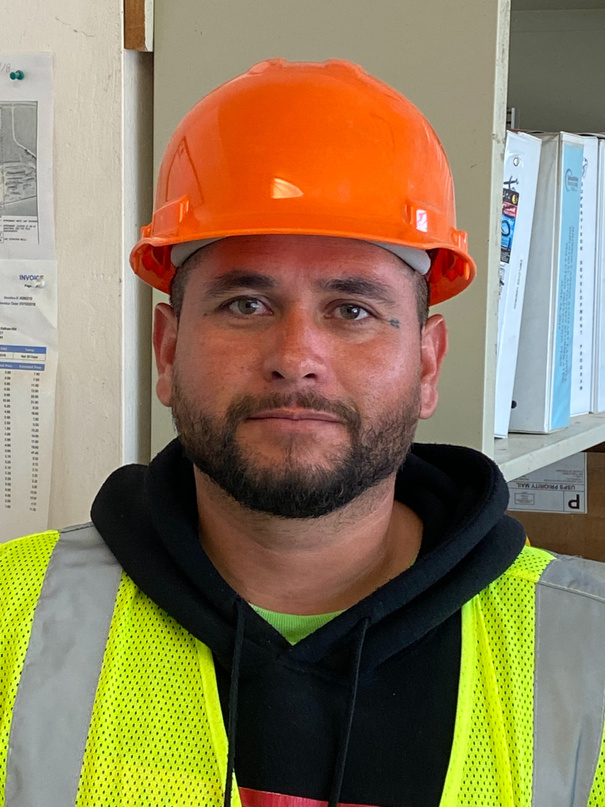
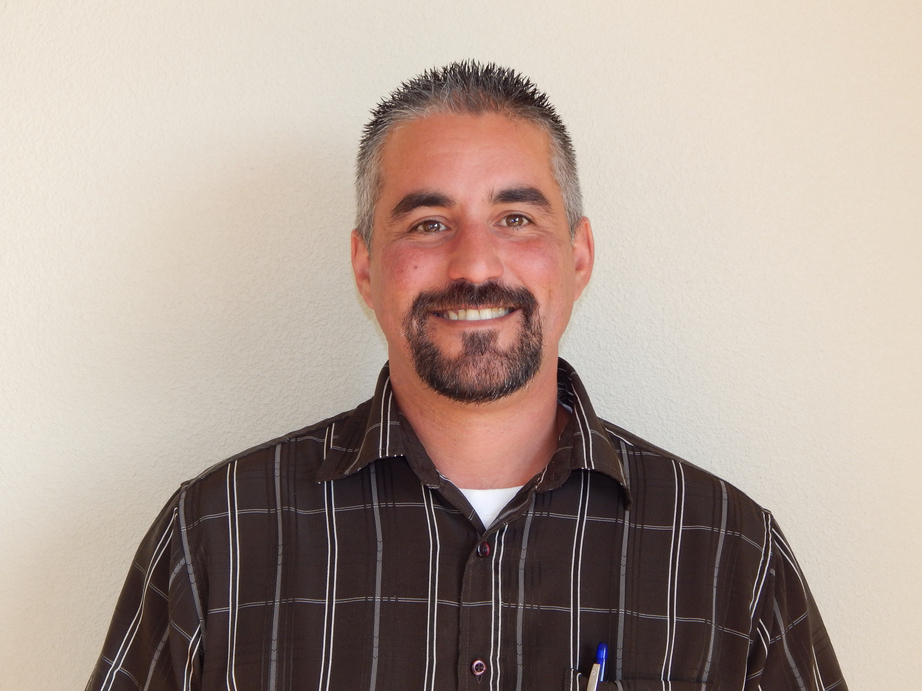
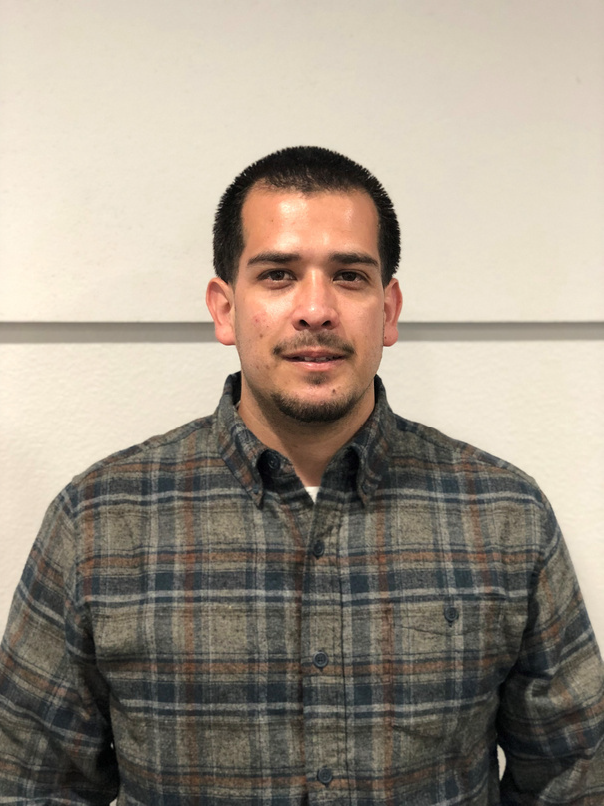
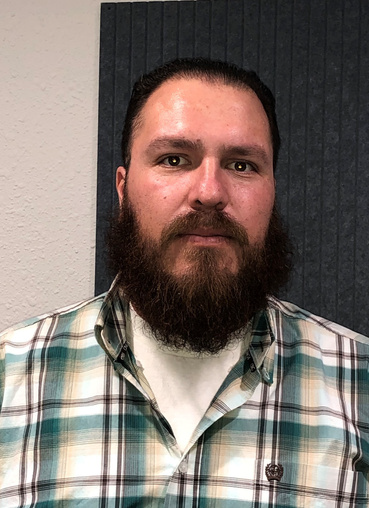
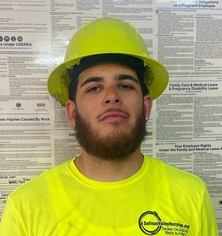
Employee of the Year: Tomas Lopez
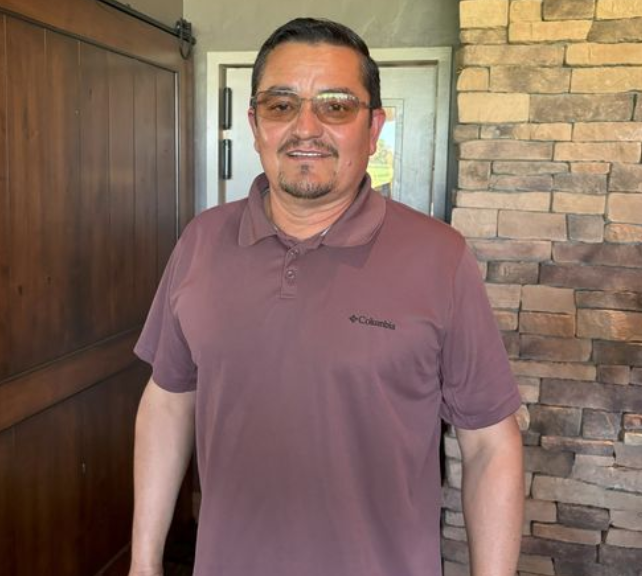
Tomas has worked with SVR for over four years, and was nominated by his colleagues for his dependability, patience, and great attitude. Tomas has demonstrated these attributes while helping his colleagues in day-to-day operations and cross-training other staff members.
Tomas, you are truly a value to the team, and we thank you for all you do! Congratulations!
A government agency’s net position is one indicator of its overall financial health. It compares assets (money and property) to liabilities (long-term commitments and debts). When assets exceed liabilities the agency has a positive net position, or enough assets to pay all of its current and long-term debts and commitments. Conversely, if liabilities outweigh assets, it is in a negative net position. This means that even if it sold all of its assets it could not pay for all of its current and long-term debts and commitments. This could suggest potential long term financial challenges. The following chart shows the agency’s net position over the last ten years.
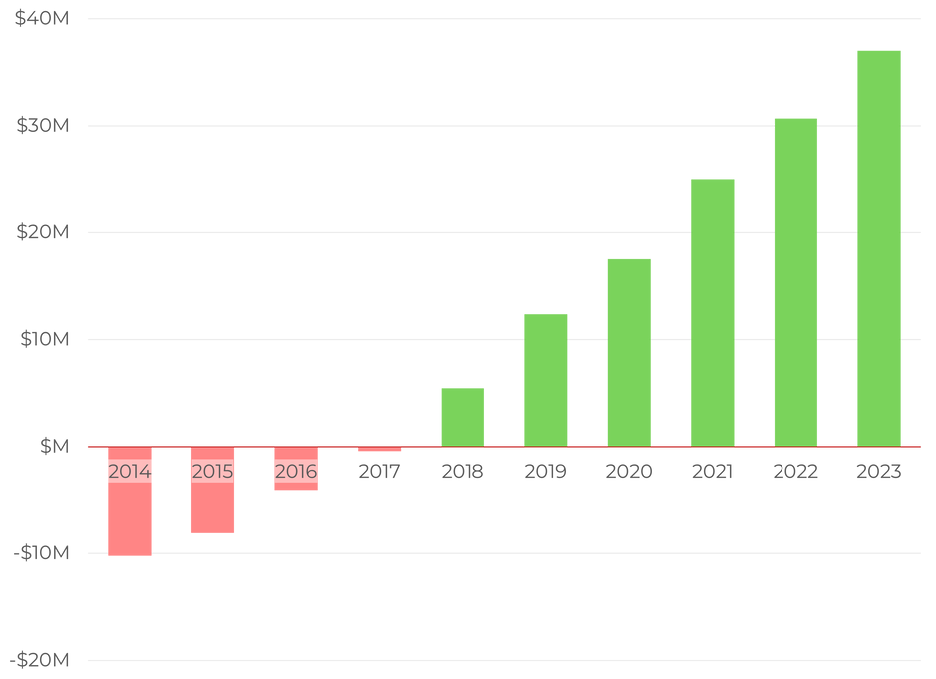
The Net Position has improved from a historic low deficit of $11.5M in FY 2008-09 to just under $37M in FY 2022-23, which represents a positive change of $48.5M in the last 14 years. This positive net position shows that the agency has the ability to meet all of its obligations and continue to deliver critical services to the Salinas Valley.
Key to its improvement is SVR’s refunding of its Bonds in 2014 and again in 2022. The 2022 refunding shortened the maturity of its debt by 1 year and will save the agency $1.6 million in debt service payments. The final payment is scheduled six years from now on August 1, 2030.
In keeping with our model of financial sustainability, SVR has continued to pay off any “Unfunded Liability” associated with the CalPERS pension plan when the fund does not meet its financial return goals. Paying off this liability last year saved SVR over $1 million in interest. By not allowing this liability to grow, SVR puts more of your money to work supporting community services.
Balanced Budget
Operating Revenue = Full Cost of Services
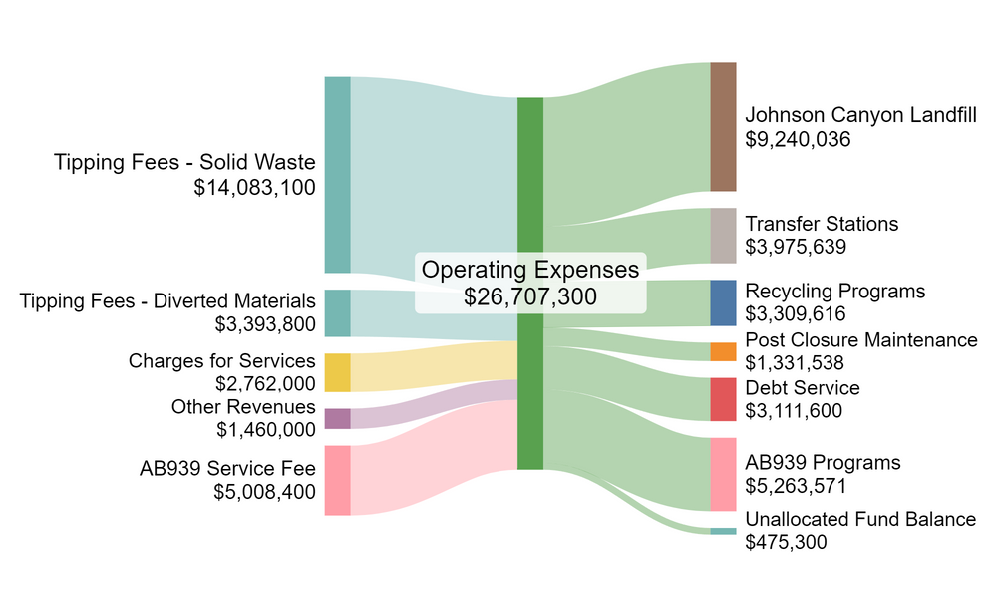
SVR’s Board has implemented financially sustainable policies to mitigate budget risks and minimize costs for ratepayers. Decisions such as refunding debt, paying off or prefunding liabilities, a save-as-you-go mentality that funds ongoing future Capital on an annual basis, conservative budgeting, and allocating Fund Balance to one-time capital expenses and reserves has put the agency in a good position to continue operations, provide critical services, and comply with state mandates should economic challenges occur. SVR strives to demonstrate financial sustainability and a long-term approach to utility financing.
 For the 10th consecutive year the Government Finance Officers Association of the United States and Canada (GFOA) awarded the Certificate of Achievement for Excellence in Financial Reporting to SVSWA.
Approved 24-25 Budget Fund
Approved 24-25 CIP Project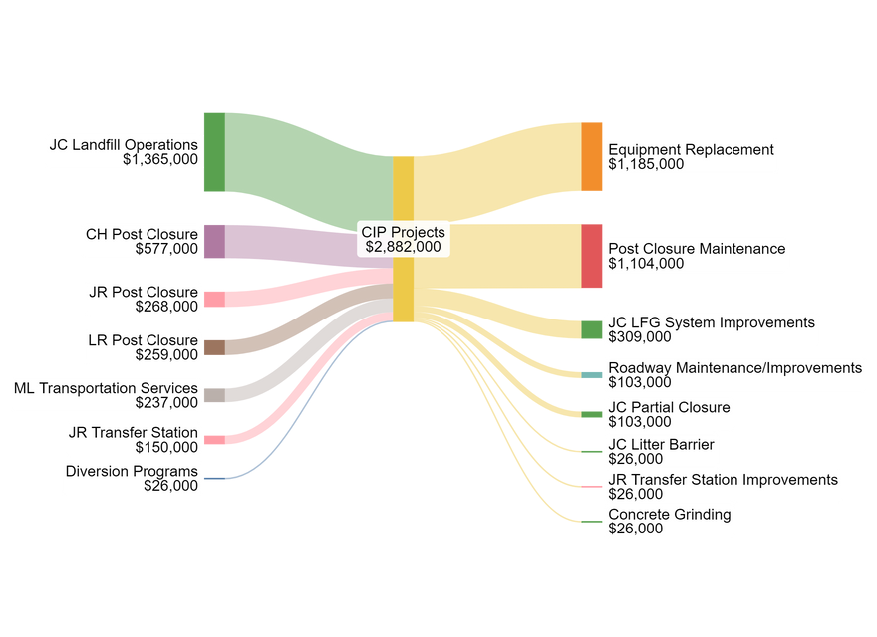
Post Closure
Post closure of a landfill refers to the ongoing monitoring and maintenance activities undertaken after the landfill has been certified closed. This includes maintaining landfill cover, and ensuring compliance with regulatory requirements, which is done by monitoring and managing landfill gas, ground water, and leachate. Essentially, it involves ensuring the long-term safety and environmental integrity of the closed landfill site.
The Authority allocates $1.1 Million to maintain its 3 closed landfills. SVR holds the principle that the waste we handle today shouldn’t become a burden for future generations. Hence, since Johnson Canyon is our last remaining landfill we allocate a portion of disposal fees to prefund the future maintenance of the landfill after it reaches capacity.
Your tipping fees include the cost of managing your garbage for up to 30 years after the landfill closes. Future generations won’t be paying extra fees at disposal to manage old waste. SVR built long term care of the waste into today’s tipping fees.
- Permitted landfill space is maximized for member agency benefit with no reliance on outside waste imports.
- Landfill tipping fees remain the lowest in the County.
Tonnage by jurisdictions processed at SVR facilities.
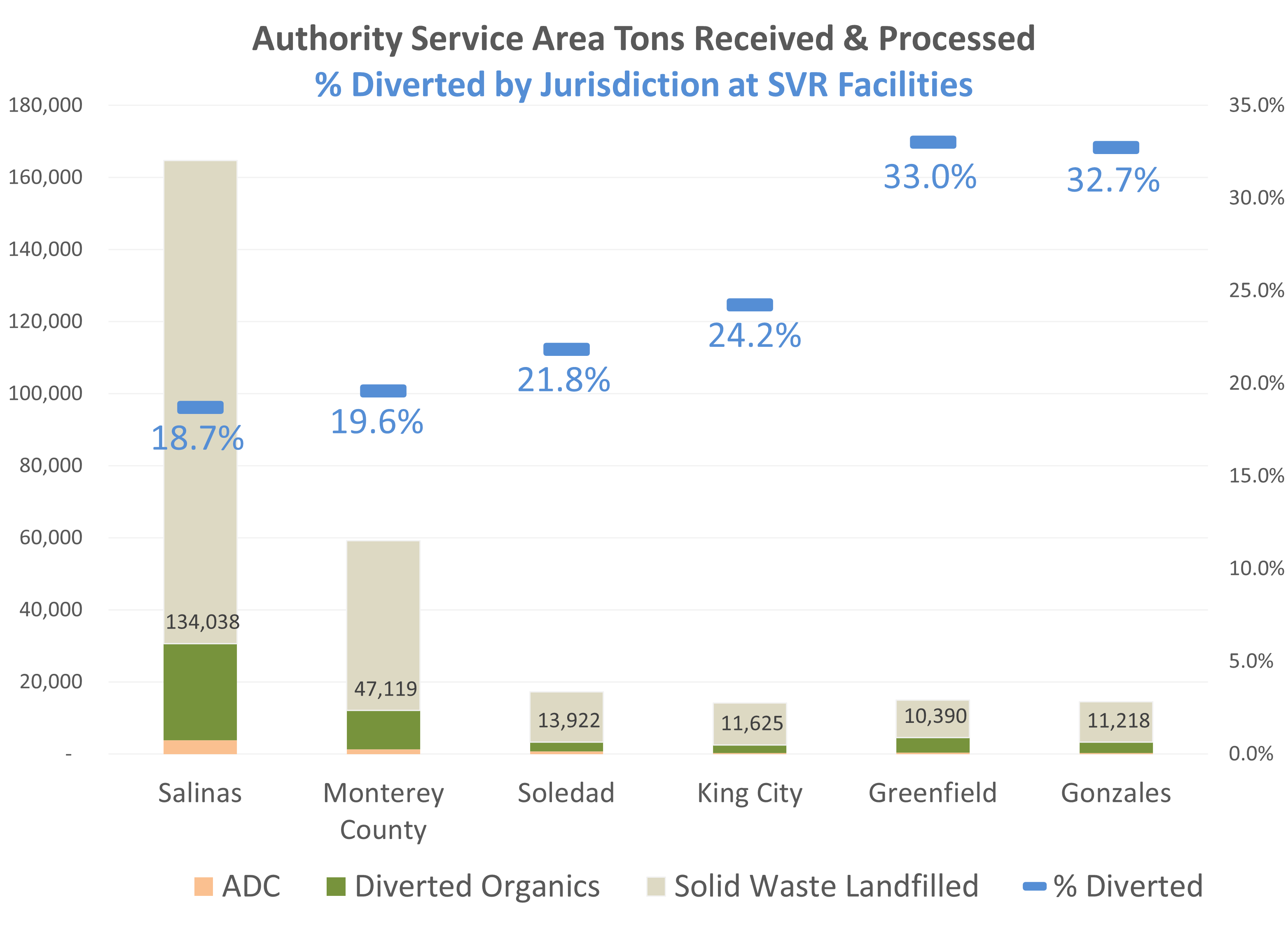
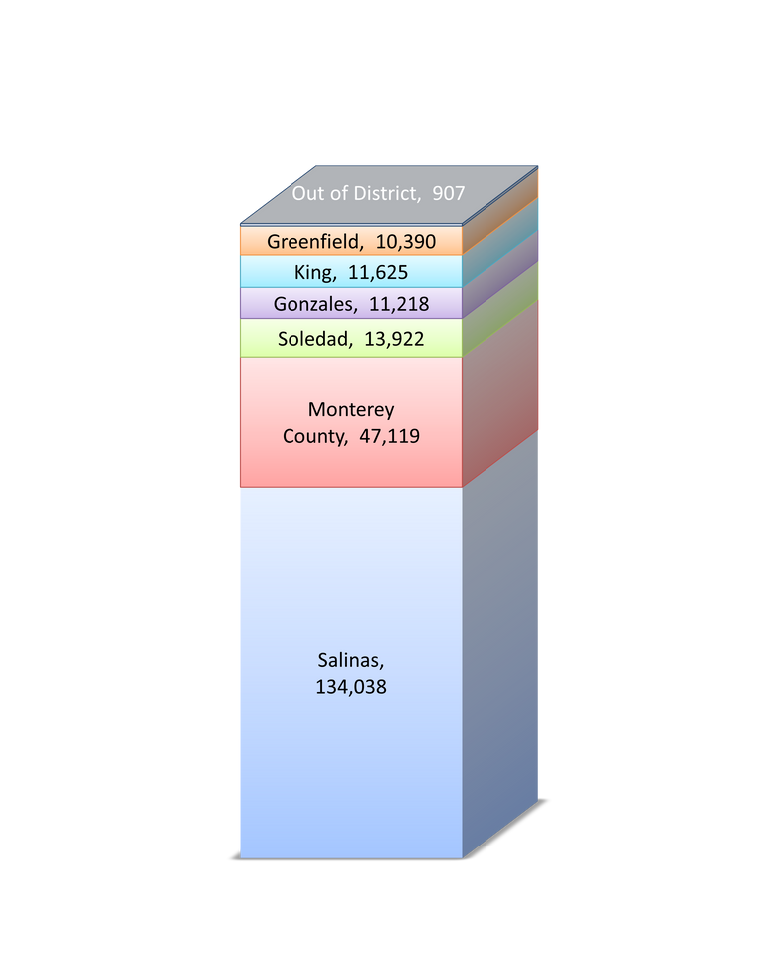

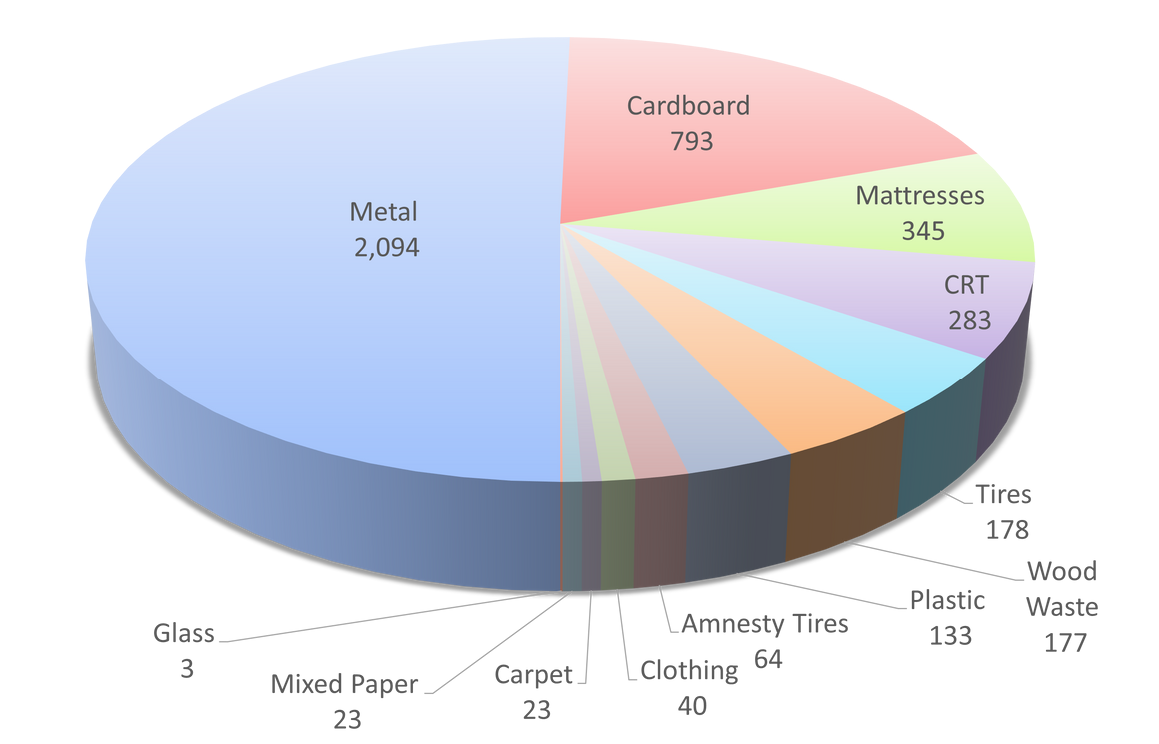
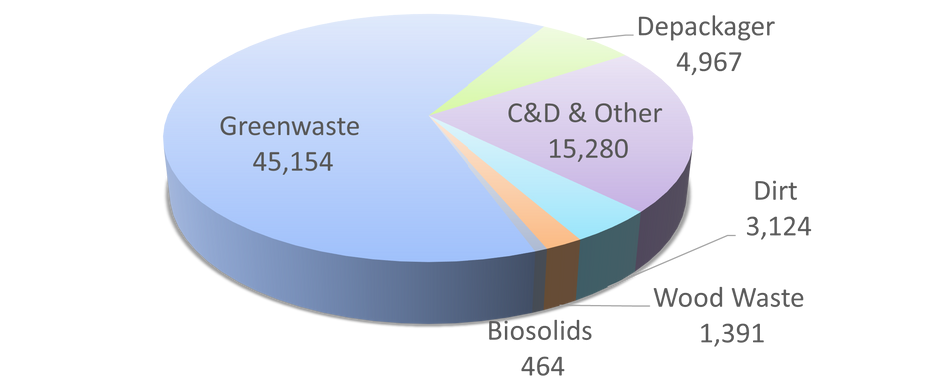
All California jurisdictions must report how they divert 50% of their jurisdiction’s waste stream from landfill disposal each year.
Source Reduction
Reducing the amount of waste that is generated.
Public Education
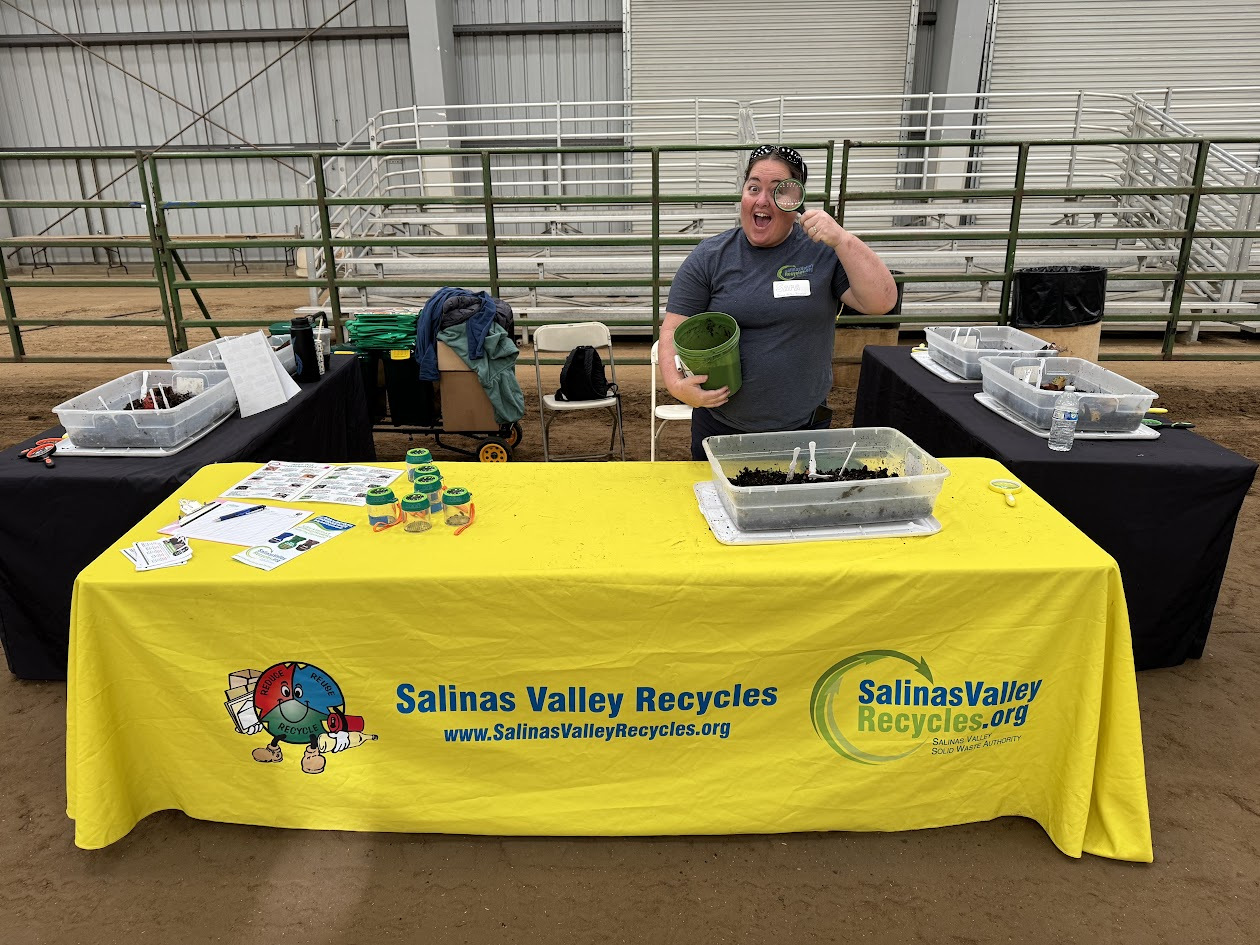
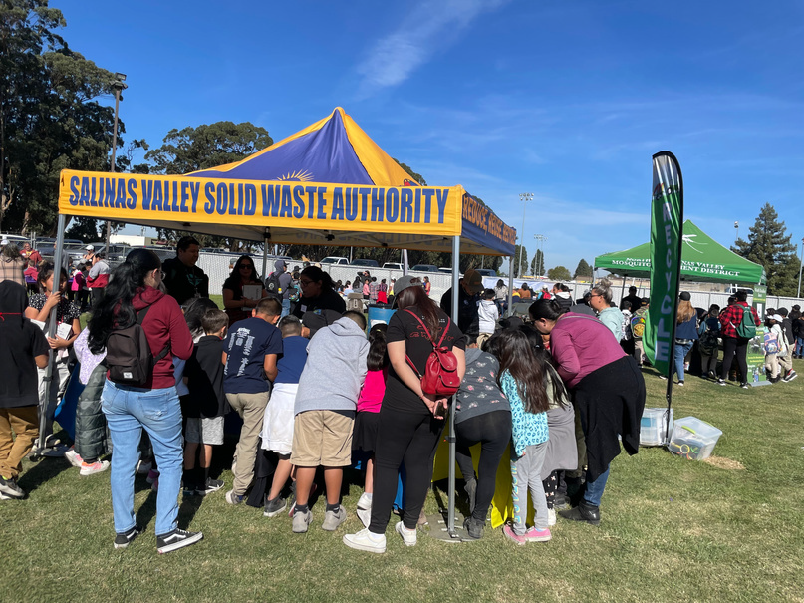
SVR engages the community through diverse outreach efforts, tabled at 38 in-person events in 2023-24.
Recycling
Ensuring recycling mandates are followed, businesses and residents have access to curbside recycling
Special Waste & HHW
SVR maintains a full HHW facility at Madison Lane and ABOP collection at Johnson Canyon and Jolon Road.
Composting
Yard waste and Food Scraps are collected and composted onsite at Johnson Canyon Landfill
Facility Capacity
We’re aiming for a future without landfills by investing in technology to extend landfill life for decades.
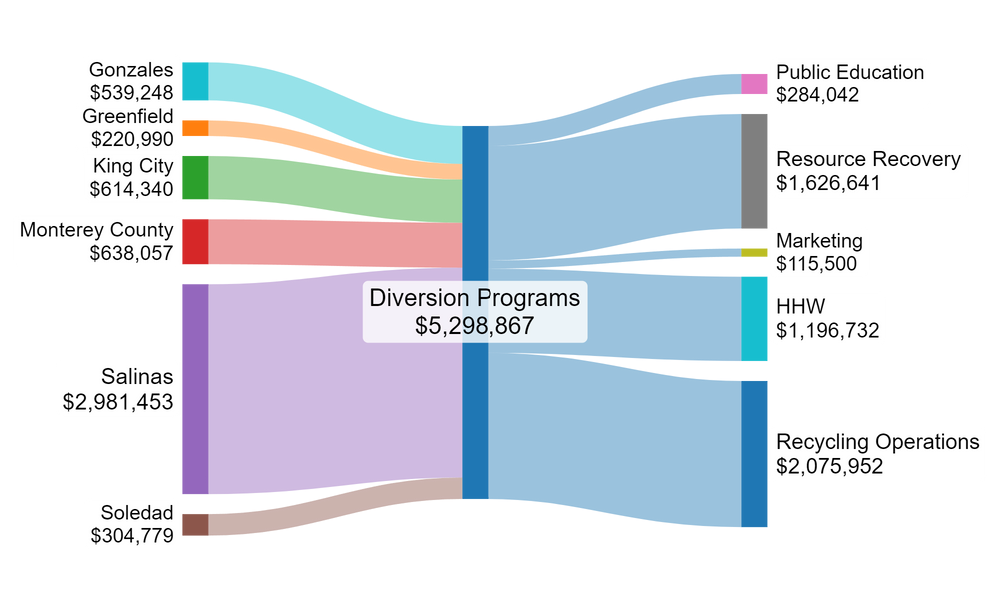
For the first time in 2024-25, AB 939 (fixed, non-landfill diversion related programs) will be funded without subsidy from more volatile landfill disposal tipping fees.
Estimated AB 939 Fee Allocations
Programs Funded
In FY 2023-24 SVR administered nine (9) active grants, three (3) which closed this fiscal year and six (6) that are still in progress. These grants help reduce landfill waste in our communities.
SB1383 LAGP Grants ($277K)
This grant supports the state mandate to reduce landfill waste by enhancing edible food recovery and organic waste recycling. It funds local organizations to expand their efforts, benefiting communities. Additionally, it helps member cities obtain compost or mulch from recycled organics, promoting healthy soil and completing the cycle of sustainability in our communities.
Tire Amnesty Grants ($39K)
Through grant funding, SVR offers free tire disposal at all three facilities, recycling 25,783 tires with the 21-22 grant and 8,571 more through the 22-23 grant by June 30, 2024.
HHW Grant ($40K)
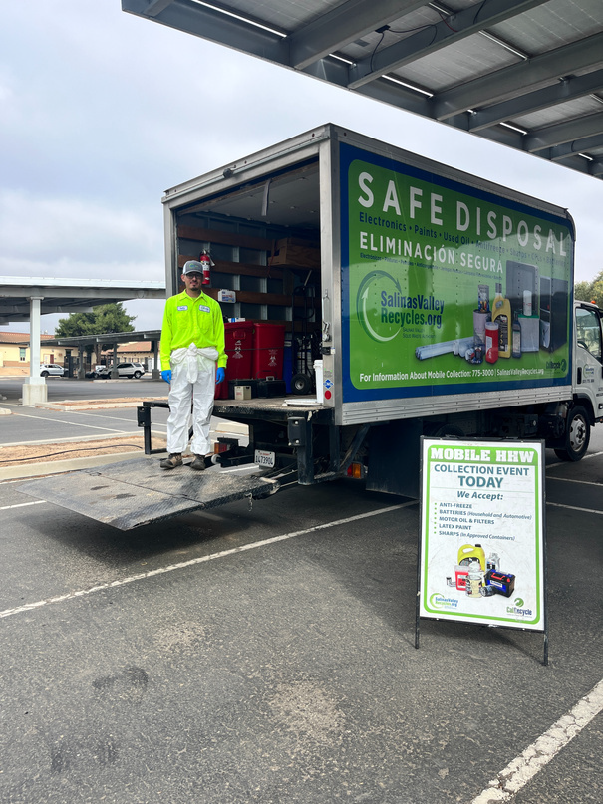
SVR partnered with Clean Earth Environmental Solutions to host one-day mobile household hazardous waste (HHW) collection events in rural Salinas Valley. These events allow residents to safely dispose of HHW without traveling to Salinas. Two events have been held in Lockwood and King City, with two more planned in King City and North County.
Mattress Collection ($9K)
Funds were awarded to enhance safety and efficiency in the mattress recycling program at Johnson Canyon Landfill and Jolon Road Transfer Station, including purchasing a forklift attachment and installing base rock in the loading area.
CRV Recycling CCPP Funds ($20k)
Your CRV funds at work: SVR administers these annual funds for south county cities, purchasing waste and recycling bins and water refill stations for public areas. The funding also supports recycling education and media campaigns like ProtectYourCentralCoast.org and Highway 101 cleanup.
These grants reflect SVR’s ongoing commitment to sustainability and community well-being by reducing landfill waste, promoting recycling, and enhancing public services.
The Resource Recovery team is responsible for creating comprehensive marketing content and takes pride in being an active part in the communities we serve. Through our marketing efforts and partaking in community events, we are able to communicate our message of recycling education directly to those we serve.
Social Media
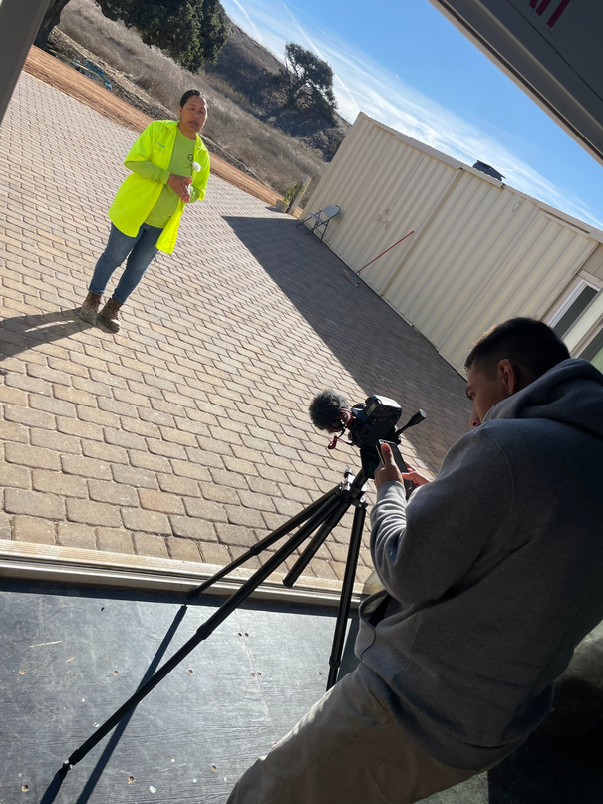
Through platforms such as X, Facebook, Instagram, LinkedIn, YouTube, and NextDoor, we’ve curated educational and agency awareness content that has generated hundreds of thousands of views, interactions, and impressions. We hired our videographer to create short reels, that effectively portray our messages to today’s audiences.
E-Newsletter
Our monthly E-Newsletter is sent to over 750 contacts (and counting) with a 46% open rate, which is 6% higher than industry average. We post our E-Newsletter to our website’s homepage for increased access to our waste tips and upcoming events.
Community Events
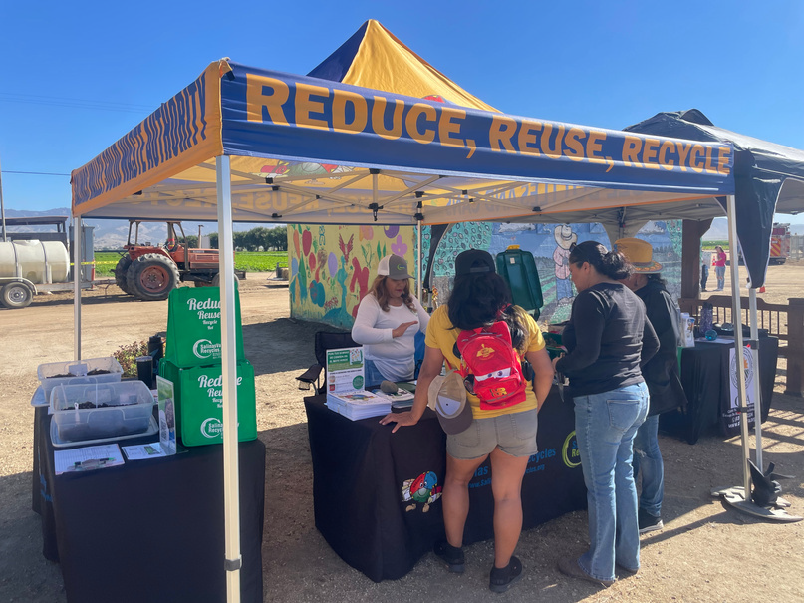
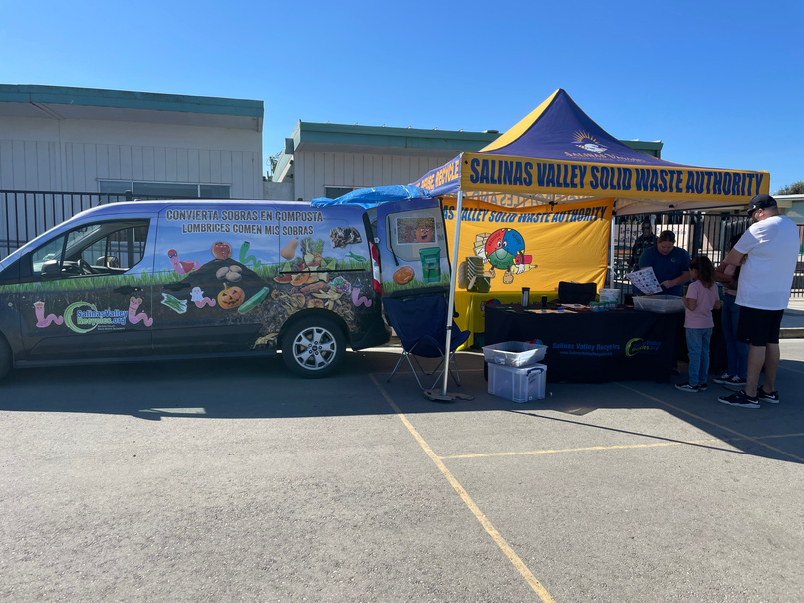
SVR attended 38 community events engaging with thousands of Salinas Valley residents. We participated in numerous resource fairs and ten (10) hauler drop-off events with our mobile HHW truck. This year’s annual Trashion show featured an anti-contamination theme in our organics stream.
SVR is actively engaged in events and collaborates with non-profit organizations and businesses to help reduce waste to landfill through reduction, diversion, and recycling.
Business Outreach
Resource Recovery in Action:
- On the Move: 688 site visits and 222 office contacts with local businesses!
- Helping Hands: Starter kits for food scrap collections with bins, bags, pails, brochures, and training.
- Delivered: 279 food scrap bins and 241 recycling bins for better sorting!
Commercial
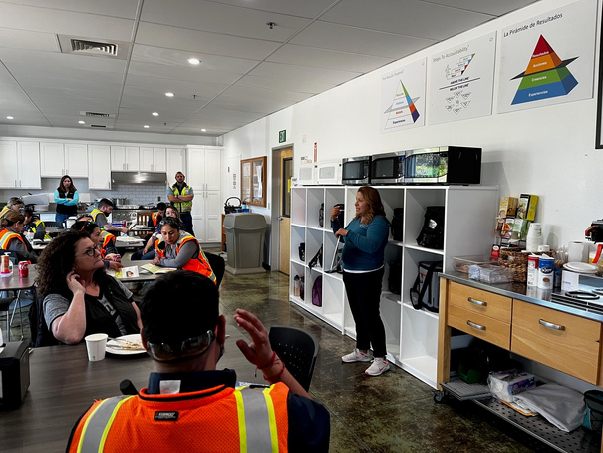
- Commercial businesses receive help analyzing their waste stream to reduce landfill tonnage.
- Large packing houses and agriculture businesses receive training on the depackager program to divert packaged produce from landfills.
Location of Outreach
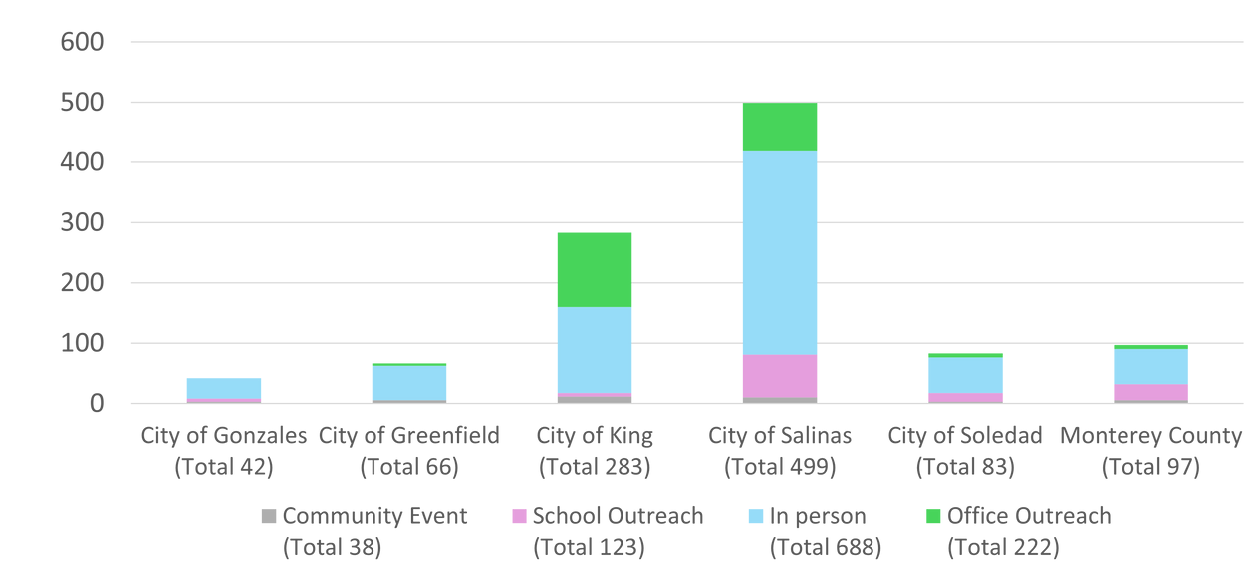
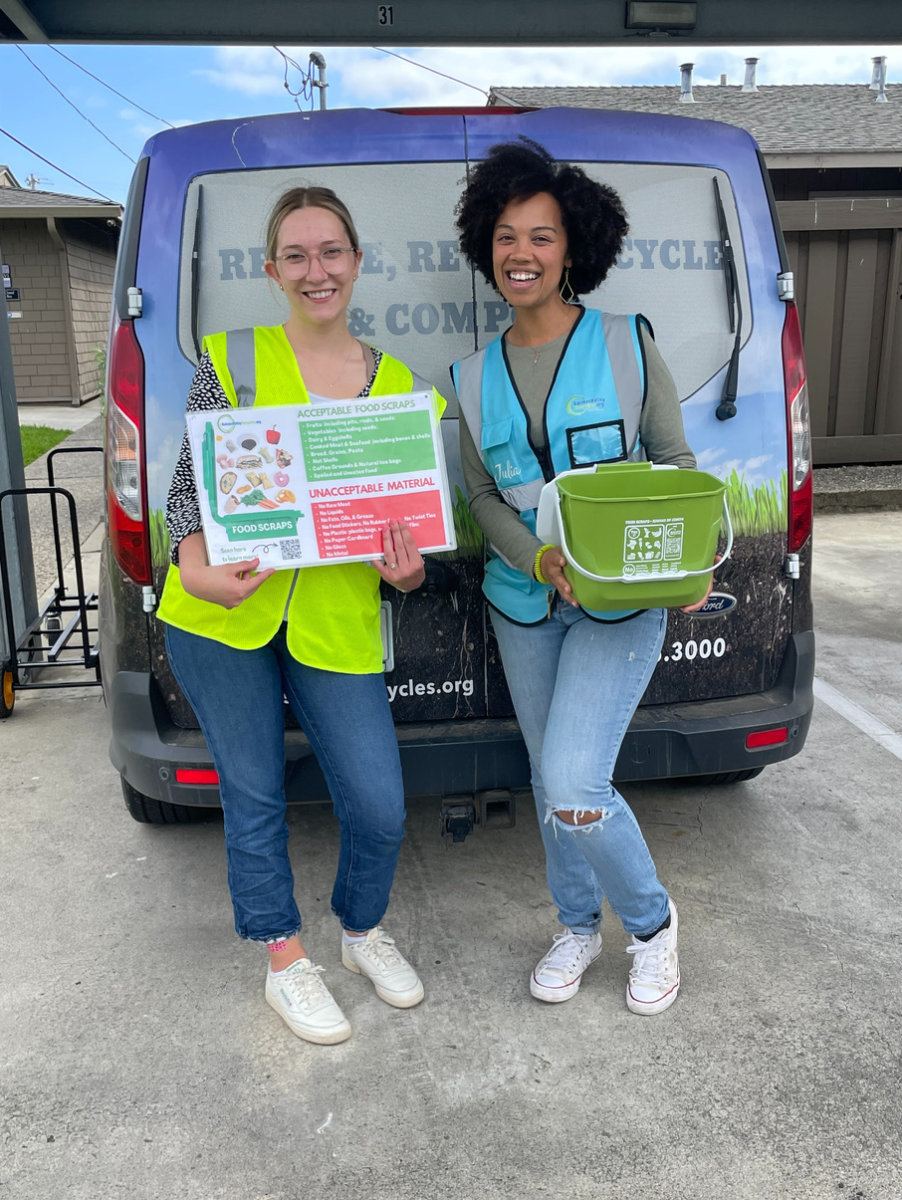

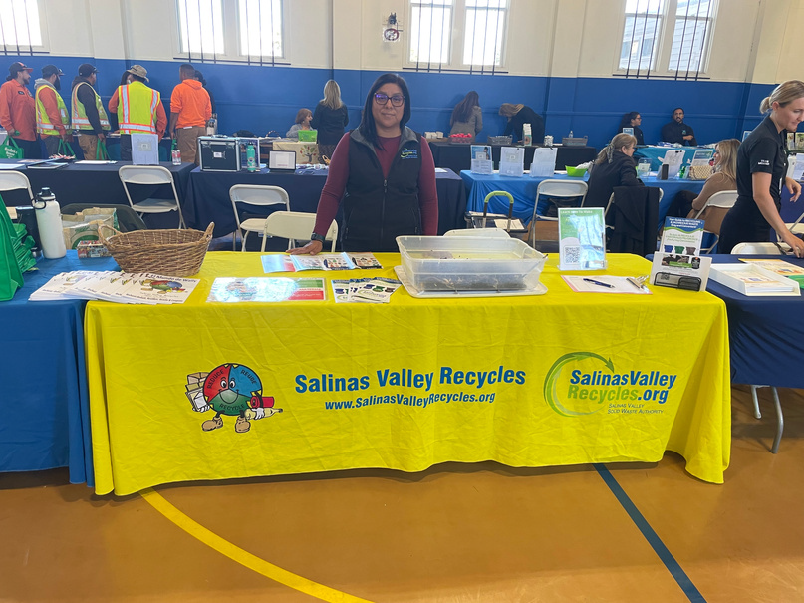
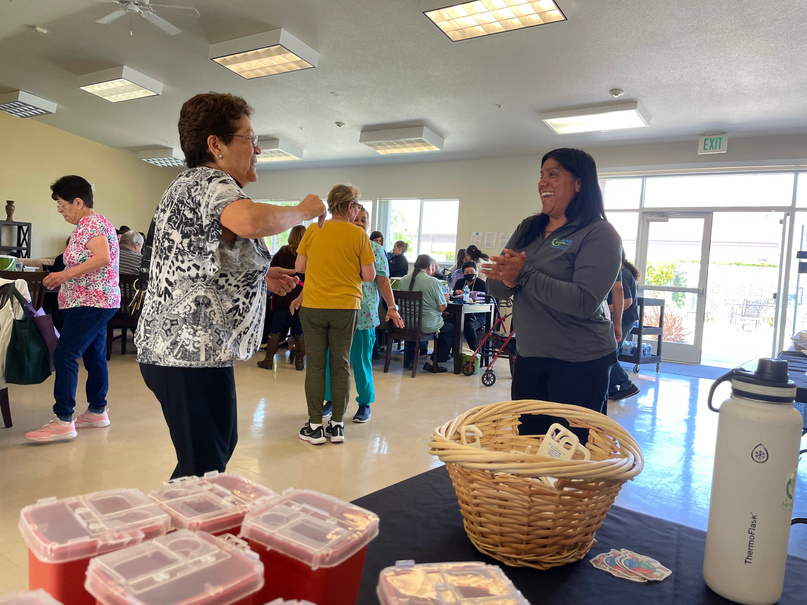
Multifamily properties are a unique category for outreach outside of commercial properties and schools. Some properties have a manager onsite, while others do not have one at all. Each property requires a custom approach to disseminating information to residents, and our Resource Recovery team works with property managers and owners to ensure a successful diversion program for their complex.
Site Visits
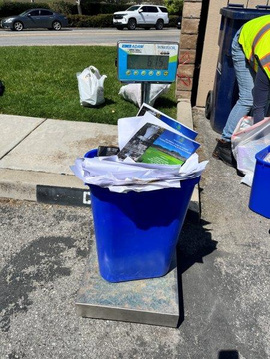
Along with phone calls and emails to property managers and owners, the Resource Recovery team visited 329 properties across Salinas Valley for a visual assessment of their waste and compliance.
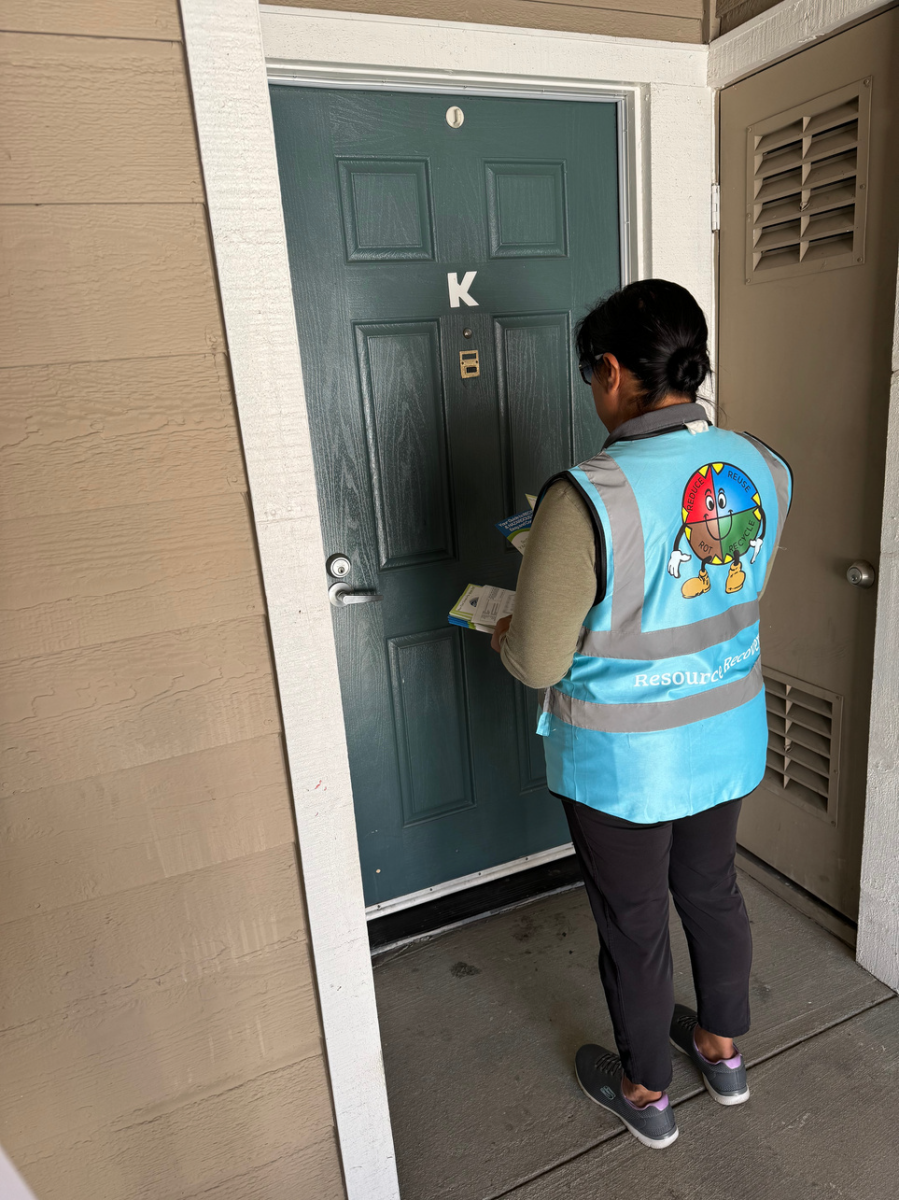
Door to Door
Resource Recovery team performs door-to-door outreach to meet the residents where they are. This type of outreach is resource intensive yet proven to be the most effective.
Sharing Assets
We bring our resources, such as brochures, kitchen pails, labels and posters. This year, we’ve printed a new door-hanger to include in our outreach for the residents who were unavailable.
These outreach efforts to multifamily properties have seen great success in contamination reduction when conducting follow-up assessments.
The success is also made possible with the collaboration of our waste haulers that also serve the jurisdictions.
Youth Council
- Established 2024: 7 members from schools in Salinas, Gonzales, and King City
- Goals:
- Amplify youth voices
- Organize service projects
- Promote on-campus environmental learning
- Grow as environmental and political leaders
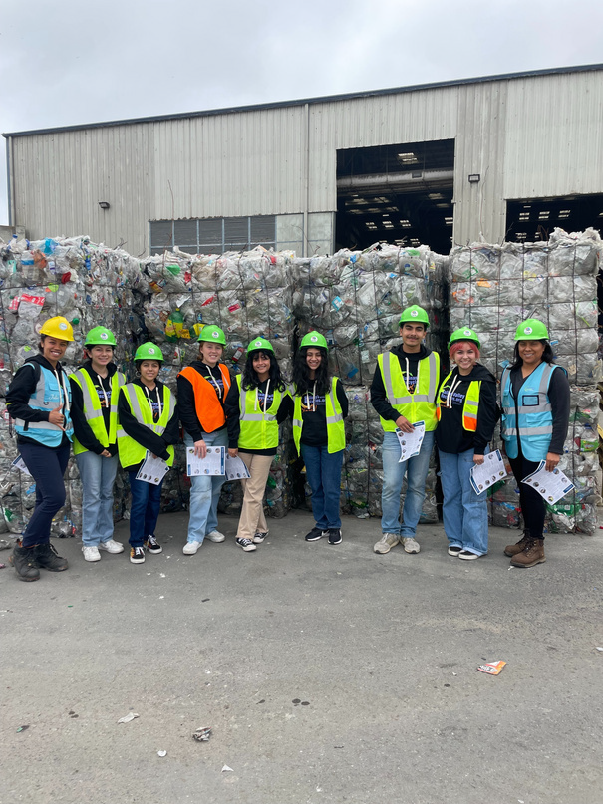
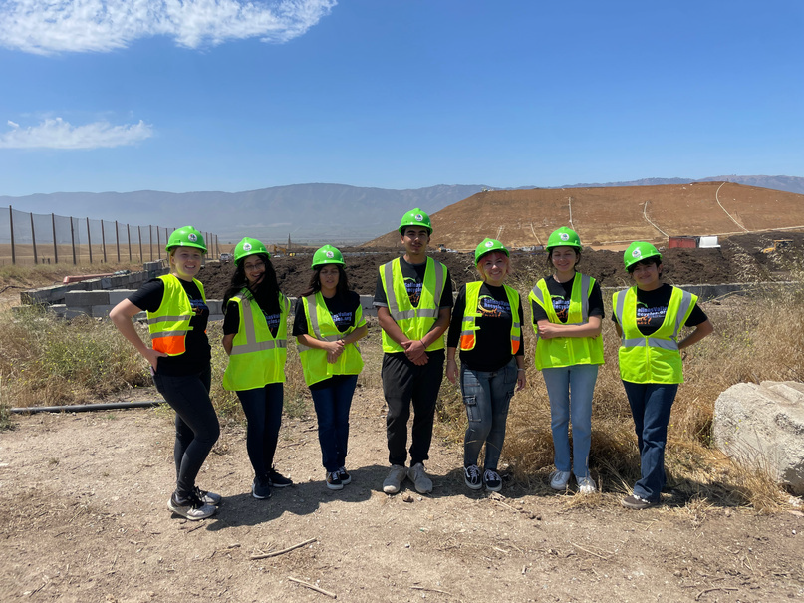
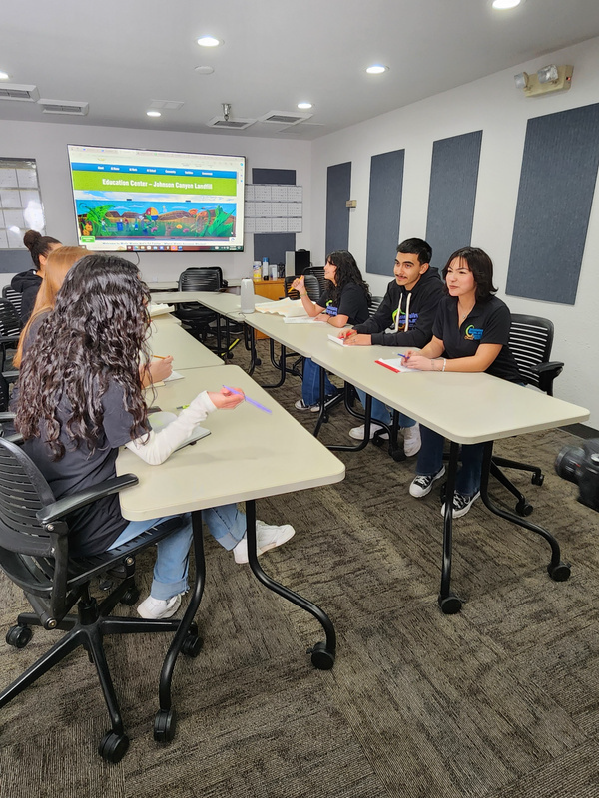
- Kick-off: Three-day training on waste and recycling with industry pros, facility tours, and brainstorming.
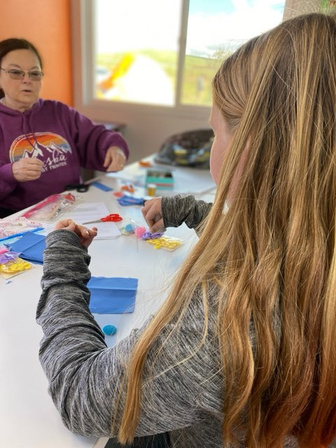
- Major Project: Hosted a Sustainability Fair at Johnson Canyon Landfill Education Center
- Planned activities
- Recruited volunteers
- Found sponsors
- Created ads
- Managed event setup and cleanup
- Additional Activities:
- Made educational videos with a pro-videographer
- Spoke to the Salinas Valley Recycles Board of Directors
- Presented to South County Youth Councils and an Environmental Camp in Salinas
Schools
- Goals:
- Teach the 5 R’s: Refuse, Reduce, Reuse, Recycle, Rot
- Push for a landfill-free future
- Collaboration:
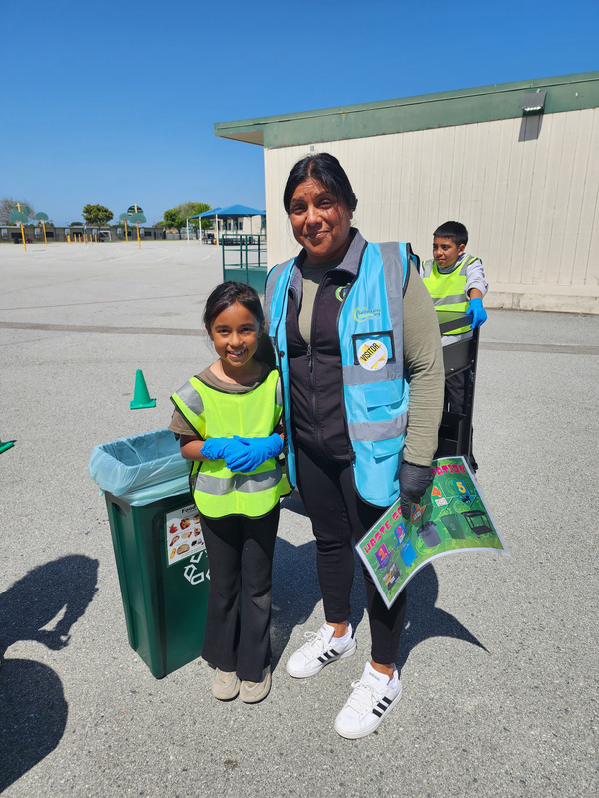
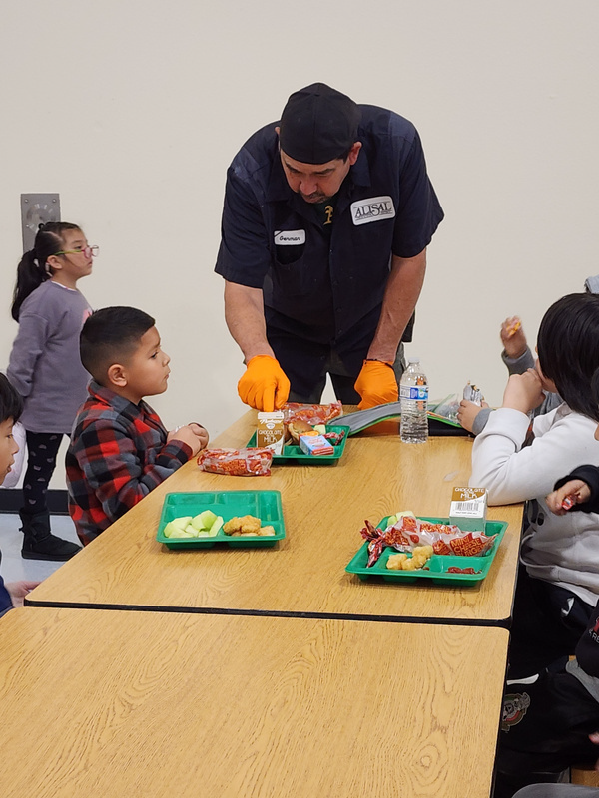
- Partnered with schools to roll out food scrap recycling
- Green Team Trainings at 35 schools
- Gave out 13 Wally-Waste Not Green Team Grants ($350 each)
- Presentations:
- Composting and landfill presentations at 12 schools
- Tips for proper recycling and home composting
- Focus on personal impact
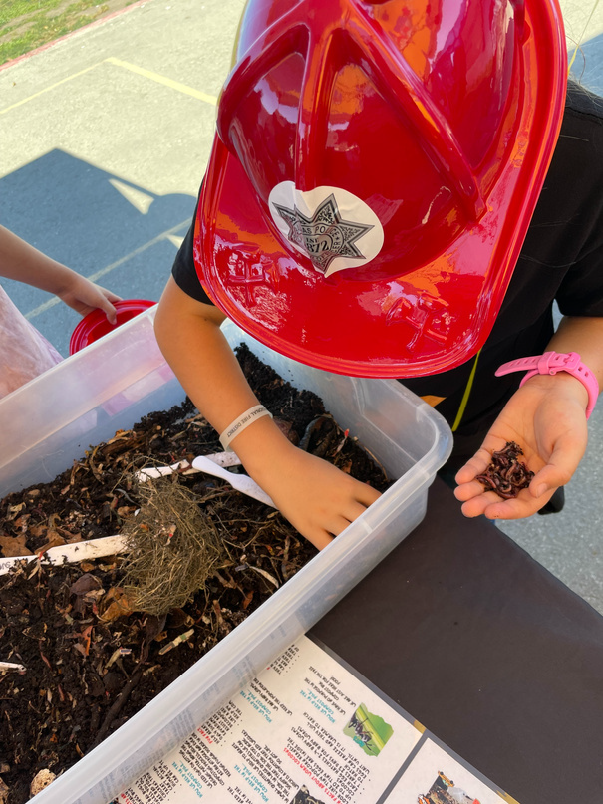
- Fan Favorite: “Meet Our Decomposers”
- Taught composting methods
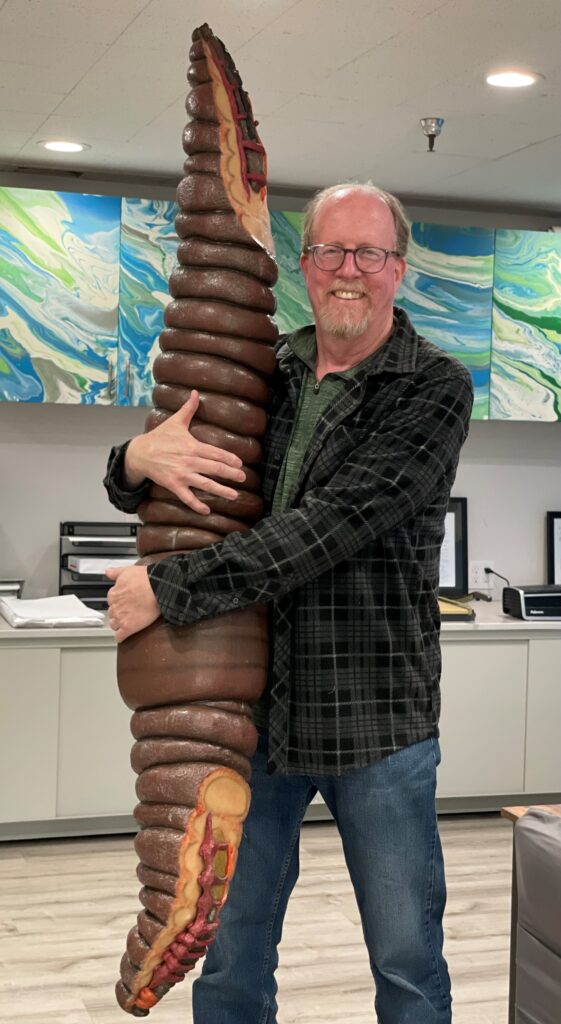
- Showcased vermicomposting heroes
- Hands-on fun with decomposer critters
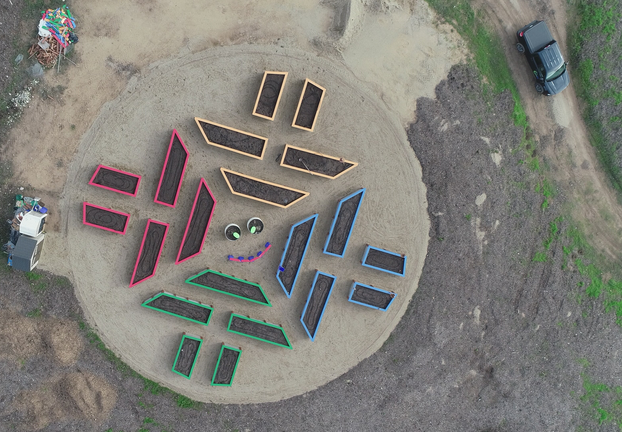
Wally Waste-Not’s Education Center and Garden
Our commitment in creating the Ed Center is to provide a safe and engaging space to educate on the connection between your waste at the landfill, nature, and yourself.
Visitors will leave inspired and empowered to make better choices for a future without the dependency on landfills.
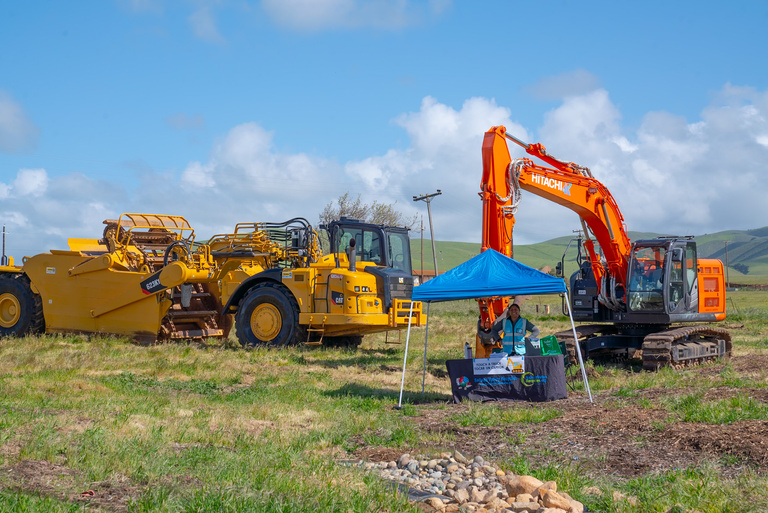
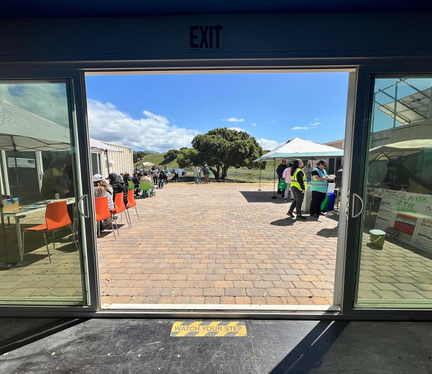
On April 6, SVR staff and its first youth council celebrated the grand opening of the Ed Center and garden in Gonzales with a sustainability fair attended by 129 people, featuring workshops, free food, and live music.
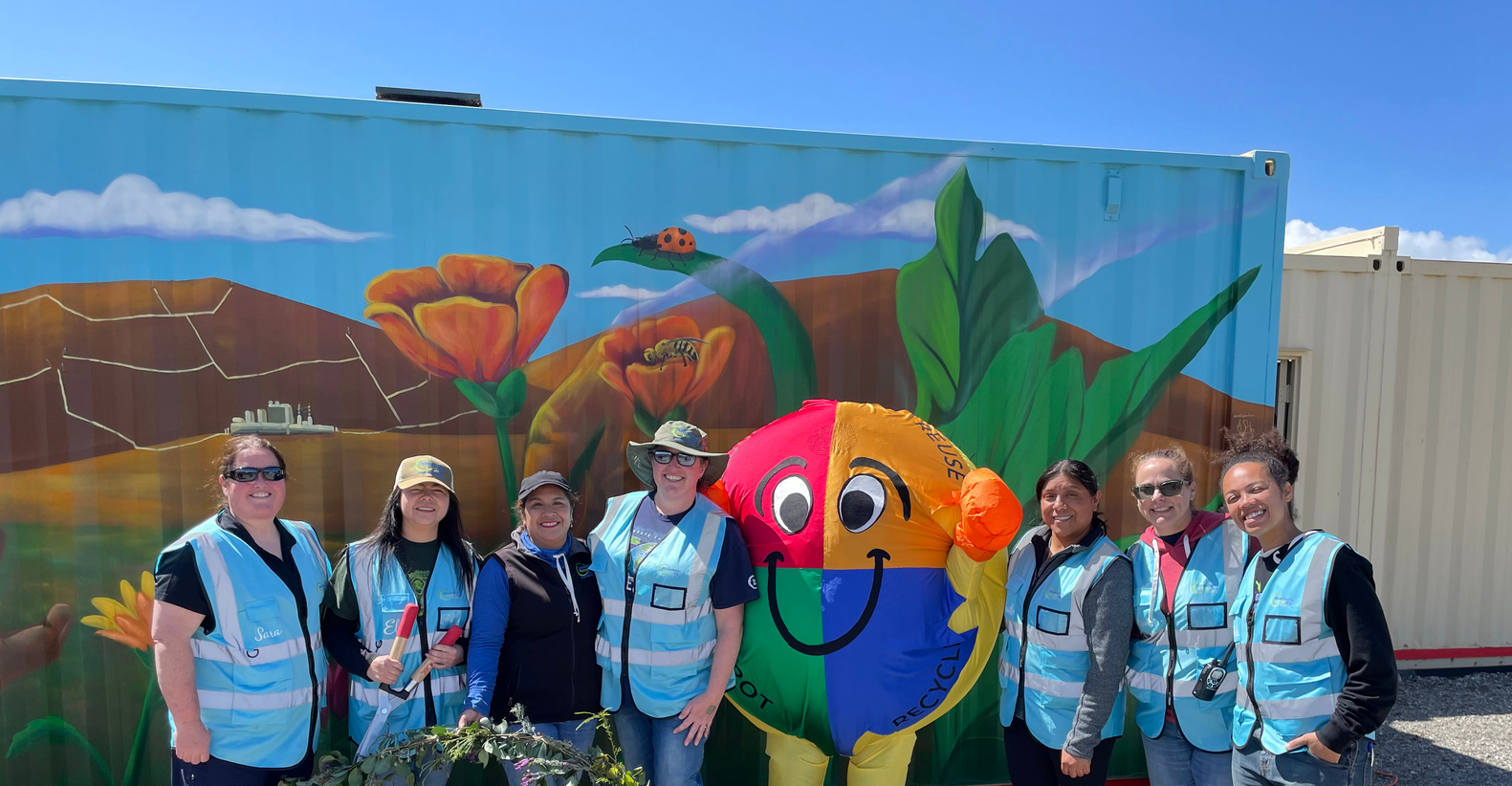
- La Neta Murals painted a beautiful mural depicting a vision of a landfill-free future with an emphasis on recycling, composting, and sustainability.
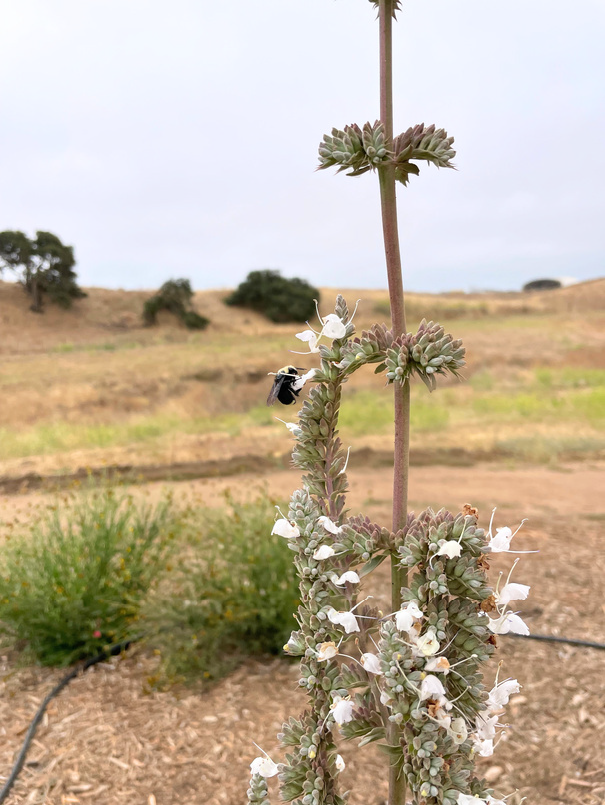
- SVR partnered with the Resource Conservation District of Monterey County to create a pollinator garden with over 60 native plants, enhancing biodiversity and raising awareness of pollinators’ importance.
- The garden used approximately 2cy of compost and 20cy of recycled wood chips, and Wally’s raised beds were filled with 80cy of compost and feature worm bins.
- A road and parking lot made from 600 tons of recycled base rock, an off-grid solar-powered building, new paint and epoxy flooring, a worm bin, and a 3-compartment compost bin made from leftover materials.
Visualizing Impact
By the Numbers: How much did we Recycle?
Mattresses: Laid end to end would be 17 miles long
360 Tons (13,000 Mattress units)
Cardboard: 5 Statues of Liberty
793 Tons of Cardboard (150 Tons/Statue)
Batteries: 18 Grand Pianos
18.080 pounds of household batteries (990 lbs./Piano)
E-Waste: 42 Elephants
283 Tons of e-waste (6.7 Tons/Elephant)
Metal: 12 Houses
2,093 Tons of Metal (172 Tons/House)
Sharps: 3 Polar Bears
3673 LBS. Sharps (1,149 lbs/Polar Bear)
HHW: 4 Blue Whales
494 Tons of HHW (115 Ton/Blue Whale)
Plastic: 89 Honda Civics
132.9 Tons of Plastic (1.5 Ton/Honda Civic)
Carpet: 8 Giraffes
16.2 Tons of Carpet (213 Tons/Giraffe)
Clothing: 3 School Buses
38 Tons of Textiles (20 Tons/Full Bus)
Tires*: 19.5 Cruise Ship Anchors
242 Tons of Tires (12.5 Tons/Anchor
*Free during Amnesty Events
Jolon Road Transfer Station
52654 Jolon Rd, King City, CA, 93930
Mon-Fri: 8am-4pm, Sat: 8am-12pm
(831) 385-0353
FY 23/24 Highlights:
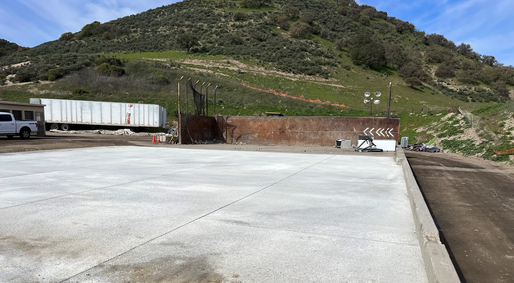
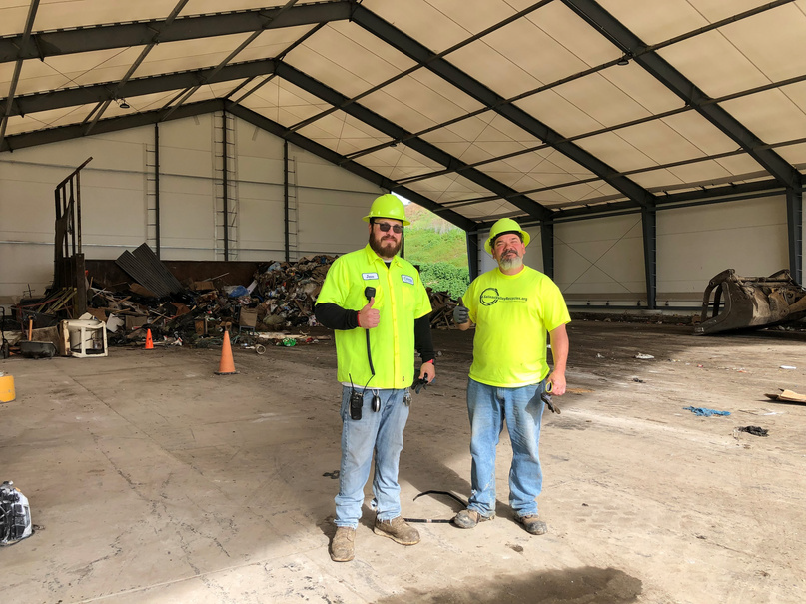
- Capital Boost: $500,000 for a new building and tipping pad upgrade.
- Groundwork Achievements:
- Filled and graded to streamline all diversion activities.
- Helped with pad demolition and prep.
- New Additions:
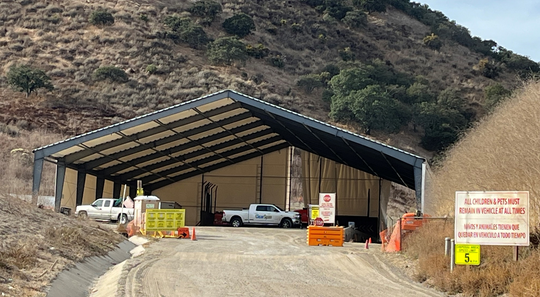
- Clear Span Building: 100’x120’ (12,000 sq ft)
- Tipping Pad: 5,600 sq ft
- Employee Breakroom: 160 sq ft
Johnson Canyon Landfill
31400 Johnson Canyon Rd, Gonzales, CA, 93926
Mon-Fri: 7am-4pm, Sat. & Sun: 8am-4pm
(831) 675-2165
FY 23/24 Major Projects:
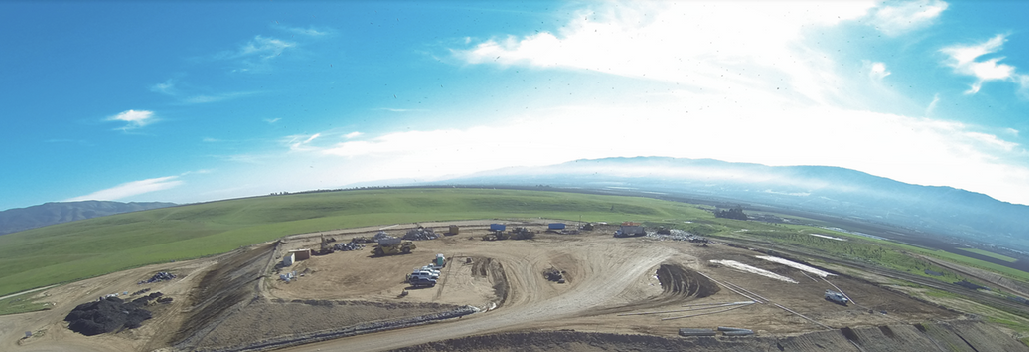
Module 8 Excavation & Rolling Closure:
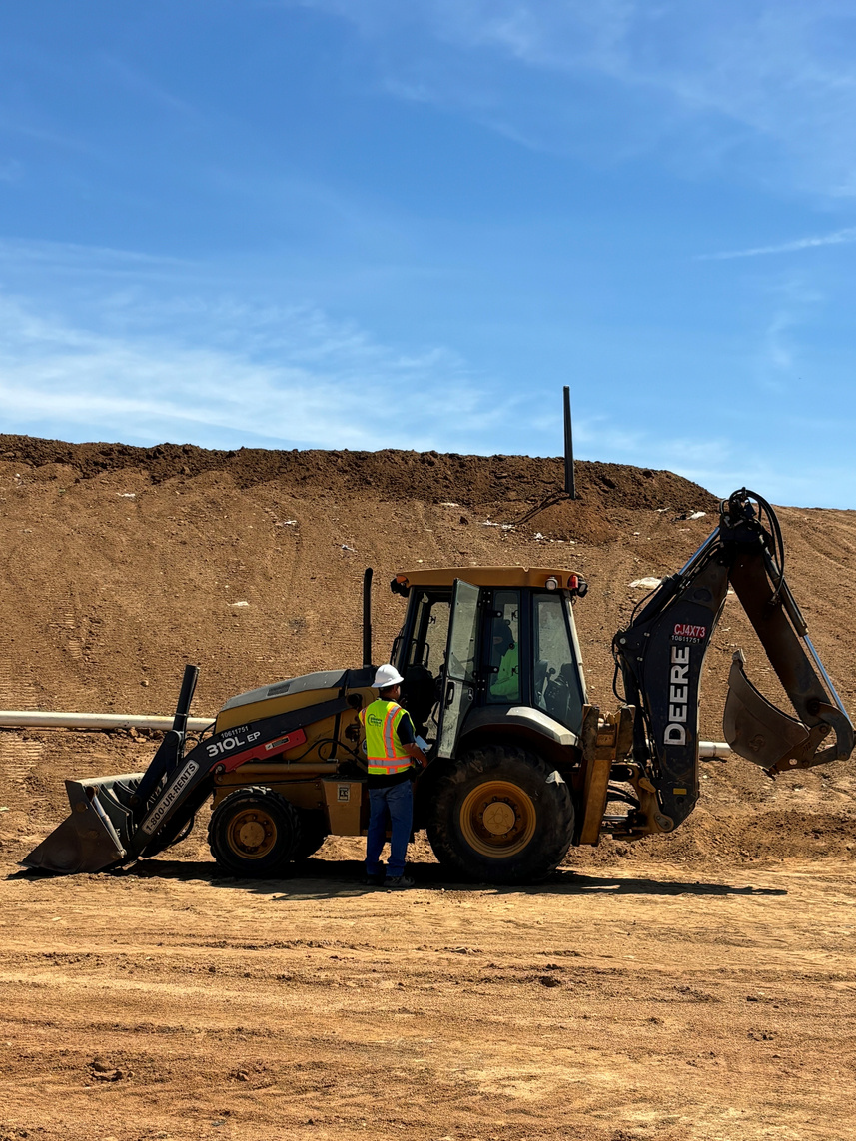
- Solid Waste Techs are digging into the future!
- Board’s Smart Move: Approved new equipment and staff, cutting costs to $1.75/cy (vs. $5/cy in 2019).
- Excavated soil is used on landfill slopes, minimizing closure costs by finishing today, not in 2060.
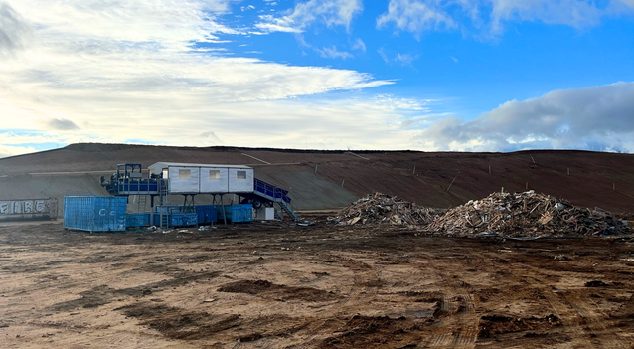
Construction & Demolition Sortline:
- Construction completed and operations have begun.
Household Hazardous Waste
1104 Madison Lane, Salinas, CA 93907
Mon-Fri: 7am-4pm, Sat: 8am-4pm
(831) 424-5520
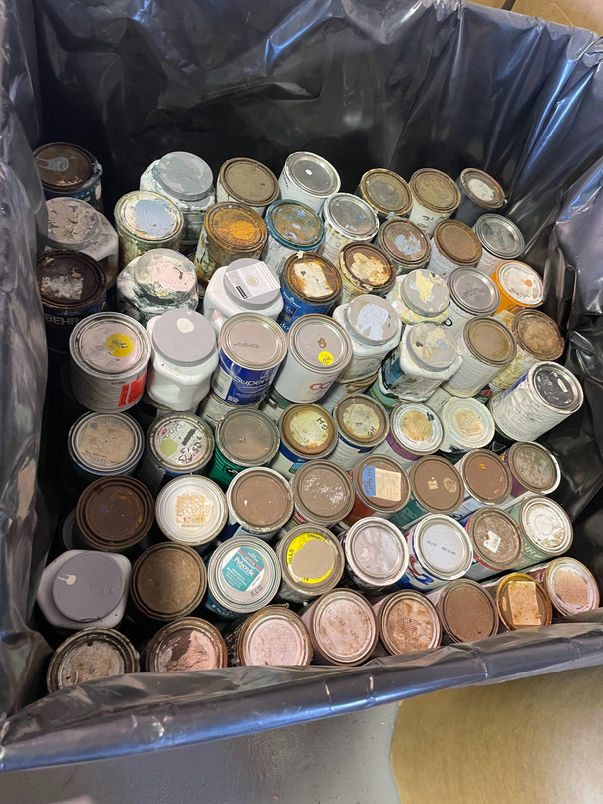
Drop Off Your Hazardous Waste for Free!
- Who? Residents and businesses
- How much?
- Residents: Up to 15 gallons or 125 lbs per month (free).
- Businesses: Up to 25 gallons or 220 lbs per month (fee and appointment required, call 831 424-5520).
- What to bring? Proof of residency (driver’s license or utility bill).
All items are safely reused, recycled, or disposed of according to the law. Let’s keep our community clean and green!

Madison Lane Recycling Center
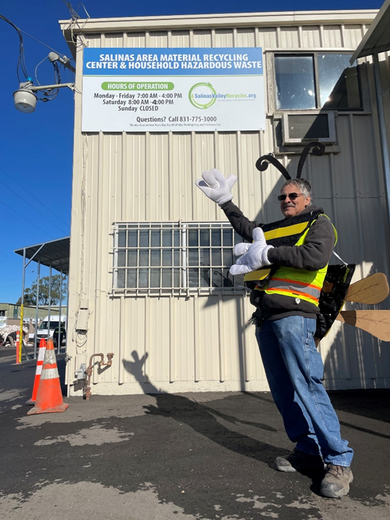
Convenient recycling center outside of Salinas.
1104 Madison Lane, Salinas, CA 93907
Mon-Fri: 7am-4pm, Sat: 8am-4pm
(831) 775-3000
Accepted Items at No Charge
- Appliances (stoves, washing machines, water heaters, etc.)
- Cardboard
- Carpet and Carpet Padding
- Clothing and Shoes
- Mattresses and Box Springs
- Electronics (computers, TVs, monitors, etc.)
- Recycling (separated): Paper, Plastic, Glass Containers, and Metal Cans
- Scrap Metal
- Rigid Plastics
Closure Project
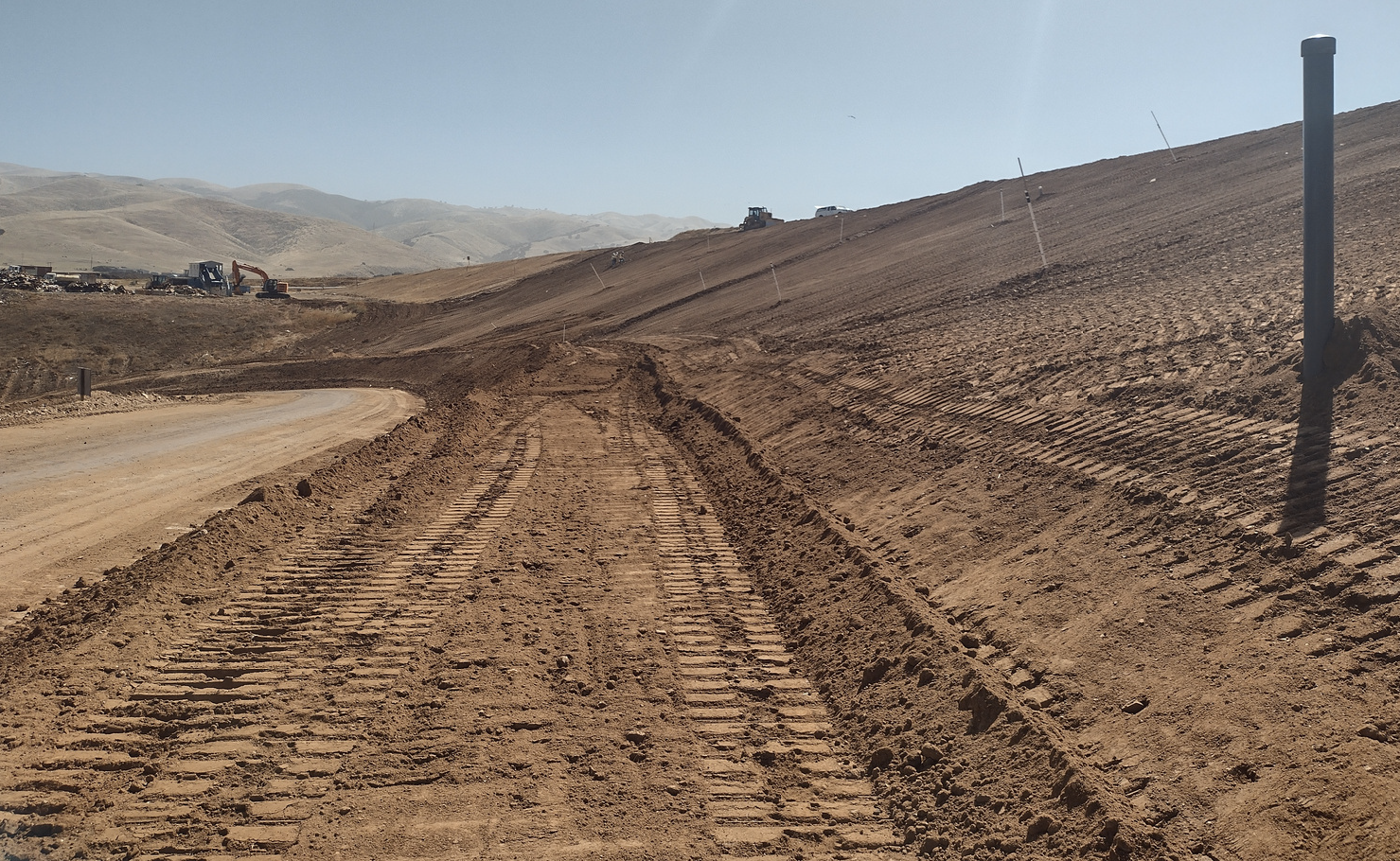
In July of 2021, SVR received approval from the Regional Water Quality Control Boad for an alternative closure design known as an “evapotranspirative cover”. This closure method utilizes existing soil stockpiles on the site as an engineered cover system. This past year SVR staff continued the ongoing closure project.
Flare Rehab
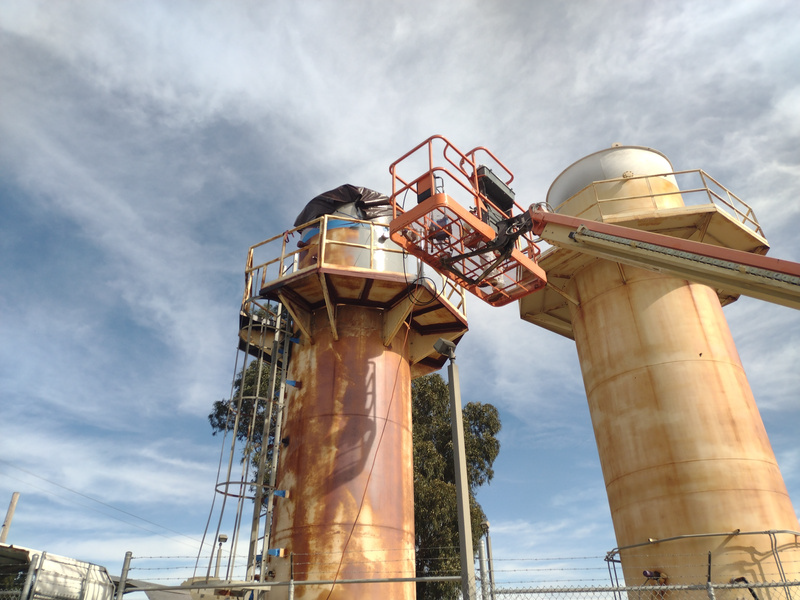
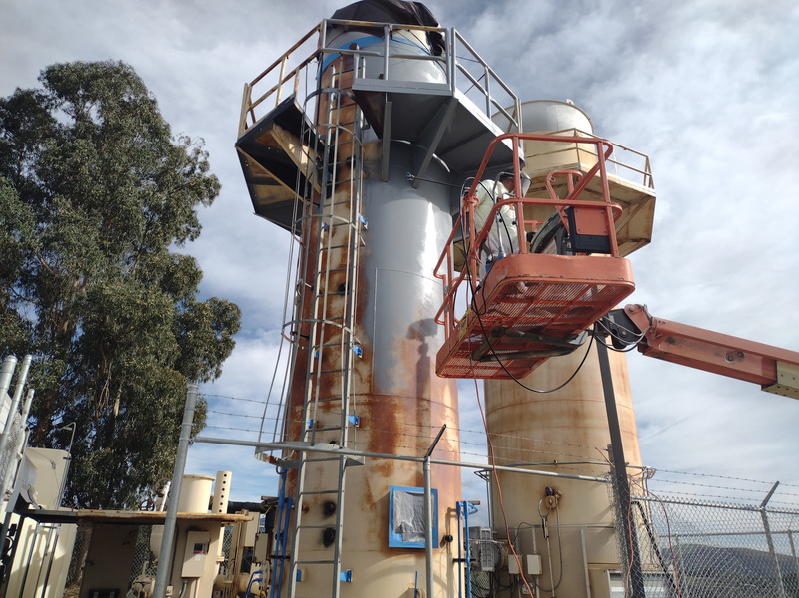
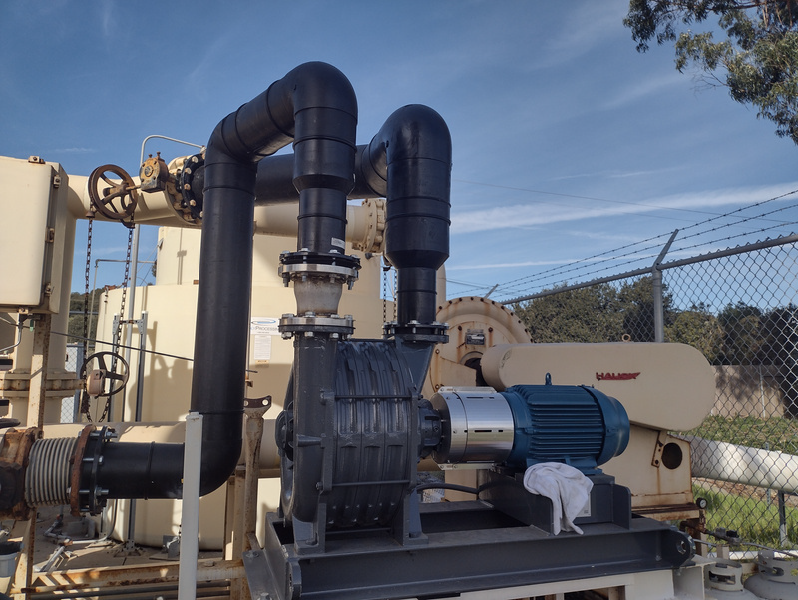
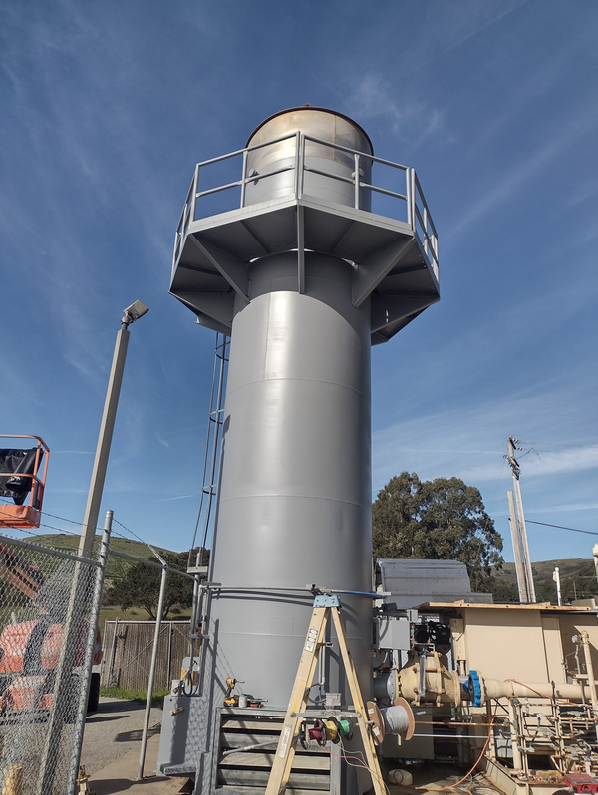
In 1998 a small landfill gas flare was installed at the now closed Crazy Horse Landfill to manage the landfill gas. As the site accepted more organics from ag processing, more gas was being generated from the landfill than the flare could manage. In 2003 a larger flare was installed to manage this extra gas. Fast forward to 2023, the larger flare is now too large since the landfill gas is declining as the site ages. Authority staff rehabilitated the original small flare and placed it back into service.
SVR has followed its strategic path of financial sustainability for over 12 years by focusing on reducing or eliminating debt and liabilities, and importantly, saving-as-we-go for future capital and public infrastructure investment. Over the next several years the fiscal discipline of SVRs Board of Directors will culminate in construction of many new public service facility improvement projects, all paid for with accrued savings and No Debt!
Johnson Canyon Landfill Module 8 Construction
Landfills are built in sections or “Modules”. As one module is filled up the next one is constructed. SVR Board policy has been to set aside $5.00 for every ton of waste landfilled to fund the construction of the next module. The next module is No. 8 and is scheduled to start construction in 2026 and should be fully funded by the time work begins.
Jolon Road Transfer Station Road Rehabilitation
This project is on schedule for early 2025 construction and includes full replacement of the original road leading to the entrance of the facility and scalehouse, as well as new asphalt for the current dirt access road to the newly built transfer station and staff offices.
Johnson Canyon Entrance Relocation
Due to a dramatic increase in the use of this site for self-hauling customers and demand for SVR recycling services, a new entrance is proposed at the west end of the facility to allow for 1) an expanded public materials recovery center (MRC) for recycling collection and processing, 2) more off-street space for vehicle cueing off Johnson Canyon Road; and 3) a new scalehouse facility and truck scales to improve movement of customers and garbage collection vehicles in and out of the site.
Crazy Horse Transfer Station and MRC
Due to the high demand for SVR’s low-cost services in north Monterey County and to assist with the reduction of illegal dumping in this region, SVRs Board has decided to pursue construction of a new transfer station and public MRC on the site of SVRs old Crazy Horse Landfill. This area is SVRs second-largest service region, behind the City of Salinas, and will greatly benefit from having this facility centralized in north county to conveniently serve its residents.
On behalf of everyone at Salinas Valley Recycles, we extend our deepest gratitude to our Board of Directors and our valued customers. Your unwavering support and dedication to our mission of sustainable waste management has been vital to our continued growth and success. Together, we have made significant strides toward transforming waste into a resource, promoting environmental stewardship, and building a future without landfills.
Thank you for being an integral part of our journey. We look forward to achieving even greater milestones together in the years to come.