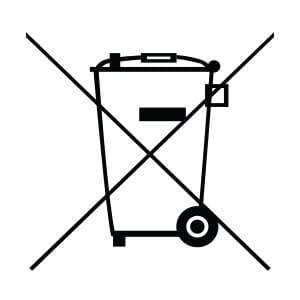
No Trash Symbol?
Here’s What to Do
Here’s What to Do
Have you ever purchased something marked with a “No Trash” symbol and wondered, “Okay…so where does it go?”
That symbol means don’t put the item in your trash or recycling cart. It may contain batteries, mercury, pesticides, or other materials that require special handling. These products are often called Universal Waste.
What items are considered Universal Waste?
Common examples include:
- Household batteries, including AA, AAA, C, D and 9V batteries
- Lithium-ion and rechargeable batteries
- Automotive and marine batteries
- Fluorescent and other specialty light bulbs
- Mercury thermometers and thermostats
- Pesticides
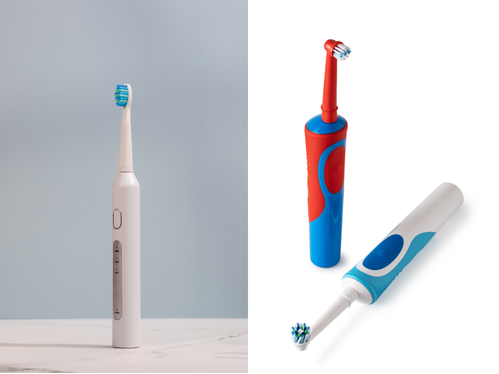
- Electronics and other products containing batteries
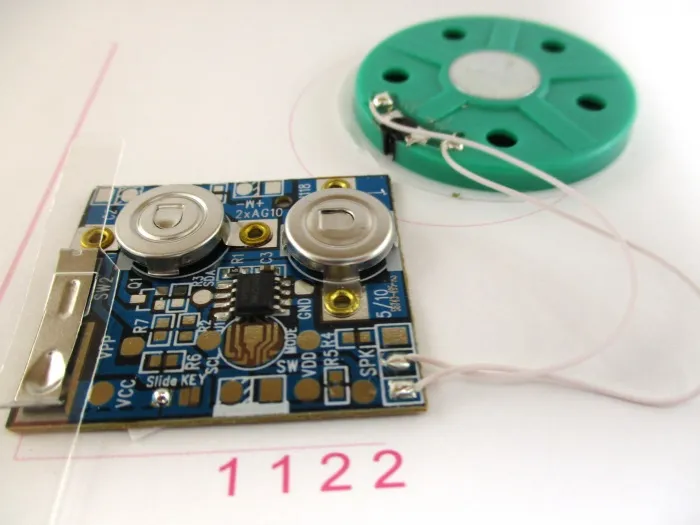
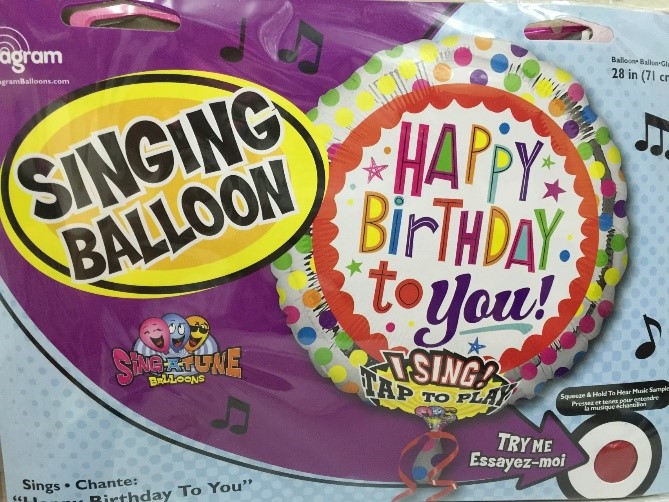
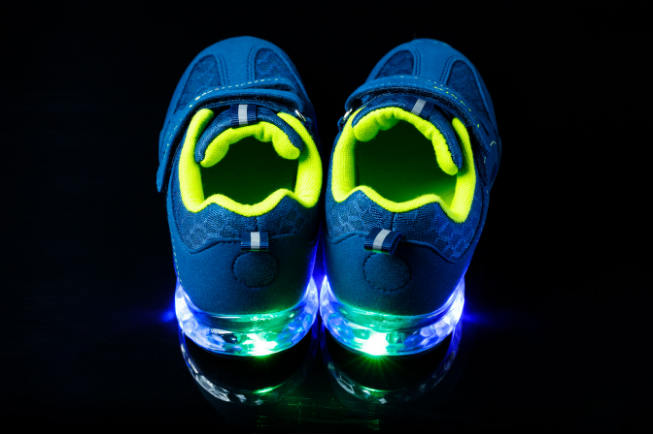
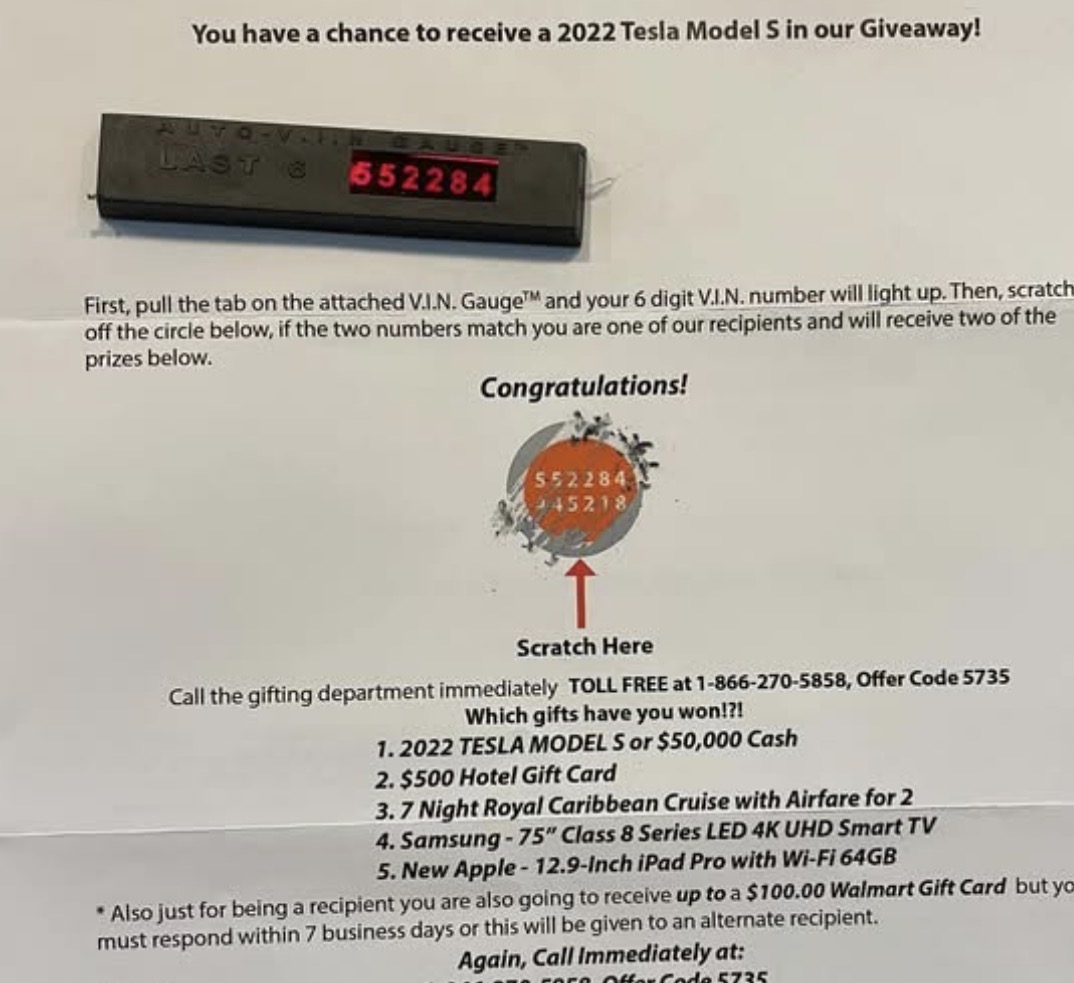
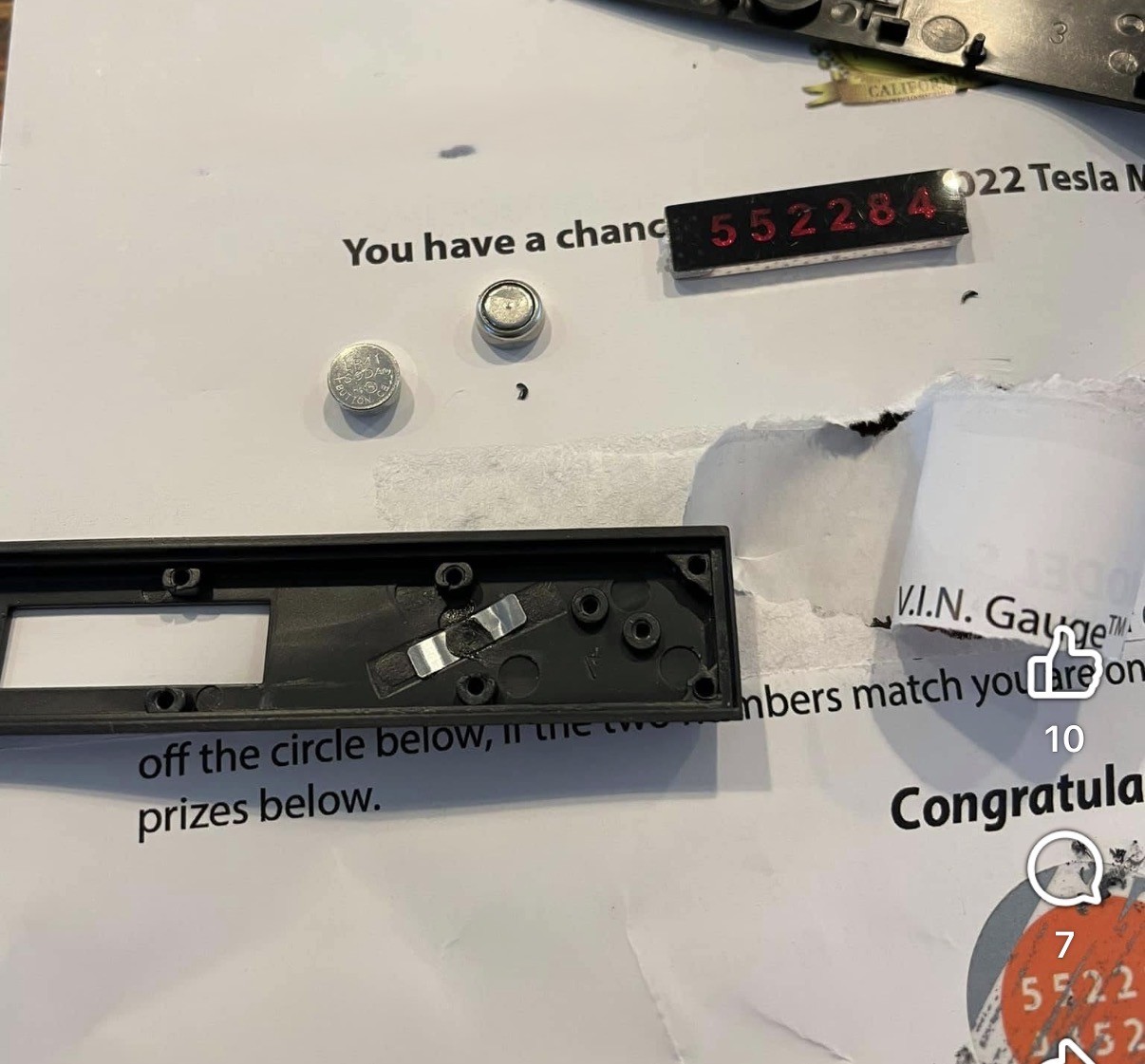
Look out for hidden batteries, too. Rechargeable and “disposable” electronics can contain batteries that may cause fires if they end up in your trash or recycling. Examples include light-up shoes, singing or light-up greeting cards, and singing balloons.
Why can’t these items go in the trash or recycling?
Batteries can cause fires when their terminals come into contact with metal or other materials. Even common AA, AAA and 9V batteries can create enough heat to ignite surrounding materials under the right conditions.
Lithium-ion batteries are especially dangerous. When damaged or crushed, they can experience thermal runaway, causing intense fires that can be difficult to extinguish and may reignite.
Other universal waste can also be hazardous. For example, mercury is a toxic substance, and some pesticides can harm people, pets and the environment if they are improperly disposed of.
What should I do with it?
Never put items marked “No Trash” in your trash or recycling cart.
Instead:
- Check the product or packaging for manufacturer take-back instructions.
- Take the item to an appropriate household hazardous waste or battery collection location.
- Return eligible items to a participating retailer that accepts them.
In the Salinas Valley, the Madison Lane Household Hazardous Waste (HHW) Facility, operated by Salinas Valley Recycles, accepts many types of household hazardous waste and batteries.
Not sure where something goes? Check our HHW information and disposal-location guide before putting it in a cart.
Thank you for paying attention!
Proper disposal helps prevent fires, protect workers and waste facilities, and keep hazardous materials out of our community and environment.
When you see “No Trash,” don’t guess—keep it out of the cart and find the right place to take it.
Common Hidden Batteries